
Dr Tara Babu Son
About Me
Dr Tara Babu Son
DO
Ophthalmologist
10 Years Experience
Biography
My Clinic
OPD Hours
| Monday | Morning | 10:00 AM | - | 02:00 PM |
| Evening | 06:00 PM | - | 09:00 PM | |
| Tuesday | Morning | 10:00 AM | - | 02:00 PM |
| Evening | 06:00 PM | - | 09:00 PM | |
| Wednesday | Morning | 10:00 AM | - | 02:00 PM |
| Evening | 06:00 PM | - | 09:00 PM | |
| Thursday | Morning | 10:00 AM | - | 02:00 PM |
| Evening | 06:00 PM | - | 09:00 PM | |
| Friday | Morning | 10:00 AM | - | 02:00 PM |
| Evening | 06:00 PM | - | 09:00 PM | |
| Saturday | Morning | 10:00 AM | - | 02:00 PM |
| Evening | 06:00 PM | - | 09:00 PM | |
| Sunday | Morning | 10:00 AM | - | 02:00 PM |
| Evening | 06:00 PM | - | 09:00 PM |
Treatments
Specialised care and treatments offered
UVEITIS
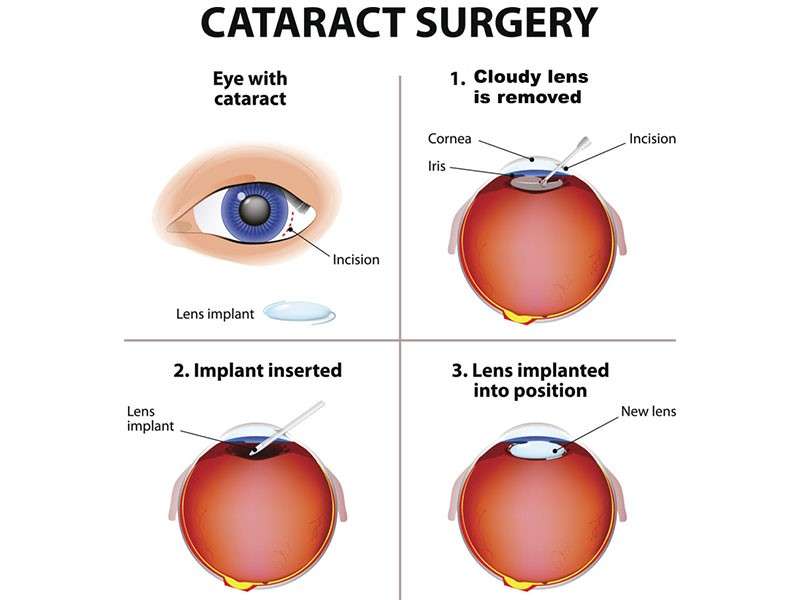
This inflammation targets various parts of the uvea and can occur due to autoimmune diseases or infections. Prompt diagnosis is important as untreated uveitis could lead to complications including glaucoma or cataracts over time
- Signs commonly include red eyes along with pain and blurry vision appearing suddenly without prior warning.
- An ophthalmologist typically conducts a detailed examination inclusive works up systemic conditions that could underlie these inflammatory episodes occurring subsequently thereafter.
- Treatment aims usually involve corticosteroid drops accompanied sometimes oral medications alongside addressing underlying causes diligently noted along check-ups performed as needed throughout recovery process.
- Discussing lifestyle modifications helps mitigate flare-ups while providing educational resources helps enhance patient understanding about living well despite presenting challenges posed by chronic inflamed states experienced frequently here afterwards avoiding recurrences more effectively
Early intervention through appropriate treatments provides favorable outcomes associated positively restoring patient quality life too ensuring better visual health preserved subsequently henceforth thereafter!
CHEMICAL BURNS
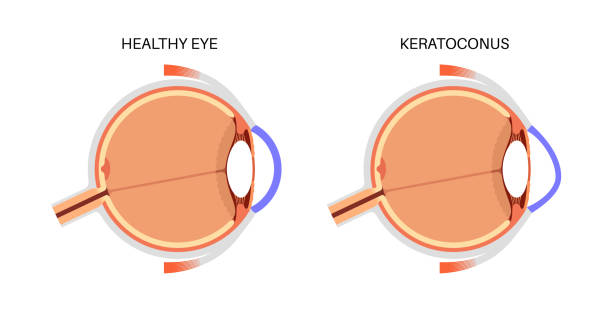
Chemical burns to the eye are emergencies that require immediate medical attention. Exposure can result from various substances including household cleaners or industrial chemicals causing serious damage to ocular tissues.
- Symptoms often present rapidly with redness, severe pain, tearing, and potential visual disturbances post-exposure depending on severity of contact time with chemicals involved.
- An emergency evaluation includes assessing pH levels of the tear film along with overall ocular surface assessment using specialized dyes for full evaluation of damage extent..
- Treatment typically starts with copious irrigation of the eye followed by further medical interventions aiming at repairing any corneal damage incurred during exposure if necessary
- Expect follow-up care to evaluate healing progress over subsequent weeks after initial treatment has been administered properly.
Timely management makes all difference between restoring normal function vs long-term effects stemming from chemical injuries!
DIABETIC RETINOPATHY
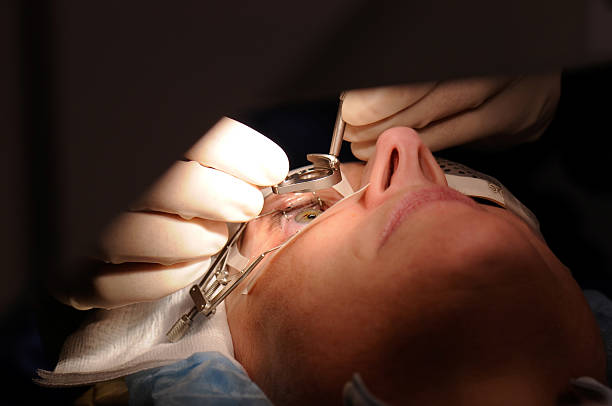
This condition affects individuals with diabetes where damage occurs to the blood vessels in the retina. As it progresses silently, early detection through routine screenings is vital for those at risk.
- The initial stages may show few or no symptoms; however, as it advances, patients might notice blurred vision or dark spots in their visual field.
- An ophthalmologist diagnoses this condition using dilated eye exams along with imaging tests like optical coherence tomography (OCT).
- Treatment options depend on severity but can include laser therapy or injections into the eye to restore retinal health and improve vision outcomes.
- Regular monitoring is important for those with diabetes especially if other complications arise later on.
A proactive approach can significantly reduce the risk of severe vision impairment from diabetic retinopathy!
CORNEAL ABRASIONS
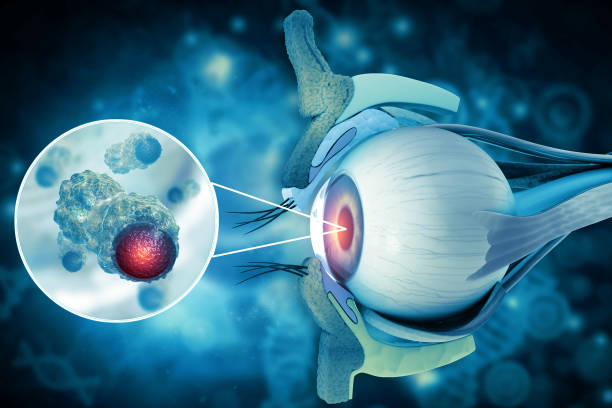
A corneal abrasion is a scratch on the cornea's surface that can lead to pain and discomfort. Common causes include foreign objects or contact lens usage. Symptoms often appear suddenly after injury.
- Patients typically report sharp pain upon blinking and sensitivity to light as primary symptoms.
- Your doctor will perform an eye exam using fluorescein dye to visualize abrasions more clearly under blue light.
- Treatment commonly involves antibiotic ointments or drops to prevent infection while the cornea heals on its own over days to weeks.
- Managing discomfort with lubricating drops or oral pain relief may also be recommended during recovery.
If you suspect a scratch on your cornea, timely medical attention helps prevent complications such as infections or scarring of the cornea.
ACUTE GLAUCOMA
Acute glaucoma occurs when there is a sudden increase in intraocular pressure, which can be very painful and requires immediate care. It may manifest with severe headache, blurred vision, and nausea.
- Common symptoms include intense eye pain, seeing halos around lights, and redness in the eye.
- A thorough examination will reveal elevated eye pressure and possible damage to the optic nerve.
- Treatment typically involves medications to lower eye pressure quickly; surgical options may be necessary for long-term management.
- If not addressed promptly, acute glaucoma can lead to irreversible vision loss within hours.
Early recognition and prompt treatment are essential to preserving your eyesight in this emergency situation.
RETINAL DETACHMENT
Retinal detachment is a serious condition where the retina separates from its underlying layer. This can lead to permanent vision loss if not treated promptly. Early signs include sudden flashes of light, floaters, or a shadow over your vision.
- Symptoms may include sudden changes in vision and the perception of floating spots or flashes.
- The condition is diagnosed through a comprehensive eye examination, often including retinal imaging techniques.
- Treatment options vary by severity but may include laser therapy, cryotherapy, or surgery to reattach the retina.
- Post-treatment care involves regular follow-ups and monitoring vision changes to ensure effectiveness.
- Understanding risks and recovery time is crucial for managing expectations after treatment.
Prompt intervention is key in retaining your sight, so seek help immediately if you experience any symptoms.