
Dr Tara Chand Gup
About Me
Dr Tara Chand Gup
MD
Oncologist
10 Years Experience
Biography
My Clinic
OPD Hours
| Monday | Morning | 10:00 AM | - | 02:00 PM |
| Evening | 06:00 PM | - | 09:00 PM | |
| Tuesday | Morning | 10:00 AM | - | 02:00 PM |
| Evening | 06:00 PM | - | 09:00 PM | |
| Wednesday | Morning | 10:00 AM | - | 02:00 PM |
| Evening | 06:00 PM | - | 09:00 PM | |
| Thursday | Morning | 10:00 AM | - | 02:00 PM |
| Evening | 06:00 PM | - | 09:00 PM | |
| Friday | Morning | 10:00 AM | - | 02:00 PM |
| Evening | 06:00 PM | - | 09:00 PM | |
| Saturday | Morning | 10:00 AM | - | 02:00 PM |
| Evening | 06:00 PM | - | 09:00 PM | |
| Sunday | Morning | 10:00 AM | - | 02:00 PM |
| Evening | 06:00 PM | - | 09:00 PM |
Treatments
Specialised care and treatments offered
GENETIC TESTING FOR CANCER SUSCEPTIBILITY
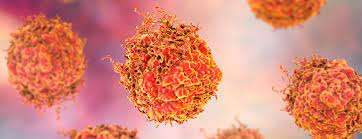
This testing identifies inherited genetic mutations that increase an individual's risk of developing certain cancers. Understanding genetic predisposition supports preventive strategies and targeted treatments.
TUMOR MARKER BLOOD TESTS
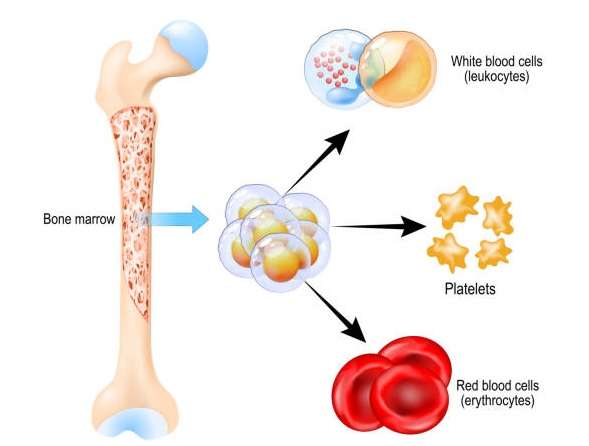
Tumor marker tests analyze specific substances released by cancer cells found in blood samples. They assist clinicians in diagnosis, monitoring progression, and evaluating treatment responses of various cancers.
RADIATION THERAPY PLANNING
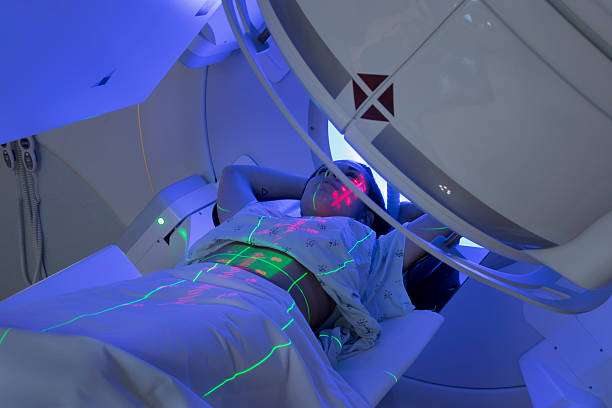
This process involves designing precise radiation delivery targeting tumors while sparing healthy surrounding tissue. Proper planning optimizes effectiveness and minimizes side effects during cancer treatment.
- Imaging integration: Uses CT/MRI scans to map tumor location accurately before treatment begins.
- Dose calculation: Determines optimal radiation dose tailored per patient's tumor size and sensitivity to radiation.
- Treatment simulation: Mimics patient positioning ensuring reproducibility during each therapy session over multiple weeks.
- Mold fabrication: Custom immobilization devices may be used for consistent targeting during therapy application.
CHEMOTHERAPY ADMINISTRATION
Chemotherapy uses powerful drugs to kill rapidly dividing cancer cells throughout the body. It is key in treating various malignancies either alone or alongside surgery and radiation therapy.
- Mechanism: Targets fast-growing tumor cells to inhibit proliferation and induce cell death.
- Delivery methods: Given intravenously, orally, or via injections depending on drug regimen chosen for specific cancers.
- Toxicity considerations: Side effects can include nausea, fatigue, lowered immunity; supportive care reduces complications.
- Treatment cycles: Administered in repeated sessions spaced weeks apart to allow recovery of healthy tissues.
- Efficacy monitoring: Response evaluated through scans and blood tests during treatment course.
Chemotherapy remains a cornerstone in managing many cancers by reducing tumor burden systemically and improving survival outcomes.
PET-CT SCAN IN ONCOLOGY
The PET-CT scan combines metabolic and anatomical imaging to help identify cancerous areas and assess tumor activity. This dual imaging technique enhances the detection and staging of malignancies.
- Use: Detects active cancer cells by measuring glucose metabolism using radioactive tracers.
- Disease staging: Helps evaluate the extent of disease spread within the body for accurate staging.
- Treatment assessment: Monitors response to therapies such as chemotherapy or radiation therapy.
- Procedure details: Non-invasive; involves tracer injection followed by scanning usually lasting 30-60 minutes.
- Limitations: May not distinguish inflammation from cancer, requiring correlation with other tests.
This advanced imaging method provides comprehensive insight critical for effective oncologic management plans.
BIOPSY FOR CANCER DIAGNOSIS
A biopsy is a critical procedure used to confirm the presence of cancer by examining tissue samples under a microscope. It helps distinguish between benign and malignant growths and guides the next steps in treatment.
- Purpose: To obtain a small tissue sample from a suspicious lesion or mass for pathological evaluation.
- Methods: Can be performed using needle biopsy, excisional biopsy, or endoscopic techniques, depending on tumor location.
- Diagnosis: Tissue examined by a pathologist to detect cancer cells and determine tumor type and grade.
- Treatment planning: Results influence decisions regarding surgery, chemotherapy, radiotherapy, or observation.
- Safety: Generally safe, with minor risks like bleeding or infection; performed under local anesthesia or sedation.
This procedure is foundational in confirming cancer diagnoses and tailoring personalized treatment strategies effectively.