
Dr Tarun K Mittal
About Me
Dr Tarun K Mittal
MBBS
Pediatrics
10 Years Experience
Biography
My Clinic
OPD Hours
| Monday | Morning | 10:00 AM | - | 02:00 PM |
| Evening | 06:00 PM | - | 09:00 PM | |
| Tuesday | Morning | 10:00 AM | - | 02:00 PM |
| Evening | 06:00 PM | - | 09:00 PM | |
| Wednesday | Morning | 10:00 AM | - | 02:00 PM |
| Evening | 06:00 PM | - | 09:00 PM | |
| Thursday | Morning | 10:00 AM | - | 02:00 PM |
| Evening | 06:00 PM | - | 09:00 PM | |
| Friday | Morning | 10:00 AM | - | 02:00 PM |
| Evening | 06:00 PM | - | 09:00 PM | |
| Saturday | Morning | 10:00 AM | - | 02:00 PM |
| Evening | 06:00 PM | - | 09:00 PM | |
| Sunday | Morning | 10:00 AM | - | 02:00 PM |
| Evening | 06:00 PM | - | 09:00 PM |
Treatments
Specialised care and treatments offered
ALLERGIC REACTIONS
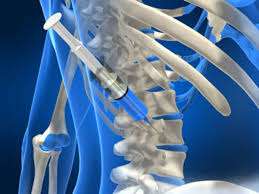
An allergic reaction occurs when the immune system responds strongly to specific substances known as allergens. In pediatrics, this often manifests through food allergies or environmental triggers like pollen or dust mites.
- Symptoms : Reactions vary widely—from mild urticaria (hives) & itching skin rashes all the way up through gastrointestinal complaints including vomiting & abdominal pain in severe settings where anaphylaxis could occur unexpectedly!
- Diagnosis : Evaluation starts with detailed histories regarding exposure followed by skin prick testing & sometimes blood work confirming sensitivities linked directly back toward particular allergens involved creating symptoms noted above occurring thereafter!
DEHYDRATION

Dehydration occurs when there is excessive loss of fluids compared to intake; it’s particularly common in children due to illnesses like diarrhea or fever. Recognizing dehydration early is crucial for effective treatment.
- Symptoms : Main indicators include dry mouth/thirsty appearance, decreased urination frequency (fewer wet diapers), fatigue/irritability in behavior along with light-headedness in serious cases.
- Diagnosis : Assessing hydration status typically involves checking vital signs and evaluating fluid losses through medical history—blood tests may confirm severity level if warranted.
- Treatment : Immediate oral rehydration solutions are key initially; IV fluids might be necessary for moderate-to-severe dehydration when oral intake isn’t possible.
- What To Expect : With rapid intervention—children can bounce back swiftly without long-term effects if hydration restores quickly.
Staying informed about dehydration prevention techniques helps caregivers respond better to similar emergencies surrounding their little ones’ health needs.
CROUP

Croup is characterized by a barking cough resulting from swelling around the vocal cords. It commonly affects young children following upper respiratory infections and often worsens at night.
- Symptoms: Look for signs such as a distinctive cough resembling a seal's bark, stridor (a high-pitched sound during breathing), hoarseness, and possible fever.
- Diagnosis: Diagnosis is typically made based on clinical symptoms; additional imaging isn't usually necessary unless other conditions are suspected.
PNEUMONIA

Pneumonia is an infection that inflames the air sacs in one or both lungs. It can be caused by bacteria, viruses, or fungi and may lead to serious health complications if left untreated.
- Symptoms: Key indicators include cough (which may produce phlegm), fever, chills, difficulty breathing, and fatigue. Symptoms can vary depending on the organism causing it.
- Diagnosis: Diagnosis usually involves a clinical evaluation followed by imaging tests such as chest X-rays or CT scans alongside sputum culture for accurate identification of the causative agent.
- Treatment: Treatment options range from antibiotics for bacterial pneumonia to supportive care for viral types. Hospitalization might be necessary for severe cases requiring oxygen support or intravenous fluids.
- What to Expect: Recovery time varies; most children improve significantly within a week with appropriate intervention but monitoring continues until fully resolved.
Pneumonia requires prompt attention – early detection can mitigate risks and promote quicker recovery in affected children.
ACUTE GASTROENTERITIS

Acute gastroenteritis is an inflammation of the stomach and intestines caused by viral or bacterial infections. It is common among children and can lead to dehydration if not managed promptly.
- Symptoms: The primary signs include vomiting, diarrhea, abdominal cramps, and fever. Dehydration symptoms can be severe in young children.
- Diagnosis: Diagnosis primarily involves a review of symptoms and medical history; laboratory tests may be required in severe cases to identify the pathogen.
- Treatment: Rehydration therapy is critical—oral rehydration solutions are often effective. In some cases, medication to manage nausea may be necessary.
- What to Expect: Most recover within a few days; however, parents should monitor hydration closely during this period.
If treated early and effectively, children typically return to their regular routines swiftly after an episode of gastroenteritis.
ASTHMA

Asthma is a chronic respiratory condition that affects the airways in children, leading to difficulty in breathing. It can manifest at any age and often correlates with allergies or respiratory infections.
- Symptoms: Common signs include wheezing, coughing, shortness of breath, and chest tightness, particularly during physical activity or at night.
- Diagnosis: Asthma is diagnosed through a combination of medical history, physical examination, and lung function tests like spirometry.
- Treatment: Management strategies include avoiding triggers, using inhalers (both rescue and maintenance), and sometimes systemic medications for severe cases.
- What to Expect: With proper management, many children can live normal, active lives. Regular follow-ups are essential to adjust therapies as needed.
A proactive approach can help control asthma effectively, minimizing its impact on a child's daily activities.