
Dr Tejpal Shah
About Me
Dr Tejpal Shah
Internal Medicine
Biography
My Clinic
OPD Hours
| Tuesday | Morning | 10:00 AM | - | 02:00 PM |
| Evening | 06:00 PM | - | 09:00 PM | |
| Wednesday | Morning | 10:00 AM | - | 02:00 PM |
| Evening | 06:00 PM | - | 09:00 PM | |
| Thursday | Morning | 10:00 AM | - | 02:00 PM |
| Evening | 06:00 PM | - | 09:00 PM | |
| Friday | Morning | 10:00 AM | - | 02:00 PM |
| Evening | 06:00 PM | - | 09:00 PM | |
| Saturday | Morning | 10:00 AM | - | 02:00 PM |
| Evening | 06:00 PM | - | 09:00 PM | |
| Sunday | Morning | 10:00 AM | - | 02:00 PM |
| Evening | 06:00 PM | - | 09:00 PM | |
| Thursday | Morning | 10:00 AM | - | 02:00 PM |
| Evening | 06:00 PM | - | 09:00 PM |
Treatments
Specialised care and treatments offered
OBESITY MANAGEMENT
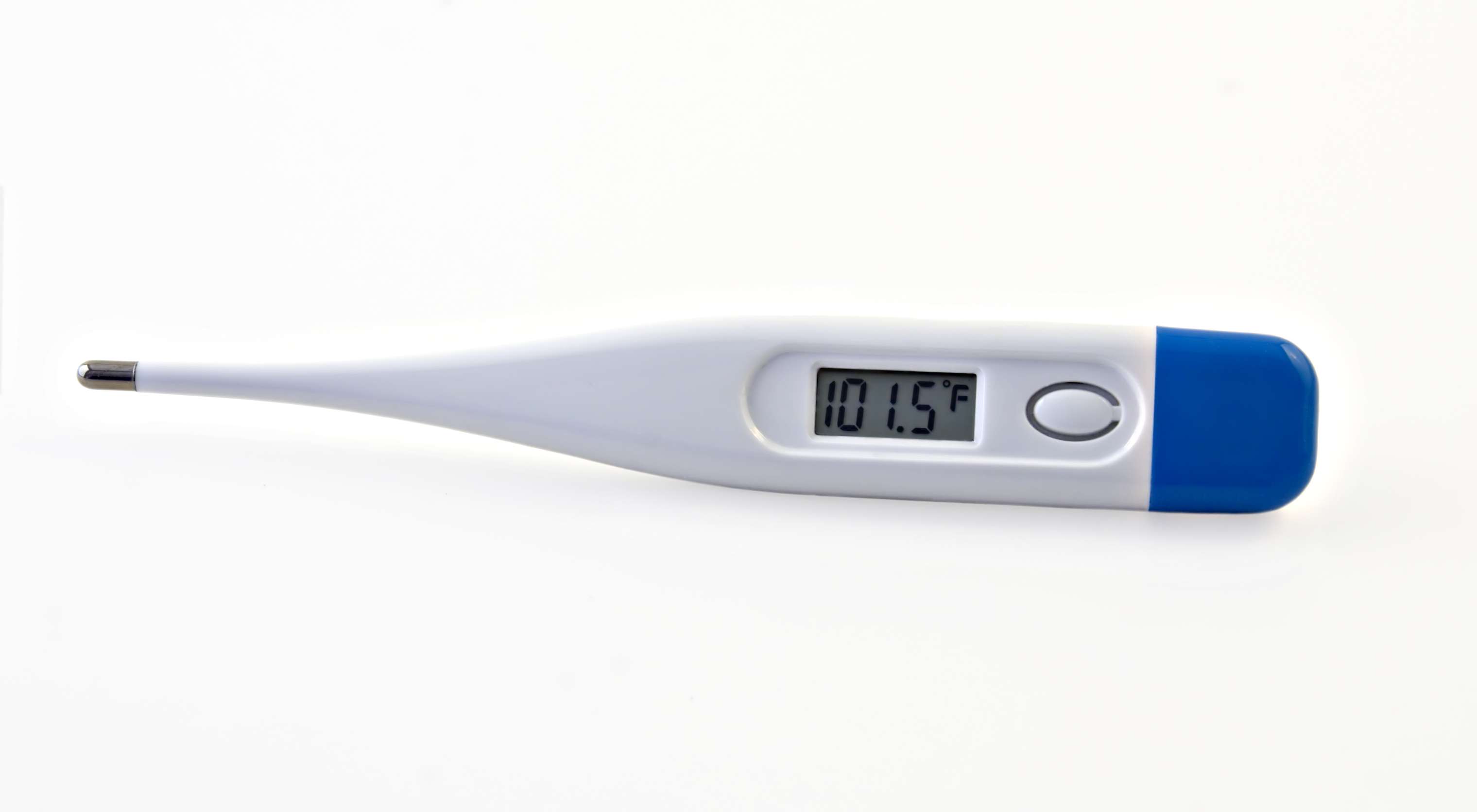
The rising prevalence of obesity marks it as an urgent public health concern that significantly affects overall well-being. A comprehensive understanding of effective obesity management strategies helps promote healthier lifestyles among individuals seeking assistance!
- -->
ASTHMA MANAGEMENT
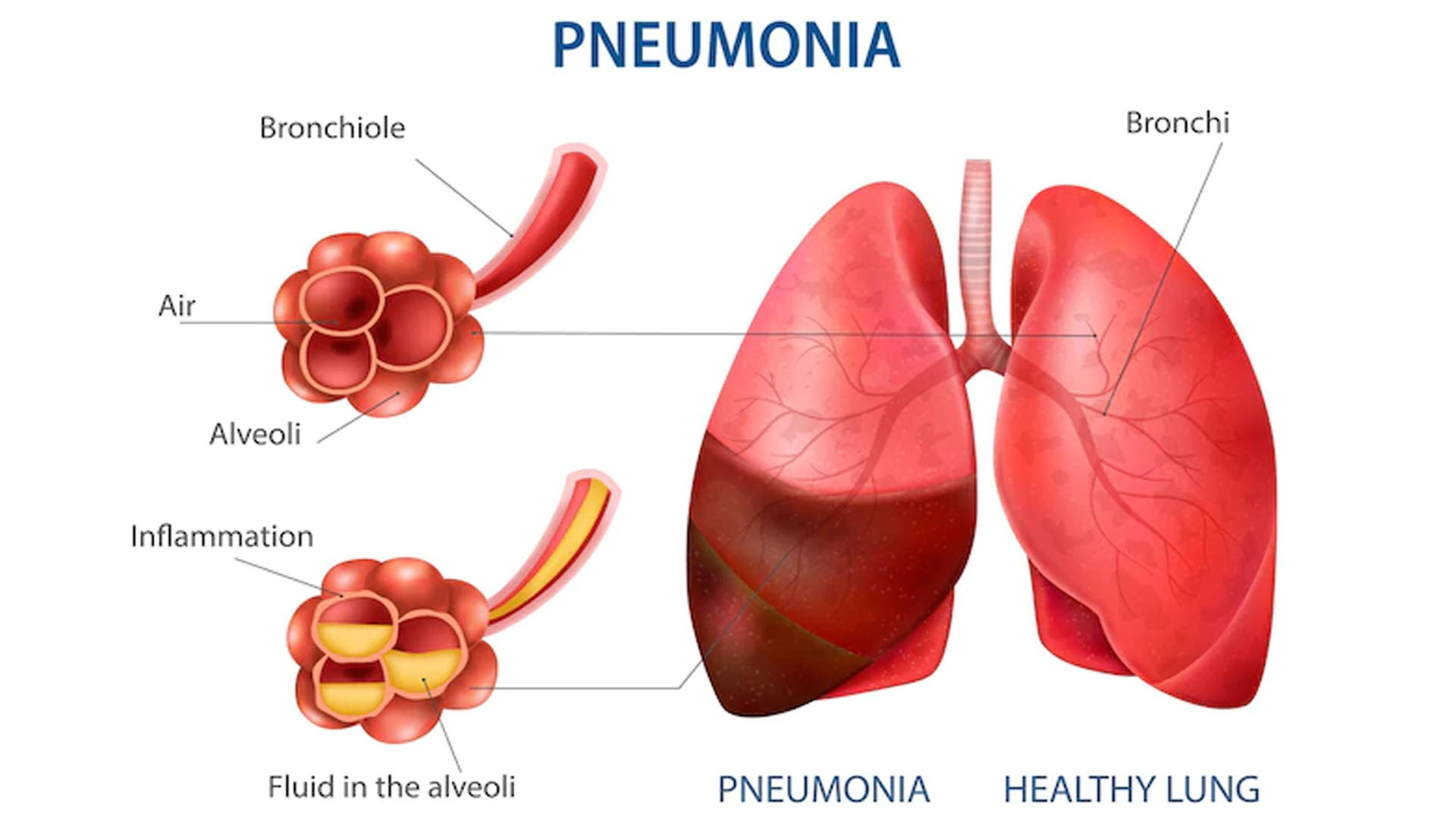
Asthma is a chronic respiratory condition that causes difficulty breathing due to airway inflammation. Effective asthma management helps individuals maintain an active lifestyle without compromising their respiratory health.
- Main Symptoms: Coughing, wheezing, chest tightness, and shortness of breath often worsen at night or early morning due to asthma triggers such as allergens or irritants.
- Causative Factors: Genetic predisposition combined with environmental influences such as pollution or exposure to tobacco smoke can instigate asthma attacks.
- A Diagnostic Approach: Pulmonary function tests assess lung capacity – helping diagnose the severity of asthma accurately along with patient history reviews determining specific triggers.
- Management Options:
- The mainstay for tackling asthma includes avoiding triggers whenever possible coupled with medication regimens like inhalers for quick relief along with maintenance inhaled corticosteroids reducing airway inflammation over time.
- Ongoing patient education aids plan adherence increased confidence long-term control fostering improved quality life.
Knowledge about proper inhalation techniques suffices assisting those navigating living amid asthmatic conditions daily!
HYPERLIPIDEMIA
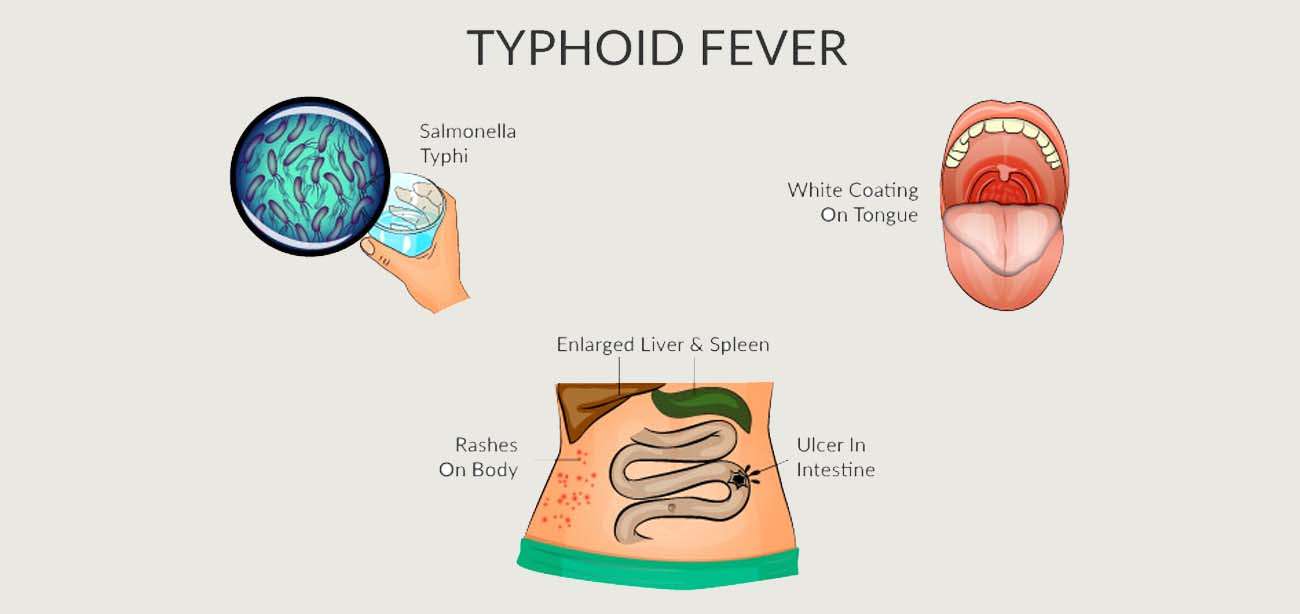
Hyperlipidemia refers to elevated lipid levels in the bloodstream, which is a significant risk factor for cardiovascular diseases. Understanding this condition is vital for preventing potential heart-related issues.
- Symptoms: Often asymptomatic initially; however, chest pain or feeling fatigued may occur if underlying conditions develop.
- Main Causes: Poor dietary choices (high-fat foods), obesity, sedentary lifestyle, and genetic factors can contribute to high cholesterol levels.
- Diagnosis Methods: Regular lipid panel tests evaluate total cholesterol, LDL (bad) cholesterol, HDL (good) cholesterol, and triglycerides in your blood.
- Treatment Options: Effective management involves dietary modifications (increasing fiber intake), regular exercise routines, weight control strategies, and sometimes medications like statins if lifestyle changes aren't sufficient.
- Your Outcomes: Many patients achieve healthier lipid profiles through committed lifestyle changes leading to reduced risk of heart disease or other complications over time.
The journey towards managing hyperlipidemia involves consistent effort but yields significant health rewards!
DIABETES MANAGEMENT
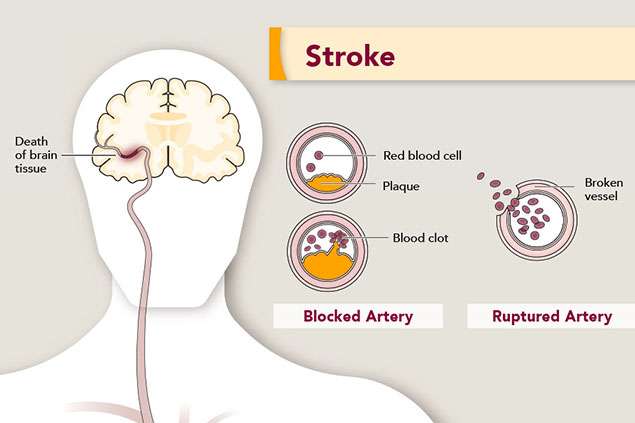
Diabetes is a chronic condition characterized by elevated levels of glucose in the bloodstream. Understanding diabetes is crucial for effective management and maintaining overall health.
- Symptoms: Increased thirst, frequent urination, extreme fatigue, and blurred vision are common indicators of diabetes.
- Causes: Insulin resistance or insufficient insulin production from the pancreas leads to hyperglycemia—elevated sugar levels in the blood.
- Diagnosis: Blood tests measuring hemoglobin A1C levels help determine average blood sugar over time; fasting glucose tests also provide essential insights.
- Treatment Approaches: Lifestyle changes focusing on diet (low carbohydrate diets), regular physical activity, and monitoring blood sugar levels are fundamental for managing diabetes effectively. Medications may also play a role when necessary.
- What to Expect: With commitment to treatment plans and healthy habits, individuals can lead active lives while keeping their diabetes under control.
A collaborative approach involving healthcare providers and patients enhances successful diabetes management.
HYPERTENSION
Hypertension, commonly known as high blood pressure, is a serious medical condition that can lead to significant health complications if unmanaged. It's important to understand the risks associated with hypertension and how lifestyle changes can play a pivotal role in controlling it.
- Symptoms: Often called a 'silent killer,' hypertension may not present noticeable symptoms. However, headaches, nosebleeds, and shortness of breath can be indicative.
- Causes: Factors such as obesity, lack of physical activity, excessive salt intake, and stress contribute to elevated blood pressure levels.
- Diagnosis: Blood pressure is measured using a sphygmomanometer during regular check-ups. Consistent readings above 130/80 mmHg are considered hypertensive.
- Treatment Options: Management often includes lifestyle adjustments like dietary changes (reducing salt), increased exercise, and weight management. In some cases, medications may be necessary.
- What to Expect: With appropriate treatment and lifestyle modifications, many patients can effectively control their blood pressure and reduce the risk of heart disease or stroke.
Regular monitoring and proactive management are key to living healthily with hypertension.