
Dr Telkar Hemant B
About Me
Dr Telkar Hemant B
Cardiologist
Biography
My Clinic
OPD Hours
| Tuesday | Morning | 10:00 AM | - | 02:00 PM |
| Evening | 06:00 PM | - | 09:00 PM | |
| Wednesday | Morning | 10:00 AM | - | 02:00 PM |
| Evening | 06:00 PM | - | 09:00 PM | |
| Thursday | Morning | 10:00 AM | - | 02:00 PM |
| Evening | 06:00 PM | - | 09:00 PM | |
| Friday | Morning | 10:00 AM | - | 02:00 PM |
| Evening | 06:00 PM | - | 09:00 PM | |
| Saturday | Morning | 10:00 AM | - | 02:00 PM |
| Evening | 06:00 PM | - | 09:00 PM | |
| Sunday | Morning | 10:00 AM | - | 02:00 PM |
| Evening | 06:00 PM | - | 09:00 PM | |
| Thursday | Morning | 10:00 AM | - | 02:00 PM |
| Evening | 06:00 PM | - | 09:00 PM |
Treatments
Specialised care and treatments offered
PERIPHERAL ARTERY DISEASE TREATMENT

This circulatory problem occurs when narrowed arteries reduce blood flow to the limbs. It's crucial for affected individuals to recognize early signs of this issue for prompt intervention.
- Sufferers may experience leg pain while walking (claudication), numbness in legs/feet during rest times indicating poor circulation overall!
- The most common reasons attributed include diabetes mellitus together with smoking habits exacerbating conditions leading up towards peripheral artery disease in patients facing these issues.
- Your doctor evaluates characteristics through physical examinations combined alongside Doppler ultrasound assessments providing deeper insights into flow patterns within arteries classified accordingly.
- Effective management usually entails adopting healthier lifestyle choices along prescribed medical therapies targeting symptomatic relief; surgical options exist as well depending upon severity associated risks involved contributing toward better outcomes overall!
Engagement in appropriate treatment plans supports enhancing quality of life whilst decreasing risks connected toward severe complications later on occurring due thankfully enhanced awareness surrounding peripheral artery disease!
CHOLESTEROL MANAGEMENT
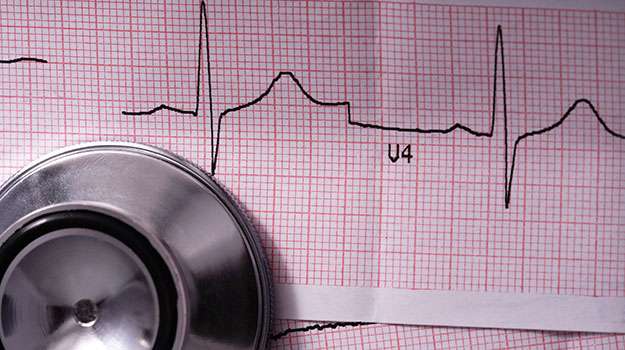
Elevated cholesterol levels can greatly increase the risk of cardiovascular disease. Regular screening helps in maintaining healthy levels essential for long-term health safety.
- You may not notice symptoms associated with high cholesterol until significant damage occurs; therefore regular testing becomes crucial!
- The key causes usually include unhealthy diets rich in trans fats along with physical inactivity leading up to increased LDL ('bad' cholesterol).
- Your healthcare provider diagnoses this condition through blood tests measuring total cholesterol levels including HDL ('good' cholesterol) components at intervals based on individual risk factors.
- Depending on results lifestyle changessuch as improving diet/exercise regimes could help manage levels effectively; additionally medications like statins may be considered if necessary.
Working towards lower cholesterol levels minimizes potential risks associated with complications arising from cardiovascular diseases!
HEART FAILURE CARE
This condition indicates that the heart cannot pump sufficiently to meet bodily needs. Heart failure affects daily life but can be managed effectively with appropriate treatments and lifestyle adjustments.
- Symptoms commonly include breathlessness during activities, swelling in legs/ankles due to fluid retention, and chronic fatigue
- Causative factors could involve coronary artery disease, high blood pressure, and previous heart attacks among others.
- The diagnosis typically includes evaluations via echocardiograms and other imaging tests to assess heart function accurately.
- Treatment options encompass medications like diuretics for fluid reduction and ACE inhibitors for heart strength improvement; lifestyle changes play a critical role too!
Caring for one’s heart health can lead to improved quality of life despite living with this condition through ongoing support from healthcare professionals.
ATRIAL FIBRILLATION MANAGEMENT
Atrial fibrillation (AFib) is characterized by an irregular heartbeat which may lead to various complications if left untreated. Recognizing this condition early provides more effective treatment options.
- Atrial fibrillation can manifest through palpitations, dizziness, or increased fatigue, although some may experience no symptoms at all.
- The diagnosis is generally confirmed through an electrocardiogram (ECG) that captures the heart's rhythm pattern.
- Treatment aims at controlling the heart rate using medications such as beta-blockers or calcium channel blockers; anticoagulants are also prescribed to reduce stroke risk.
- In certain cases where medication isn't effective, electrical cardioversion or catheter ablation might be recommended for restoring normal rhythm.
Atrial fibrillation management focuses on reducing symptoms while minimizing stroke risk through a comprehensive care plan.
CORONARY ARTERY DISEASE TREATMENT
This condition occurs when the coronary arteries become narrowed or blocked due to plaque buildup. It can significantly affect heart function if not addressed promptly.
- The Main causes include high cholesterol, smoking, and a sedentary lifestyle.
- Symptoms may involve chest pain (angina), fatigue, or shortness of breath during physical activities.
- Diagnosis often requires an electrocardiogram (ECG), stress tests, or cardiac imaging studies.
- Treatment options range from lifestyle modifications to medications such as statins and antiplatelet agents. In severe cases, procedures like angioplasty or bypass surgery might be necessary.
Effective management is essential for improving quality of life and reducing the risk of heart attacks.
HYPERTENSION MANAGEMENT
Hypertension, or high blood pressure, is a common health issue that can lead to serious complications if not managed properly. It often has no obvious symptoms, making regular check-ups vital for early detection.
- Common symptoms include headaches, dizziness, and shortness of breath, but many individuals may feel fine and still have high blood pressure.
- Diagnosis typically involves measuring blood pressure during routine visits or at home with a monitor.
- Treatment may include lifestyle changes such as diet and exercise, alongside medications like diuretics or ACE inhibitors.
- Patients should regularly monitor their blood pressure to ensure treatment effectiveness and make necessary adjustments.
- Managing hypertension is crucial to prevent serious health issues like heart attacks or strokes.
Through proactive management and regular consultation with a healthcare provider, individuals can maintain their blood pressure within a healthy range.