
Dr Thakur Hospital
About Me
Dr Thakur Hospital
Cardiologist
Biography
My Clinic
OPD Hours
| Tuesday | Morning | 10:00 AM | - | 02:00 PM |
| Evening | 06:00 PM | - | 09:00 PM | |
| Wednesday | Morning | 10:00 AM | - | 02:00 PM |
| Evening | 06:00 PM | - | 09:00 PM | |
| Thursday | Morning | 10:00 AM | - | 02:00 PM |
| Evening | 06:00 PM | - | 09:00 PM | |
| Friday | Morning | 10:00 AM | - | 02:00 PM |
| Evening | 06:00 PM | - | 09:00 PM | |
| Saturday | Morning | 10:00 AM | - | 02:00 PM |
| Evening | 06:00 PM | - | 09:00 PM | |
| Sunday | Morning | 10:00 AM | - | 02:00 PM |
| Evening | 06:00 PM | - | 09:00 PM | |
| Thursday | Morning | 10:00 AM | - | 02:00 PM |
| Evening | 06:00 PM | - | 09:00 PM |
Treatments
Specialised care and treatments offered
PERICARDITIS

Pericarditis refers to inflammation of the pericardium—the fibrous sac surrounding the heart. It can occur due to various causes ranging from infections to autoimmune disorders and even post-heart attack recovery phases
.- .
- . Symptoms generally include sharp chest pain that worsens with breathing or lying down; fever; fatigue; and palpitations.;
- The diagnosis is made through clinical evaluation supported by imaging studies such as echocardiography along with blood tests assessing inflammation markers ;
- Management typically entails non-steroidal anti-inflammatory drugs (NSAIDs) paired occasionally with corticosteroids if needed whilst addressing any underlying issues driving this inflammation process effectively ;
- Monitoring recovery actively ensures any complications arising are attended promptly providing relief towards improved quality improvement overall sooner rather than later ;
While pericarditis resolves spontaneously for many patients , ensure adherence closely following physician recommendations throughout treatment course avoids recurrence risks effectively .
HYPERTENSION
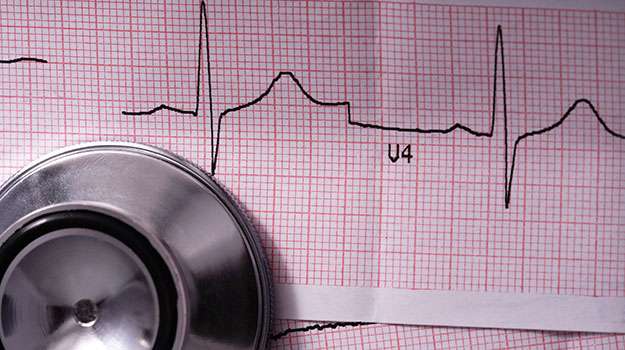
Hypertension, often called high blood pressure, is a common but serious condition that can lead to severe health complications if untreated. It frequently develops over years without noticeable symptoms until significant damage has occurred to vital organs like the heart or kidneys.
- The condition may present with headaches, shortness of breath, nosebleeds but often remains symptomless until affecting other parts of health adversely;
- Diagnostic assessments primarily involve routine blood pressure measurements alongside further evaluations for any associated organ dysfunction ;
- Management strategies typically incorporate lifestyle modifications such as dietary alterations alongside pharmacotherapy which includes diuretics , ACE inhibitors amongst others ;
- Regular monitoring ensures goal targets achieved while adjusting medications based on individual responses; ensuring comprehensive survivor plan post-diagnosis remains critical ;
Hypertension doesn't only affect cardiovascular health but requires diligent management so individuals live longer healthier lives .
CARDIAC ARREST
A cardiac arrest occurs when the heart unexpectedly stops beating. This severe medical emergency demands immediate intervention since it results in cessation of blood flow and loss of consciousness within moments if not treated swiftly.
- The primary signs include sudden collapse, no pulse felt at major arteries like the neck or wrist, and lack of breathing or abnormal gasps.
- This condition is usually assessed through clinical observation; advanced diagnostics are performed post-event during resuscitation efforts in medical facilities.
- Treatment involves immediate initiation of CPR followed by defibrillation to restore normal rhythm alongside advanced life support measures provided by emergency responders.
- For survivors of a cardiac arrest incident , ongoing evaluation using echocardiograms , ECGs ,and implanted devices may be necessary .
With rapid response , many patients recover well enough with subsequent rehabilitation programs aimed at restoring cardiovascular function .
ARRHYTHMIAS
Arrhythmias are irregularities in the heartbeat that can manifest as palpitations or missed beats. These disturbances may result from structural changes in the heart or external factors such as stress or caffeine consumption.
- The most common symptoms include fluttering sensations in the chest, fainting episodes, dizziness, and general fatigue.
- Diagnosis often involves a detailed patient history along with monitoring techniques like Holter monitors or electrophysiological studies to ascertain the type of arrhythmia present.
- Treatment approaches vary and might necessitate antiarrhythmic medications, catheter ablation procedures, or implantable devices such as pacemakers for certain types of arrhythmias.
- Lifestyle changes including reducing stimulants like caffeine and managing stress are also recommended to help control symptoms.
If managed properly with medical guidance, individuals with arrhythmias can successfully maintain their daily activities without significant limitations.
HEART FAILURE
Heart failure is a chronic condition where the heart is unable to pump enough blood to meet the body's needs. It can be caused by various underlying conditions that weaken the heart muscle over time.
- The symptoms may include fatigue, swelling in the legs or abdomen, rapid heartbeat, and difficulty breathing during activities or while lying down.
- This condition is diagnosed using a combination of physical examinations, echocardiograms, and blood tests to check kidney function and detect fluid buildup.
- Treatment often involves a mix of medications, lifestyle adjustments like diet and exercise, and potentially surgical options in advanced cases.
- Pacemaker implantation or heart transplant may be considered for severe heart failure cases.
- A multidisciplinary approach including regular follow-ups is essential for managing this condition effectively.
With appropriate management strategies tailored to individual needs, many patients can lead active lives despite having heart failure.
ACUTE MYOCARDIAL INFARCTION
Acute Myocardial Infarction, commonly known as a heart attack, occurs when blood flow to a part of the heart is blocked. This blockage can lead to serious damage or death of heart muscle if not treated promptly.
- Symptoms include severe chest pain, shortness of breath, cold sweat, nausea, and lightheadedness.
- This condition is typically diagnosed through electrocardiograms (ECGs), blood tests for cardiac enzymes, and imaging studies.
- Treatment options may involve medications such as antiplatelets and fibrinolytics, alongside possible interventions like angioplasty or coronary artery bypass grafting.
- Pain management and lifestyle changes are crucial in the post-recovery phase.
- Following treatment, it’s normal to feel anxious; rehabilitation programs can help restore confidence and physical health.
Prompt medical attention can significantly impact recovery outcomes for those experiencing a heart attack.