
Dr Tilak Suvarna
About Me
Dr Tilak Suvarna
Cardiologist
Biography
My Clinic
OPD Hours
| Tuesday | Morning | 10:00 AM | - | 02:00 PM |
| Evening | 06:00 PM | - | 09:00 PM | |
| Wednesday | Morning | 10:00 AM | - | 02:00 PM |
| Evening | 06:00 PM | - | 09:00 PM | |
| Thursday | Morning | 10:00 AM | - | 02:00 PM |
| Evening | 06:00 PM | - | 09:00 PM | |
| Friday | Morning | 10:00 AM | - | 02:00 PM |
| Evening | 06:00 PM | - | 09:00 PM | |
| Saturday | Morning | 10:00 AM | - | 02:00 PM |
| Evening | 06:00 PM | - | 09:00 PM | |
| Sunday | Morning | 10:00 AM | - | 02:00 PM |
| Evening | 06:00 PM | - | 09:00 PM | |
| Thursday | Morning | 10:00 AM | - | 02:00 PM |
| Evening | 06:00 PM | - | 09:00 PM |
Treatments
Specialised care and treatments offered
STRESS TESTING

A cardiac stress test evaluates how well your heart performs when under physical exertion. This test helps identify possible ischemic conditions where blood supply may be insufficient due mainly due lack of adequate oxygen delivery during activity phase .
- Symptoms warranting this assessment include unexplained chest pain , excessive fatigue upon exertion , or sudden spells linked towards dizziness.
- The process usually involves exercising on either treadmill/bike while monitored closely through EKG leads showing electrical activity .
- For those unable/unwilling engage physically , medications will simulate effects similar exercise effectively still providing insight about cardiovascular health status .
- Results yield significant information concerning how effectively circulation adjusts effort levels indicating whether additional treatments could become necessary safeguard against future complications arising potentially leading until serious events occur prematurely such should be monitored accordingly closely over time management decisions made thereafter.”
Stress tests ultimately serve informative purpose directing appropriate attentiveness ensuring optimal quality life maintained path moving forward collaboratively together partnership between patient medical professionals’ interactions establishing trust bond fostered awareness proactively taking charge amongst own wellness journey faithfully continuing caring stewardship support offered satisfactorily consistently meeting highest standards achievable throughout their care continuum focused firmly ensuring success rates improved appropriately achieved comprehensively attainable.
CARDIAC CATHETERIZATION
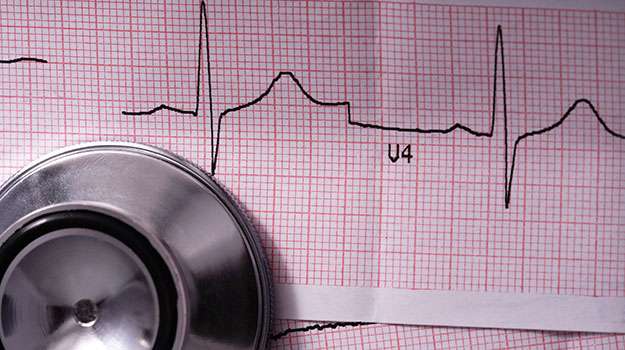
Cardiac catheterization is a vital diagnostic procedure utilized to examine how well your heart functions. During this procedure, a thin tube called a catheter is inserted into a blood vessel leading to your heart for close observation of its activity and anatomy.
- This test can help identify blocked arteries, assess valve function, and evaluate overall cardiac performance in real-time context visually.
- Patients undergoing catheterization often experience minimal discomfort; local anesthesia aids ease during insertion .
- Imaging technology assists physicians in seeing precise details while guiding potential interventions if blockages are discovered .
- Moreover , findings from catheterization greatly influence future management plans including medication adjustments , lifestyle recommendations or further interventional procedures .
Overall , cardiac catheterization plays an integral role in timely diagnosis enabling effective therapeutic approaches aimed ultimately at improving patient outcomes .
TRANSESOPHAGEAL ECHOCARDIOGRAPHY (TEE)
Transesophageal echocardiography (TEE) is an advanced imaging technique used to obtain detailed pictures of the heart from within the esophagus. This procedure provides clearer images than traditional echocardiograms when evaluating certain conditions.
- This method is particularly helpful for diagnosing heart valve diseases, congenital heart defects, and detecting blood clots in the heart chambers.
- Tee is performed after administering sedation; patients may feel relaxed and comfortable throughout the process.
- Your doctor will insert a thin probe into your esophagus, not causing any discomfort for most patients as they remain sedated during the exam.
- The entire evaluation usually takes about 30-90 minutes depending on specific requirements at hand;
- Results will be discussed shortly after as they are critical for deciding further treatment measures .
Tee significantly enhances diagnostic accuracy in complex cases where initial tests may have limitations .
HOLTER MONITOR
A Holter monitor is a portable device used to continuously record the heart's rhythms over 24-48 hours. This non-invasive method helps diagnose arrhythmias that might not appear during standard testing.
- This monitoring technique captures symptoms such as dizziness or palpitations related to abnormal heartbeat patterns.
- The device is typically worn on a belt or shoulder strap with electrodes attached to the chest area for accurate readings.
- Patients wear it during their daily activities, which allows doctors to correlate symptoms with recorded data.
- After recording, the data is analyzed by your healthcare team to determine any necessary interventions or treatments.
A Holter monitor offers valuable insights that aid in forming effective treatment plans tailored specifically to individual cardiac needs.
ECHOCARDIOGRAM
An echocardiogram is an essential diagnostic tool that uses ultrasound waves to create images of the heart's structure and function. It provides detailed insights into various cardiac conditions without any radiation exposure.
- This test helps identify problems like valve disorders, heart enlargement, and issues with blood flow.
- A physician may recommend an echocardiogram if symptoms like unexplained fatigue or irregular heartbeats occur.
- The procedure involves placing gel on the chest and using a transducer to capture images; it typically lasts about 30-60 minutes.
- No special preparation is needed, making it convenient for patients of all ages.
- Results are interpreted by specialists who can discuss management strategies based on findings.
Echocardiograms are crucial for monitoring heart health over time and guiding treatment decisions effectively.
ANGIOPLASTY
Angioplasty is a minimally invasive procedure designed to widen narrowed or blocked blood vessels in the heart. This treatment can help restore normal blood flow, which is crucial for heart health.
- Symptoms of blocked arteries often include chest pain (angina), shortness of breath, and fatigue.
- The condition is typically diagnosed using a combination of electrocardiograms, stress tests, and coronary angiography.
- Treatment may involve balloon angioplasty, where a small balloon is inflated inside the artery, sometimes followed by placing a stent to keep the artery open.
- Patients can expect a quicker recovery compared to open-heart surgery; many return to normal activities within days.
- Post-procedure, lifestyle changes such as diet and exercise are recommended for optimal heart health.
Overall, angioplasty offers a safe alternative to more invasive surgery while effectively managing coronary artery disease.