
Dr Timcy Mehta
About Me
Dr Timcy Mehta
Internal Medicine
Biography
My Clinic
OPD Hours
| Tuesday | Morning | 10:00 AM | - | 02:00 PM |
| Evening | 06:00 PM | - | 09:00 PM | |
| Wednesday | Morning | 10:00 AM | - | 02:00 PM |
| Evening | 06:00 PM | - | 09:00 PM | |
| Thursday | Morning | 10:00 AM | - | 02:00 PM |
| Evening | 06:00 PM | - | 09:00 PM | |
| Friday | Morning | 10:00 AM | - | 02:00 PM |
| Evening | 06:00 PM | - | 09:00 PM | |
| Saturday | Morning | 10:00 AM | - | 02:00 PM |
| Evening | 06:00 PM | - | 09:00 PM | |
| Sunday | Morning | 10:00 AM | - | 02:00 PM |
| Evening | 06:00 PM | - | 09:00 PM | |
| Thursday | Morning | 10:00 AM | - | 02:00 PM |
| Evening | 06:00 PM | - | 09:00 PM |
Treatments
Specialised care and treatments offered
ANEMIA EVALUATION
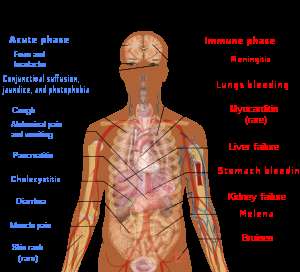
Anemia occurs when your blood lacks sufficient healthy red blood cells leading to reduced oxygen flow throughout the body. Recognizing its causes helps ensure timely intervention before it progresses further into severe complications
- Common signs : Symptoms range from fatigue , weakness to shortness of breath even after minor exertion indicating lower oxygenation status within tissues .
- Causes: Iron deficiency remains prevalent among women , while chronic diseases like renal failure contribute largely too - hence require careful assessment methodology during evaluations regularly conducted .
- Identifying diagnostic approaches: : Full Blood Count (FBC) provides initial screening whilst ferritin level assessments evaluate iron storage status revealing deeper insights tailored towards specific treatment modalities later outlined accordingly derived adequately through consultations held subsequently leading out onto pathways designed primarily aimed around improving quality alive once situations identified correctly .> < p An understanding regarding these elements sets foundation strengthening knowledge base empowering individuals navigate concerns more effectively ensuring improved outcomes established fostering robust lifestyle enhancements tangibly reflective seen encapsulated dynamic ways hence forward !< / p
THYROID FUNCTION TESTING
The thyroid gland plays a crucial role in regulating metabolism through hormone production. Thyroid dysfunction can lead to several systemic health issues necessitating regular testing for optimal health maintenance
- Symptomatology: Patients might experience weight fluctuations , fatigue , mood swings , or temperature intolerance depending on whether they suffer from hyperthyroidism or hypothyroidism .
- Primary causes: Autoimmune disorders such as Graves' disease or Hashimoto's thyroiditis are common culprits behind dysfunction .
- Diagnostic procedures: Blood tests measure TSH (Thyroid Stimulating Hormone) along with T3 & T4 hormone levels to assess thyroid health accurately .
- Treatment methods: Treatment varies based on whether one has an underactive or overactive thyroid – medication dosages may be adjusted regularly during follow-ups .
Detecting thyroid issues early aids faster intervention resulting in better overall management allowing patients to lead healthier lives without undue stress over thyroid conditions taking hold .
LIPID PROFILE ASSESSMENT
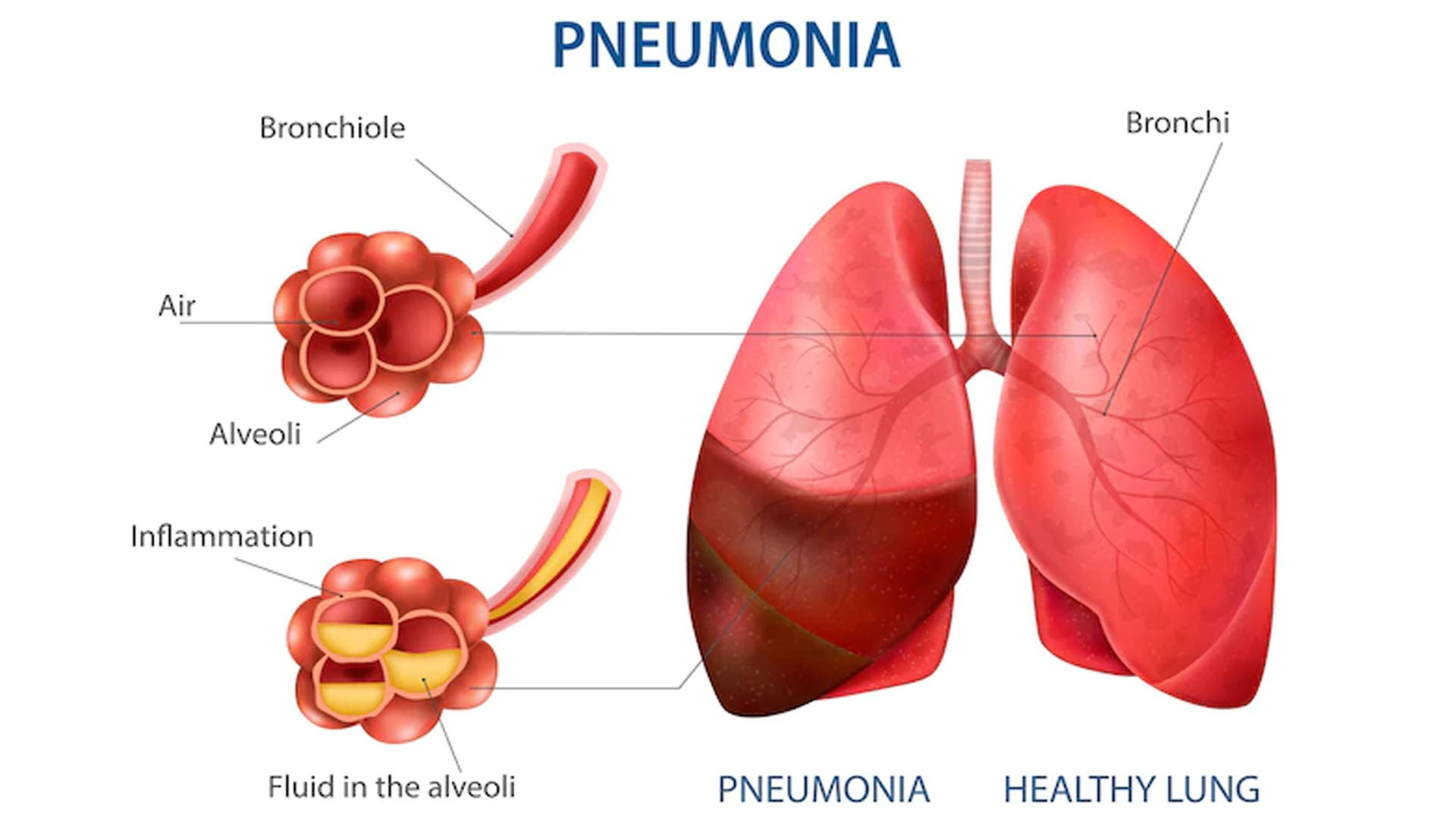
A lipid profile assessment evaluates cholesterol levels in your bloodstream which play a significant role in cardiovascular health. Understanding these levels can guide preventative measures against heart disease.
- Lipid types measured: The test measures different types of cholesterol including LDL (bad), HDL (good), and triglycerides among others.
- Causal factors: High lipid levels can result from poor diet choices high in saturated fats, lack of exercise, obesity, or genetic factors affecting metabolism.
- Diagnosis process:The assessment involves a simple blood test after fasting. Follow-up evaluations help monitor response to any interventions initiated thereafter.
CHRONIC KIDNEY DISEASE ASSESSMENT
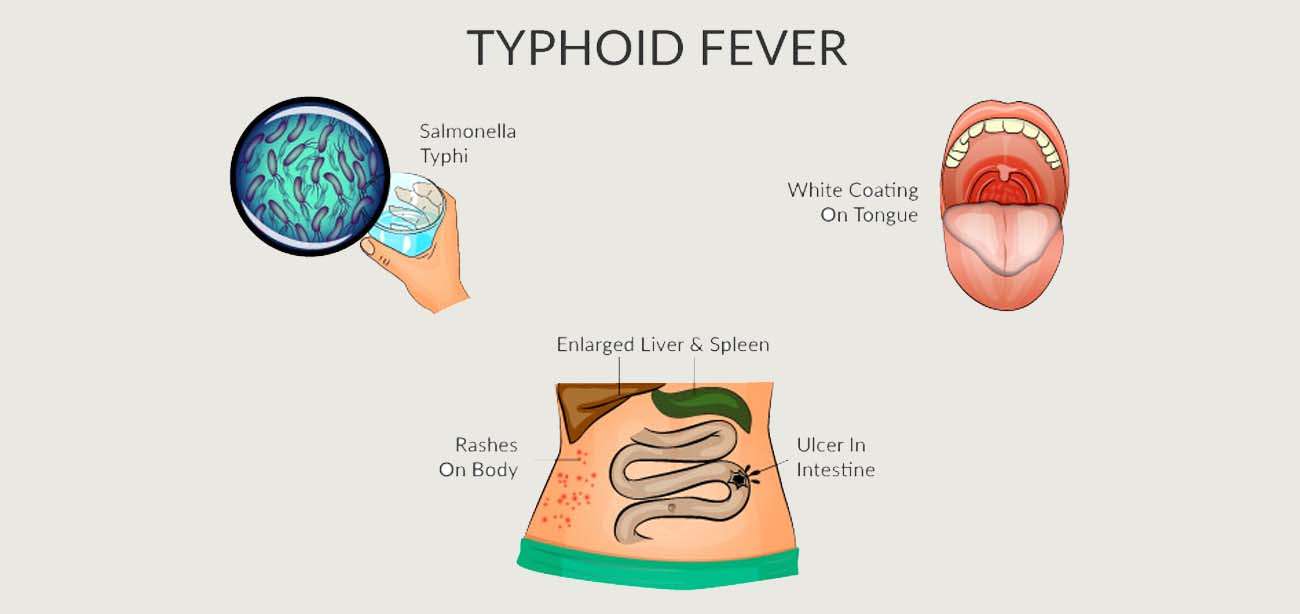
Chronic Kidney Disease (CKD) indicates gradual kidney damage over time. Early assessment is critical to slowing progression and reducing complications associated with kidney function decline.
- Symptoms: Symptoms often develop slowly but may include fatigue, swelling in the ankles or feet, and changes in urination patterns.
- Causes: Diabetes and hypertension are leading causes of CKD; other factors include glomerulonephritis and polycystic kidney disease.
- Diagnosis: Blood tests measuring creatinine levels along with urine tests provide insight into kidney function levels. Imaging studies may assist further if needed.
- Treatment options: Managing underlying conditions like diabetes or hypertension is critical. Dietary changes along with medications may help reduce complications arising from CKD.
A comprehensive management strategy can significantly enhance the quality of life for patients suffering from this condition by preserving kidney function longer while alleviating symptoms early on.
DIABETES MELLITUS EVALUATION
Diabetes Mellitus encompasses a group of diseases that affect how your body uses glucose. Effective evaluation is essential for managing this chronic condition and preventing complications.
- Symptoms: Common signs include increased thirst, frequent urination, extreme fatigue, and blurred vision.
- Causes: Factors contributing to diabetes include genetic predisposition, obesity, inactivity, and certain health conditions.
- Diagnosis: A combination of fasting blood glucose tests and HbA1c levels confirms diabetes presence. Regular check-ups are vital for monitoring progress.
- Treatment/management: Lifestyle interventions like diet modification and physical activity are crucial alongside medications or insulin therapy when necessary.
An early diagnosis allows for much better management options. Ongoing education about living with diabetes is key to maintaining long-term health and well-being.
HYPERTENSION MANAGEMENT
Hypertension, commonly referred to as high blood pressure, is a condition that significantly increases the risk of heart disease and stroke. It often presents with no symptoms, so regular monitoring is crucial for detecting this silent killer.
- Symptoms: Many individuals do not experience noticeable symptoms; however, some may notice headaches, dizziness, or nosebleeds.
- Causes: Factors such as obesity, high salt intake, sedentary lifestyle, and genetics contribute to hypertension.
- Diagnosis: Blood pressure readings taken at multiple visits help in confirming the condition. Additional tests may include blood tests and urine analysis.
- Treatment options: Lifestyle changes like dietary adjustments and exercise are foundational. Medications may also be prescribed to help manage blood pressure levels effectively.
- Monitoring: Regular follow-up appointments are important to ensure that treatment is effective and make any necessary adjustments.
A proactive approach can significantly improve outcomes for those dealing with hypertension. Consultation with healthcare professionals enables tailored management plans that fit individual patient needs.