
Dr Titorias Cli
About Me
Dr Titorias Cli
MBBS
Dermatologist
10 Years Experience
Biography
My Clinic
OPD Hours
| Monday | Morning | 10:00 AM | - | 02:00 PM |
| Evening | 06:00 PM | - | 09:00 PM | |
| Tuesday | Morning | 10:00 AM | - | 02:00 PM |
| Evening | 06:00 PM | - | 09:00 PM | |
| Wednesday | Morning | 10:00 AM | - | 02:00 PM |
| Evening | 06:00 PM | - | 09:00 PM | |
| Thursday | Morning | 10:00 AM | - | 02:00 PM |
| Evening | 06:00 PM | - | 09:00 PM | |
| Friday | Morning | 10:00 AM | - | 02:00 PM |
| Evening | 06:00 PM | - | 09:00 PM | |
| Saturday | Morning | 10:00 AM | - | 02:00 PM |
| Evening | 06:00 PM | - | 09:00 PM | |
| Sunday | Morning | 10:00 AM | - | 02:00 PM |
| Evening | 06:00 PM | - | 09:00 PM |
Treatments
Specialised care and treatments offered
TREATMENT OF ACNE VULGARIS
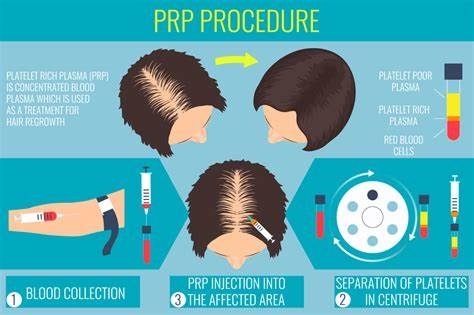
The management of acne vulgaris involves addressing multiple factors including excess oil production, clogged pores, bacteria proliferation, and inflammation. Dermatologists use targeted therapies designed according to acne severity levels.
- Symptoms include: comedones (blackheads/whiteheads), inflammatory papules/pustules nodules predominantly on face/chest/back.
- Diagnosis relies on: visual assessment supplemented by history including triggers or previous treatments.
- Treatment strategies consist of: topical retinoids/antibiotics combined sometimes with oral medications such as antibiotics or hormonal treatments depending upon severity.
- Management advice covers: gentle cleansing habits plus avoiding picking lesions which worsen scarring risk.
- Expected results: gradual improvement over weeks-months with consistent adherence; adjustment possible based on response.
An individualized plan from a qualified dermatologist optimizes outcomes while minimizing side effects through ongoing monitoring during therapy courses.
MOLE REMOVAL USING EXCISION
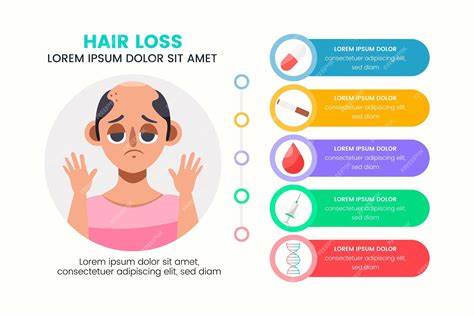
Surgical excision of moles is a frequently performed procedure aimed at removing unwanted pigmented lesions either for cosmetic reasons or suspicion of malignancy. This method ensures complete removal under direct visualization by a specialist dermatology team member.
- Indications: Includes changing moles showing irregular features or patient preference for cosmetic refinement.
- Diagnostic step: Detailed clinical exam precedes excision; biopsy may be performed post-removal.
- Procedure: Local anesthesia administered followed by precise cutting around mole margins using sterile instruments.
- Recovery: Sutures typically removed within one-two weeks; follow-up scheduled to monitor healing.
- Expectation: Minimal scarring anticipated if wound care instructions are properly followed.
This minor surgical approach provides definitive results with safety monitored throughout recovery stages by dermatology specialists.
TOPICAL TREATMENT OF PSORIASIS
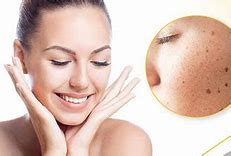
The management of psoriasis often begins with topical therapies designed to control inflammation and scaling. These medications help alleviate symptoms while minimizing side effects compared to systemic drugs.
- Description of condition: Psoriasis is an autoimmune disorder characterized by red, scaly plaques primarily affecting the skin surface.
- If diagnosed clinically, treatment intensity depends on severity and lesion location determined by dermatological evaluation.
- Treatment options include: corticosteroids, vitamin D analogs, coal tar preparations, or moisturizers tailored individually.
- Mild adverse effects: might include temporary irritation or dryness requiring adjustment or complementary skincare routines.
LASER HAIR REMOVAL
The use of laser technology for hair reduction has become a favored dermatologic procedure because it provides long-lasting results with minimal discomfort. Laser hair removal targets hair follicles specifically to reduce unwanted growth effectively.
- Causative mechanism: Laser energy penetrates the follicle pigment, damaging it to prevent future growth without harming surrounding tissue.
- Diagnosis & assessment: Skin type evaluation ensures proper laser settings are chosen for safe treatment.
- Treatment regimen: Several sessions spaced weeks apart are required due to hair growth cycles.
- Post-treatment recommendations: Avoid sun exposure and apply soothing agents if needed after each session.
- A typical outcome: Noticeable hair thinning after initial treatments; results improve progressively with repeated sessions.
This non-invasive approach is suitable for various body areas and offers an effective alternative to shaving or waxing routines over time.
CRYOTHERAPY FOR WARTS
Cryotherapy is an effective treatment method that uses extreme cold to eliminate wart tissue. It is commonly applied due to its ability to safely destroy benign skin lesions without surgery.
- Symptoms and causes: Warts arise from a viral infection by human papillomavirus (HPV), presenting as rough bumps on the skin.
- Diagnosis: Visual examination by a dermatologist typically confirms the presence of warts without additional tests.
- Treatment method: Liquid nitrogen is applied directly to freeze the wart, causing tissue destruction.
- Follow-up care: Healing involves blister formation followed by gradual peeling over one to two weeks.
- Outcome expectations: Multiple sessions may be needed; treated area generally heals with minimal scarring or discomfort.
This quick office-based procedure offers an efficient solution for wart removal with low complication rates when performed correctly.
CHEMICAL PEELS
Chemical peels are a popular dermatological procedure aimed at improving the skin's texture and appearance through controlled exfoliation. This treatment helps remove dead skin cells and stimulates new skin growth for a rejuvenated look.
- Causes and indications: Often used to treat acne scars, sun damage, and uneven pigmentation.
- Diagnosis: A dermatologist assesses skin type and condition to determine suitability for various peel strengths.
- Treatment process: Application of a chemical solution that causes controlled peeling, revealing fresher skin underneath.
- Management: Post-procedure care includes moisturizing, sun protection, and avoiding irritants.
- Expectations: Mild redness or flaking occurs initially; results appear gradually over days to weeks with improvement in skin tone and clarity.
This minimally invasive technique can be customized for different skin concerns, making it an effective option for many seeking smoother, healthier skin.