
Dr Trasi
About Me
Dr Trasi
Dermatologist
Biography
My Clinic
OPD Hours
| Tuesday | Morning | 10:00 AM | - | 02:00 PM |
| Evening | 06:00 PM | - | 09:00 PM | |
| Wednesday | Morning | 10:00 AM | - | 02:00 PM |
| Evening | 06:00 PM | - | 09:00 PM | |
| Thursday | Morning | 10:00 AM | - | 02:00 PM |
| Evening | 06:00 PM | - | 09:00 PM | |
| Friday | Morning | 10:00 AM | - | 02:00 PM |
| Evening | 06:00 PM | - | 09:00 PM | |
| Saturday | Morning | 10:00 AM | - | 02:00 PM |
| Evening | 06:00 PM | - | 09:00 PM | |
| Sunday | Morning | 10:00 AM | - | 02:00 PM |
| Evening | 06:00 PM | - | 09:00 PM | |
| Thursday | Morning | 10:00 AM | - | 02:00 PM |
| Evening | 06:00 PM | - | 09:00 PM |
Treatments
Specialised care and treatments offered
WARTS
A common benign growth caused by human papillomavirus (HPV), warts often appear on hands and feet but can develop anywhere on the body. Understanding warts is crucial for effective management and prevention
.- .
- . S: Typical symptoms include small raised bumps that feel rough; they might spread through direct contact. .
- . C: Warts result from HPV infection; risk increases through cuts/scrapes since virus thrives there. .
- . D: Diagnosis involves visual inspection; dermatoscopy helps confirm diagnosis without needing invasive techniques. .
- . T: Treatments range from cryotherapy (freezing) to topical applications; some warts resolve spontaneously without treatment too! .
- .E: Most treatments aim at complete removal while preventing further occurrences—many patients succeed effectively eliminating warts entirely! .
SKIN CANCER SCREENING
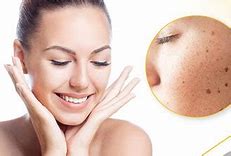
This crucial preventative measure assesses existing moles or unusual spots for potential cancerous changes. Early detection significantly increases successful treatment chances against different skin cancers such as melanoma or basal cell carcinoma!
- Symptoms: Warning signs include changing shapes/colors/sizes of moles along with new spot development that won’t heal properly!
- Causes: Risk factors consist largely from excessive UV radiation exposure however genetic predisposition also plays an important role!
- Diagnosis: Dermatoscopic examination performed by trained professionals assists them in identifying concerning lesions! Potential biopsies may be required if abnormalities arise during evaluations too!
- Treatment options: Depending on severity level treatments could involve surgical removal chemotherapy targeted therapies etc!
- What to expect:
ROSACEA
This chronic condition primarily affects the face and results in visible blood vessels alongside redness. Rosacea commonly develops after age 30 and tends to flare up intermittently due to various triggers.
- Symptoms:
PSORIASIS
This autoimmune condition leads to the rapid growth of skin cells resulting in thick red patches covered with scales. Psoriasis can be triggered by various factors including stress or infections.
- Symptoms: Patches may appear itchy or painful; they are commonly found on the elbows and knees but can occur anywhere on the body.
- Causes: Genetic predisposition combined with environmental triggers plays a significant role in its development.
- Diagnosis: A healthcare professional typically diagnoses psoriasis based on an examination of the affected areas of the skin.
- Treatment options: Options include topical therapies, phototherapy, and systemic medications aimed at controlling flare-ups.
- What to expect:
ECZEMA
Eczema is a chronic inflammatory skin condition characterized by dry and itchy skin. It often appears in childhood but can persist into adulthood.
- Symptoms: Common signs include redness, itching, and scaling of the affected areas.
- Causes: The exact cause is unknown but is thought to involve genetic factors as well as environmental triggers.
- Diagnosis: Diagnosis is generally made through patient history and physical examination of the skin.
- Treatment options: Effective management may include moisturizing ointments, corticosteroids, or immunomodulators.
- What to expect: With proper care, many individuals experience significant symptom relief and improved skin health.
If you suspect you have eczema, consulting with a dermatologist can provide essential guidance for managing this condition effectively.
ACNE
Acne is a common skin condition that can impact individuals of all ages, particularly during adolescence. This condition occurs when hair follicles become clogged with oil and dead skin cells.
- Symptoms: These include pimples, blackheads, and cysts that can appear on the face, back, and shoulders.
- Causes: Factors contributing to acne include hormonal changes, diet, and stress.
- Diagnosis: Dermatologists typically diagnose acne through a physical examination of the skin.
- Treatment options: Management may involve topical treatments, oral medications, or procedures like chemical peels.
- What to expect: Treatment can help reduce breakouts and scarring over time, but results vary by individual.
If you're dealing with acne, seeking professional advice can lead to effective treatment solutions tailored to your needs.