
Dr Trilochan Shri
About Me
Dr Trilochan Shri
MD
Neurologist
10 Years Experience
Biography
My Clinic
OPD Hours
| Monday | Morning | 10:00 AM | - | 02:00 PM |
| Evening | 06:00 PM | - | 09:00 PM | |
| Tuesday | Morning | 10:00 AM | - | 02:00 PM |
| Evening | 06:00 PM | - | 09:00 PM | |
| Wednesday | Morning | 10:00 AM | - | 02:00 PM |
| Evening | 06:00 PM | - | 09:00 PM | |
| Thursday | Morning | 10:00 AM | - | 02:00 PM |
| Evening | 06:00 PM | - | 09:00 PM | |
| Friday | Morning | 10:00 AM | - | 02:00 PM |
| Evening | 06:00 PM | - | 09:00 PM | |
| Saturday | Morning | 10:00 AM | - | 02:00 PM |
| Evening | 06:00 PM | - | 09:00 PM | |
| Sunday | Morning | 10:00 AM | - | 02:00 PM |
| Evening | 06:00 PM | - | 09:00 PM |
Treatments
Specialised care and treatments offered
MULTIPLE SCLEROSIS MANAGEMENT

This chronic autoimmune condition impacts the central nervous system leading to varied neurological symptoms. While incurable, targeted management improves patient quality of life substantially over time.
TRANSIENT ISCHEMIC ATTACK (TIA) EVALUATION
A transient ischemic attack (TIA) is a brief episode of neurological dysfunction caused by temporary cerebral blood flow interruption. It serves as a warning sign for potential stroke risk requiring urgent attention.
EPILEPSY MONITORING AND MANAGEMENT
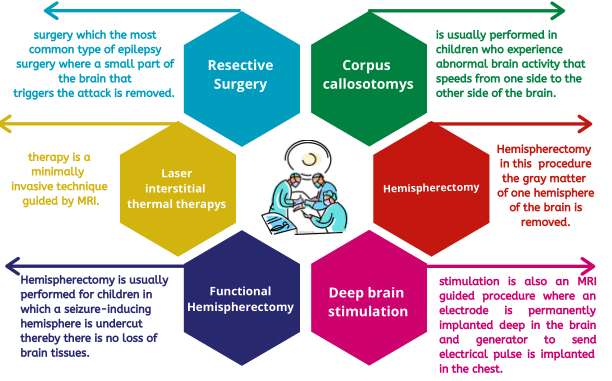
Epilepsy is a neurological disorder characterized by recurrent unprovoked seizures due to abnormal brain activity. Effective control depends on accurate diagnosis and individualized treatment planning.
- Symptoms: seizures vary widely—ranging from brief lapses of awareness to convulsions affecting entire body movements.
- Causes: can stem from genetic factors, brain injury, infections or developmental anomalies among others.
- Diagnosis protocols: include detailed history taking supported by EEG recordings and brain imaging studies for localization of seizure focus.
- Treatment modalities: primarily consist of antiseizure medications tailored according to seizure type; minimally invasive procedures like vagus nerve stimulation may be considered for drug-resistant epilepsy cases.
BELL'S PALSY REHABILITATION
Bell’s palsy is an acute facial nerve paralysis causing sudden weakness on one side of the face. This condition often presents suddenly but can improve over time with proper care.
- Symptoms: facial drooping, difficulty closing the eye or smiling on one side, altered taste sensation are common manifestations.
- Causes: typically idiopathic but believed to relate to viral inflammation affecting the facial nerve.
- Diagnosis: primarily clinical; imaging may be ordered if atypical features exist to rule out other neurologic diseases.
- Treatment approaches: include corticosteroids early in course and physical therapy focusing on facial muscle exercises; electrical stimulation can assist recovery in some cases.
- Outlook: Most patients experience substantial improvement within weeks to months with minimal long-term deficits when treated promptly.
Dedicated rehabilitation supports functional recovery and enhances cosmetic outcomes after Bell’s palsy episodes.
CARPAL TUNNEL SYNDROME TREATMENT
This condition arises from compression of the median nerve at the wrist leading to numbness or weakness in the hand. It is frequently encountered in clinical neurology practice.
- Symptoms: include tingling, burning sensations, or weakness in thumb and fingers often worse at night.
- Causes: repetitive hand movements, wrist anatomy issues, or underlying conditions like diabetes may contribute.
- Diagnosis: involves clinical examination complemented by nerve conduction studies to assess nerve function.
- Treatment options: range from wrist splints and activity modification to corticosteroid injections; minimally invasive endoscopic release surgery is considered if conservative measures fail.
- Prognosis: Early intervention usually leads to symptom relief; untreated cases risk permanent nerve damage.
A prompt diagnosis followed by appropriate therapy is essential for restoring hand function effectively.
MIGRAINE MANAGEMENT
Migraines are a common neurological disorder characterized by intense, often debilitating headaches. They can affect daily activities and overall quality of life.
- Symptoms: typically include throbbing headache, nausea, sensitivity to light and sound, and sometimes aura phenomena like visual disturbances.
- Causes: involve genetic predisposition, environmental triggers such as stress, certain foods, hormonal changes, and sensory stimuli.
- Diagnosis: is generally clinical based on patient history and symptom patterns; imaging may be used to exclude other causes.
- Treatment options: include lifestyle modifications, pharmacological therapies such as triptans or preventive medications, and emerging minimally invasive techniques like nerve blocks.
- Expectations: With appropriate management, frequency and severity of attacks can be reduced significantly improving quality of life.
Understanding migraine triggers and working with healthcare providers to develop a tailored plan can provide effective relief for many patients.