
Dr Trilok Jain
About Me
Dr Trilok Jain
MS
Orthopaedic Surgeons
10 Years Experience
Biography
My Clinic
OPD Hours
| Monday | Morning | 10:00 AM | - | 02:00 PM |
| Evening | 06:00 PM | - | 09:00 PM | |
| Tuesday | Morning | 10:00 AM | - | 02:00 PM |
| Evening | 06:00 PM | - | 09:00 PM | |
| Wednesday | Morning | 10:00 AM | - | 02:00 PM |
| Evening | 06:00 PM | - | 09:00 PM | |
| Thursday | Morning | 10:00 AM | - | 02:00 PM |
| Evening | 06:00 PM | - | 09:00 PM | |
| Friday | Morning | 10:00 AM | - | 02:00 PM |
| Evening | 06:00 PM | - | 09:00 PM | |
| Saturday | Morning | 10:00 AM | - | 02:00 PM |
| Evening | 06:00 PM | - | 09:00 PM | |
| Sunday | Morning | 10:00 AM | - | 02:00 PM |
| Evening | 06:00 PM | - | 09:00 PM |
Treatments
Specialised care and treatments offered
KNEE OSTEOARTHRITIS
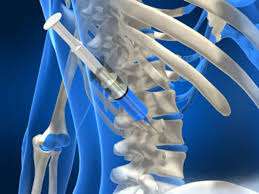
Knee osteoarthritis is a degenerative joint disease characterized by cartilage breakdown leading to pain and stiffness. It commonly affects older adults but can arise earlier due to previous injuries or obesity.
- The predominant symptoms include persistent knee pain during activity that decreases with rest along with stiffness after prolonged inactivity.
- Diagnosis usually combines medical history review with physical examinations alongside imaging techniques like X-rays .
- Management strategies encompass lifestyle modifications such as weight loss, medications for pain relief like NSAIDs , injections (e.g., hyaluronic acid), or even surgical interventions in advanced cases.
Adopting comprehensive treatment plans effectively mitigates symptoms enhancing overall knee functionality over time.
TENDON INJURIES
Tendon injuries can occur due to acute trauma or chronic overuse. These injuries often affect athletes but can happen to anyone engaging in repetitive activities.
- Main signs include sharp pain during movement and swelling around joints where tendons are located.
- A healthcare professional will typically conduct a physical examination along with imaging tests such as Ultrasound.
- Treatment varies based on severity - it might involve physical therapy for minor injuries or surgical options for more serious tears involving tendon reattachment.
Catching tendon injuries early improves healing times and facilitates a quicker return to your activities of choice.
CARPAL TUNNEL SYNDROME

This condition occurs when pressure is applied to the median nerve in the wrist leading to numbness and tingling in the hand. It’s prevalent amongst those performing repetitive tasks.
- The primary symptoms include tingling sensations in fingers especially at night, weakness in grip strength and pain radiating up the arm.
- A detailed medical history along with a physical exam enables accurate diagnosis; nerve conduction studies may also be utilized.
- Treatment strategies often involve wrist splints at night, steroid injections, or surgery if conservative management fails to alleviate symptoms.
Timely intervention can significantly enhance quality of life for individuals suffering from this syndrome.
LIGAMENT SPRAINS

Sprains are injuries that can affect any joint but are common in the ankle, knee, and wrist. They occur when ligaments are overstretched or torn.
- The main symptoms include swelling, bruising, pain, and limited joint function.
- A thorough physical evaluation paired with imaging studies like X-rays helps confirm the diagnosis.
- Treatment options may include rest, ice application, elevation (RICE), and in some cases, surgical repair for severe sprains.
- A structured rehabilitation program is vital for restoring full function post injury.
If managed properly, most sprains heal completely without long-term consequences.
ROTATOR CUFF INJURY

A rotator cuff injury can impede arm movement and cause significant discomfort. This condition arises when the muscles or tendons surrounding the shoulder joint become damaged.
- Pain, particularly when lifting the arm or at night, is a primary symptom.
- Diagnosis is often established through physical examination and imaging tests such as MRI.
- Treatment commonly includes rest, physical therapy, or surgery in severe cases where conservative measures fail.
- Rehabilitation focuses on restoring strength and flexibility post-treatment.
Effective management can lead to improved function in daily tasks following recovery from this injury.
FRACTURE MANAGEMENT

Fractures represent a common injury that can occur due to trauma or impact. Understanding how fractures are identified and treated is essential for optimal recovery.
- Symptoms of a fracture often include severe pain, swelling, and an inability to use the affected limb.
- Diagnosis typically involves X-rays or CT scans to determine the type and extent of the fracture.
- Treatment may range from immobilization with a cast to surgical intervention such as internal fixation.
- Post-treatment, patients can expect a period of rehabilitation to regain strength and mobility.
With appropriate care, most fractures heal well, allowing individuals to return to their usual activities.