
Dr Trivendra Chaturvedi
About Me
Dr Trivendra Chaturvedi
Cardiologist
Biography
My Clinic
OPD Hours
| Tuesday | Morning | 10:00 AM | - | 02:00 PM |
| Evening | 06:00 PM | - | 09:00 PM | |
| Wednesday | Morning | 10:00 AM | - | 02:00 PM |
| Evening | 06:00 PM | - | 09:00 PM | |
| Thursday | Morning | 10:00 AM | - | 02:00 PM |
| Evening | 06:00 PM | - | 09:00 PM | |
| Friday | Morning | 10:00 AM | - | 02:00 PM |
| Evening | 06:00 PM | - | 09:00 PM | |
| Saturday | Morning | 10:00 AM | - | 02:00 PM |
| Evening | 06:00 PM | - | 09:00 PM | |
| Sunday | Morning | 10:00 AM | - | 02:00 PM |
| Evening | 06:00 PM | - | 09:00 PM | |
| Thursday | Morning | 10:00 AM | - | 02:00 PM |
| Evening | 06:00 PM | - | 09:00 PM |
Treatments
Specialised care and treatments offered
ELECTROPHYSIOLOGY STUDY (EPS)

An electrophysiology study (EPS) is conducted to evaluate electrical signals within your heart. It’s essential in diagnosing arrhythmias and determining appropriate treatment approaches based on individual cases of abnormal rhythm activity.
- Persistent symptoms such as severe palpitations or syncope may necessitate an EPS investigation especially when previous assessments have been inconclusive
- During EPS testing wires are placed within your heart through catheterization enabling direct observation alongside mapping electrical impulses occurring throughout contractions
- Depending on results potential interventions may include medication adjustment implantable devices like pacemakers radiofrequency ablation aimed at correcting rhythm disturbances
- This examination provides invaluable information about causative factors driving arrhythmias significantly shaping long term care planning tailored toward individual needs
An electrophysiological study gives profound insight into complex cardiac systems enhancing understanding behind rhythm-related disorders which fosters better clinical outcomes moving forward
TRANSESOPHAGEAL ECHOCARDIOGRAM (TEE)
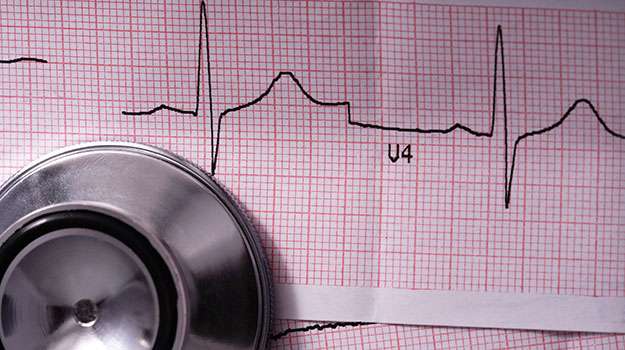
A transesophageal echocardiogram (TEE) provides clearer images of your heart than traditional echocardiograms by using a probe inserted into the esophagus. This approach enhances visualization around structures difficult to assess externally
- Tremors such as unexplained strokes may lead healthcare providers to recommend TEE for accurate analysis of cardiac sources of embolism.
- The procedure involves sedation while placing a flexible tube down your throat; it takes approximately 30-90 minutes and generally requires minimal recovery time afterward
- Medical professionals might use findings from TEE to decide on further treatments ranging from anticoagulant therapy to surgical interventions if necessary
- This approach highlights abnormalities in valves or atrial septal defects which conventional ultrasounds might miss both allowing targeted diagnostic assessment
A transesophageal echocardiogram represents significant advancement in diagnostic cardiology offering unparalleled insight into cardiac conditions safely
HOLTER MONITOR
A Holter monitor is a portable device that continuously records your heart's rhythms for 24 hours or more. It plays a pivotal role in detecting irregularities in heartbeat patterns over time.
- Patients might experience symptoms like palpitations or dizziness that warrant this continuous monitoring approach.
- The monitoring process involves wearing electrodes attached to the skin that send data to a small recording device carried by the patient.
- If irregularities are detected during monitoring, potential treatments could include new medications or lifestyle modifications tailored to manage arrhythmias effectively.
- This method provides thorough insights that short-term tests cannot achieve alone by capturing data during daily activities and sleep cycles.
Utilizing a Holter monitor ensures comprehensive assessment of cardiac function over an extended period for precise intervention when needed.
CORONARY ANGIOGRAPHY
Coronary angiography is an imaging technique that visualizes the blood vessels supplying the heart. This procedure plays a vital role in diagnosing coronary artery diseases accurately.
- Indications for this test may include chest pain or it could be part of an evaluation following an abnormal stress test result.
- A catheter is inserted into the blood vessel and guided to the coronary arteries where contrast dye highlights blockages on X-ray images.
- Treatment based on angiography results could involve medication, angioplasty, or bypass surgery depending on blockage severity.
- This procedure allows doctors to observe real-time blood flow issues affecting heart health directly.
Certainly informative, coronary angiography can significantly influence treatment strategies aimed at improving cardiovascular outcomes.
STRESS TEST
A stress test evaluates how well your heart functions under physical exertion. It helps identify issues that may not be noticeable during rest and is crucial for assessing cardiovascular fitness.
- Symptoms such as chest pain or abnormal heartbeat can prompt a doctor to recommend a stress test.
- During the test, patients are typically asked to walk on a treadmill or use a stationary bike while their heart's activity is monitored via EKG.
- If abnormalities are detected, management strategies may include medication adjustments or lifestyle changes.
- This evaluation provides critical information about cardiac performance during exertion, often revealing conditions like coronary artery disease.
A stress test is an effective way to gather insights about your heart’s condition and guide future care decisions.
ECHOCARDIOGRAM
An echocardiogram is a non-invasive imaging test that utilizes sound waves to produce detailed images of the heart's structure and function. This procedure is essential for diagnosing various heart conditions and evaluating heart health.
- Common symptoms indicating the need for an echocardiogram include shortness of breath, chest pain, or fatigue.
- The diagnosis involves conducting the test while monitoring the patient's heartbeat and assessing blood flow through the heart chambers.
- Treatment options may vary based on findings from the echocardiogram, including lifestyle changes, medications, or further interventions.
- Patients can expect a painless procedure lasting about 30 to 60 minutes with no side effects.
- It helps to detect issues like valve problems, heart murmurs, or congenital heart defects.
This important diagnostic tool offers valuable insights into cardiovascular health and informs subsequent treatment plans.