
Dr Tulika
About Me
Dr Tulika
MBBS
Podiatrist
10 Years Experience
Biography
My Clinic
OPD Hours
| Monday | Morning | 10:00 AM | - | 02:00 PM |
| Evening | 06:00 PM | - | 09:00 PM | |
| Tuesday | Morning | 10:00 AM | - | 02:00 PM |
| Evening | 06:00 PM | - | 09:00 PM | |
| Wednesday | Morning | 10:00 AM | - | 02:00 PM |
| Evening | 06:00 PM | - | 09:00 PM | |
| Thursday | Morning | 10:00 AM | - | 02:00 PM |
| Evening | 06:00 PM | - | 09:00 PM | |
| Friday | Morning | 10:00 AM | - | 02:00 PM |
| Evening | 06:00 PM | - | 09:00 PM | |
| Saturday | Morning | 10:00 AM | - | 02:00 PM |
| Evening | 06:00 PM | - | 09:00 PM | |
| Sunday | Morning | 10:00 AM | - | 02:00 PM |
| Evening | 06:00 PM | - | 09:00 PM |
Treatments
Specialised care and treatments offered
HAMMER TOES
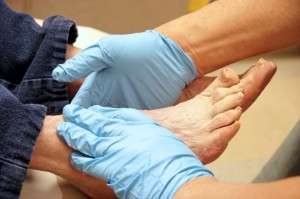
This condition occurs when one or more toes become bent at their middle joint resembling a hammer shape. It often results from muscle imbalances leading to altered toe positions over time
- The primary symptom consists of visible deformity accompanied by discomfort while wearing shoes suggesting pressure points arise due mainly from structural changes
- Diagnosis typically relies upon thorough clinical examinations evaluating toe flexibility movement capacity coupled alongside detailed patient recounting complaints
- Management strategies primarily emphasize shoe modifications opting towards roomy designs coupled alongside splinting mechanisms guiding joints back into anatomical alignment
The vast majority find these conservative recommendations successful reinstating comfort enabling freedom within daily life once again
NEUROMAS (MORTON'S NEUROMA)
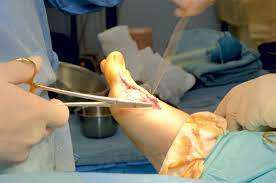
A neuroma refers to a benign growth covering a nerve in your foot. Morton's neuroma specifically impacts nerves between toes often leading to acute pain sensations in that area.
- You might experience tingling or burning sensations near your toes combined with sharp pain while walking or wearing tight shoes.
- The diagnosis process usually involves clinical evaluation alongside diagnostic imaging if deemed necessary for comprehensive assessment purposes .
- Treatment approaches generally prioritize symptom management through footwear adjustments coupled with anti-inflammatory medications; injections could possibly relieve acute flare-ups .
- Physical therapy interventions focusing on stretching improve overall foot muscle tone around affected areas .
If approached early enough through these methods many find relief from annoying symptoms sans surgery
ACHILLES TENDINITIS
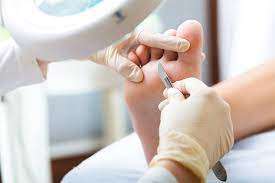
This condition involves inflammation of the Achilles tendon located at the back of your ankle. It can lead to pain and stiffness that typically worsen with activity or prolonged use.
- Main symptoms include localized pain above your heel that may be more pronounced during exercise or after periods of inactivity.
- An accurate diagnosis usually requires a clinical evaluation along with imaging studies if necessary to assess tendon integrity.
- Treatment focuses on reducing inflammation through rest, ice applications, stretching techniques, and possibly physical therapy tailored to rehabilitation exercises.
- Supportive footwear can alleviate strain on your tendon while promoting recovery as well as modifications in physical activity levels during healing stages.
If managed properly early on, most people recover fully without significant long-term impact on activities they enjoy.
BUNIONS
A bunion is a bony bump that forms at the base of the big toe, often causing significant discomfort. This condition develops when there is an imbalance in forces placed on the joint over time.
- Symptoms typically involve swelling, redness, and persistent pain around the affected joint.
- A comprehensive assessment often confirms diagnosis through visual inspection supplemented by X-rays to evaluate severity.
- Management commonly includes wearing wider shoes, using padding or orthotic devices for better support, and anti-inflammatory medications for pain relief.
- Certain exercises might help in improving joint mobility and strength around the bunion area.
- Surgical intervention is usually reserved for severe cases not amenable to conservative treatment options.
With early detection and appropriate care strategies, many individuals successfully manage their symptoms without surgery.
FLAT FEET (PES PLANUS)
Flat feet occur when the arches of the feet collapse, leading to a flat appearance. This condition can lead to discomfort and issues with posture or alignment over time.
- Symptoms may include foot fatigue, swelling, and pain along the arch or heel area.
- A physical examination is often sufficient for diagnosis; you may also be asked about your family history and any associated symptoms.
- Treatment generally consists of supportive footwear and custom orthotics designed to provide arch support.
- Certain exercises focused on strengthening foot muscles can also alleviate discomfort and enhance stability.
- In rare cases where conservative treatments fail, surgical options might be considered for realignment.
Most people find effective relief with non-invasive measures, allowing them to continue their daily routines comfortably.
PLANTAR FASCIITIS
Plantar fasciitis is a common cause of heel pain that can significantly affect daily activities. It occurs due to inflammation of the thick band of tissue at the bottom of the foot, called the fascia.
- Common symptoms include sharp heel pain, especially with the first steps in the morning or after prolonged sitting.
- Diagnosis typically involves a physical examination and may include imaging tests to rule out other conditions.
- Treatment options focus on relieving pain and inflammation, which may include stretching exercises, orthotic inserts, and NSAIDs.
- Physical therapy can be beneficial in strengthening the supporting muscles of the foot.
- Surgery is rarely needed and is considered only for severe cases unresponsive to conservative treatment.
With appropriate management, most individuals experience significant relief and can return to normal activities without discomfort.