
Dr Turakhias Deepak Prabhudas
About Me
Dr Turakhias Deepak Prabhudas
Cardiologist
Biography
My Clinic
OPD Hours
| Tuesday | Morning | 10:00 AM | - | 02:00 PM |
| Evening | 06:00 PM | - | 09:00 PM | |
| Wednesday | Morning | 10:00 AM | - | 02:00 PM |
| Evening | 06:00 PM | - | 09:00 PM | |
| Thursday | Morning | 10:00 AM | - | 02:00 PM |
| Evening | 06:00 PM | - | 09:00 PM | |
| Friday | Morning | 10:00 AM | - | 02:00 PM |
| Evening | 06:00 PM | - | 09:00 PM | |
| Saturday | Morning | 10:00 AM | - | 02:00 PM |
| Evening | 06:00 PM | - | 09:00 PM | |
| Sunday | Morning | 10:00 AM | - | 02:00 PM |
| Evening | 06:00 PM | - | 09:00 PM | |
| Thursday | Morning | 10:00 AM | - | 02:00 PM |
| Evening | 06:00 PM | - | 09:00 PM |
Treatments
Specialised care and treatments offered
PERIPHERAL ARTERY DISEASE

This condition concerns narrowing arteries that supply blood to limbs mainly legs causing discomfort upon walking or exercising. Its importance lies within necessary intervention given its association with cardiovascular events elsewhere in body too!
- Mainly presents through leg cramps during activity (intermittent claudication), coldness sensation differentials between sides; wounds healing slower than usual are also indicative signs requiring attention here too!
- Detection procedure rests upon non-invasive techniques namely Doppler ultrasound assessments reviewing arterial circulation patterns respectively across areas observed encompassing problematic spots adequately!
- Recovery hinges primarily upon cessation habits post diagnosis melded seamlessly alongside pharmacological approaches possibly coupled together alongside surgical options if deemed suitable based upon individual circumstances surrounding patient profiles encountered!
- Expect followed involutions revolving around integrating physical rehabilitation paired jointly coordinating nutritional interventions aligning mutual goals towards maximizing efficiency restoring flow throughout systems unto wellness converged !
Understanding implications early proves fatality mitigating assuring empowerment taking charge primally combating PAD holistically transforming lifestyles fully realized henceforth onwards.
VALVULAR HEART DISEASE
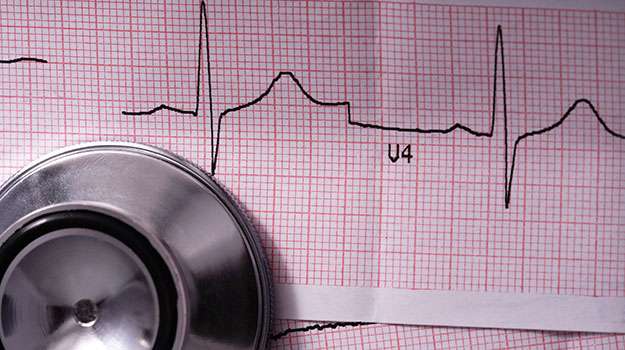
This type of heart disease affects one or more valves in your heart impacting its function. Valvular diseases may either cause stenosis (narrowing) or regurgitation (leaky valve), both having distinct implications for heart performance
- The symptoms, depending on severity include fatigue during activities along with swelling due fluids accumulating in body tissues over time!
- Diagnosing this issue follows similar routes such as echocardiograms relying heavily upon imaging studies!
- Treatment strategies differ widely: mild cases might require monitoring while substantial dysfunction could necessitate surgical interventions including valve repair/replacement!
- It’s vital you understand how lifestyle factors play a role—diet & avoiding smoking contribute positively toward outcomes too!
Living effectively requires understanding how Valvular Heart Disease impacts you personally while adhering strictly prescribed regimens leading ultimately successful trajectories outwardly towards health all around!
HYPERTENSION
Hypertension or high blood pressure is often termed the 'silent killer' because it may not show any symptoms until significant damage has occurred. It’s crucial to monitor your blood pressure regularly for early detection and management.
- The main contributors include poor diet high in salt/sugar, lack of physical activity, obesity, smoking habits ,and excessive alcohol use.
- A routine checkup along with blood tests helps diagnose hypertension accurately based on repeated readings over time rather than one-time measurements alone!
- Treatment usually starts with lifestyle changes such as exercise and diet before progressing onto medications like diuretics or ACE inhibitors if needed!
- Your prognosis improves dramatically when following prescribed treatment plans consistently!
A proactive approach can prevent severe complications associated with uncontrolled hypertension - stay informed!
ATRIAL FIBRILLATION
Atrial fibrillation (AFib) is an irregular heartbeat that can lead to complications if not effectively managed. It arises when electrical impulses in the heart become disorganized, causing rapid Heart rates which can be uncomfortable.
- The main symptoms often include a fluttering feeling in the chest, dizziness, weakness, or shortness of breath.
- A ECG test is primary for diagnosing AFib alongside patient history evaluation and additional tests if necessary.
- Treatment may involve medication management including anticoagulants to prevent stroke risk along with approaches like cardioversion or ablation depending on severity.
- Lifestyle adjustments such as reducing caffeine intake and managing stress are beneficial in alleviating symptoms.
- Your journey with AFib will require ongoing management efforts but many patients lead normal lives with proper care protocols in place.
An effective treatment strategy empowers you to manage AFib confidently while lowering health risks associated with this condition.
HEART FAILURE
Heart failure occurs when the heart cannot pump sufficient blood to meet the body's needs. This condition can develop gradually over time due to various underlying issues like coronary artery disease or high blood pressure.
- Common symptoms include extreme fatigue, swelling in the legs/ankles, difficulty breathing during exertion, and persistent cough.
- A thorough diagnosis includes a review of symptoms, physical exams, and tests such as EKGs or cardiac MRIs.
- Treatment usually involves lifestyle modifications, medications like ACE inhibitors or beta-blockers, and sometimes devices to help manage heart function.
- You may also be advised on dietary changes to help reduce fluid retention.
- You can expect a tailored plan that focuses on improving quality of life while addressing the root causes of your condition.
A comprehensive approach will enhance your ability to live actively even with heart failure.
CORONARY ARTERY DISEASE
Coronary artery disease (CAD) is a condition that affects the heart's blood vessels, leading to reduced blood flow and oxygen to the heart muscle. This can result in chest pain or discomfort known as angina, and may increase the risk of heart attacks.
- Symptoms often include chest pain, shortness of breath, fatigue, and palpitations.
- Diagnosis typically involves a physical examination, stress tests, echocardiograms, or angiograms.
- Treatment options can range from lifestyle changes and medications to surgical procedures like angioplasty or bypass surgery.
- Management strategies often focus on controlling risk factors such as high blood pressure, cholesterol levels, and diabetes.
- What to expect: Regular follow-up care is crucial for monitoring your condition and preventing complications.
Getting timely treatment for CAD is essential for maintaining heart health and overall well-being.