
Dr Tushar Prabhakar Medhekar
About Me
Dr Tushar Prabhakar Medhekar
Cardiologist
Biography
My Clinic
OPD Hours
| Tuesday | Morning | 10:00 AM | - | 02:00 PM |
| Evening | 06:00 PM | - | 09:00 PM | |
| Wednesday | Morning | 10:00 AM | - | 02:00 PM |
| Evening | 06:00 PM | - | 09:00 PM | |
| Thursday | Morning | 10:00 AM | - | 02:00 PM |
| Evening | 06:00 PM | - | 09:00 PM | |
| Friday | Morning | 10:00 AM | - | 02:00 PM |
| Evening | 06:00 PM | - | 09:00 PM | |
| Saturday | Morning | 10:00 AM | - | 02:00 PM |
| Evening | 06:00 PM | - | 09:00 PM | |
| Sunday | Morning | 10:00 AM | - | 02:00 PM |
| Evening | 06:00 PM | - | 09:00 PM | |
| Thursday | Morning | 10:00 AM | - | 02:00 PM |
| Evening | 06:00 PM | - | 09:00 PM |
Treatments
Specialised care and treatments offered
CHOLESTEROL MANAGEMENT

The presence of high levels of cholesterol in the bloodstream increases the risk significantly for cardiovascular diseases. Effective management hinges on understanding how cholesterol functions within your body alongside necessary interventions needed based upon each individual case’s situation .
- Symptoms: Usually no distinct symptoms occur unless there are complications arising from plaque buildup leading potentially towards cardiovascular issues.
- Causes: hyperlipidemia stem from factors such as poor dietary choices, lack of exercise, and genetic predispositions. s
VALVULAR HEART DISEASE
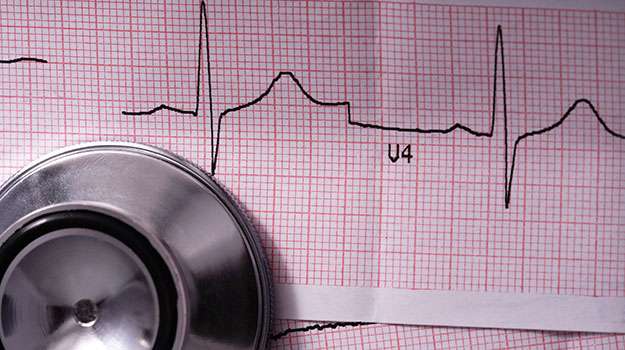
This encompasses disorders involving any one of the four heart valves that regulate blood flow within your heart. Dysfunctional valves can cause disturbances leading either to stenosis (narrowing) or regurgitation (leakage).
- Symptoms: Symptoms vary depending on severity but may present as palpitations, fatigue, difficulty breathing, or swelling in feet/ankles.
- Causes: Common causes include congenital valve defects, aortic stenosis, or rheumatic fever.
- Diagnosis: This condition requires thorough evaluation through echocardiograms, stress tests, or cardiac catheterization.
- Treatment Options: Management might involve medication therapy aimed at symptom relief; in advanced cases surgical procedures like valve repair/replacement may be required.
- What to Expect: With careful monitoring, many patients achieve significant improvement post treatment while minimizing their overall risks.
If diagnosed early enough, you will likely benefit greatly from personalized care plans based on your unique needs.
HEART FAILURE
This chronic condition occurs when the heart cannot pump efficiently enough to meet the body's needs. Heart failure can affect anyone but is more common in older adults due to various underlying conditions
.- Symptoms: Typical signs include fatigue during normal activities , persistent coughing , fluid retention resulting in swelling , especially in legs / ankles , and shortness of breath .
- Causes: Heart failure often results from conditions like coronary artery disease , hypertension , diabetes , valve disorders , or previous heart attacks .
- Diagnosis: It usually involves a physical examination followed by tests such as echocardiograms , chest X-rays , or blood tests .
- Treatment Options: Management focuses on controlling symptoms through lifestyle modifications along with medications aimed at enhancing heart function ; in severe cases surgical options may be considered .
- What to Expect: People living with heart failure need ongoing medical supervision but can lead fulfilling lives by sticking closely to treatment plans .
Engaging actively with your healthcare provider enables effective management tailored specifically for your individual requirements .
ATRIAL FIBRILLATION
Atrial fibrillation (AFib) is a common arrhythmia characterized by rapid and irregular beating of the atrial chambers in the heart. It can lead to various complications if not managed appropriately.
- Symptoms: Patients may notice palpitations, dizziness, fatigue, shortness of breath, or chest discomfort during episodes of AFib.
- Causes: It can be caused by heart disease but also by other conditions like hyperthyroidism or excessive alcohol consumption.
- Diagnosis: This condition is typically diagnosed using an electrocardiogram (ECG), which records the heart's electrical activity for abnormalities associated with AFib.
- Treatment Options: Treatment may include medications to control heart rate/rhythm and anticoagulants to prevent strokes; procedures like cardioversion might be necessary in some cases.
- What to Expect: Many patients successfully manage their condition with treatment while leading active lives; however regular medical check-ups are essential for ongoing care.
If you experience any symptoms linked with AFib consult a healthcare professional promptly for evaluation and management options tailored just for you.
CORONARY ARTERY DISEASE
This condition occurs when the arteries supplying oxygen-rich blood to the heart become narrowed or blocked due to plaque buildup. Over time, this can lead to severe heart complications.
- Symptoms: Common signs include chest pain (angina), shortness of breath, fatigue during physical activity, or even heart attacks in more severe cases.
- Causes: Major risk factors consist of high cholesterol levels, diabetes, smoking, high blood pressure, and family history.
- Diagnosis: Physicians may use tests such as ECGs (electrocardiograms), stress tests, or coronary angiography for an accurate diagnosis.
- Treatment Options: Management strategies could include medication like statins or beta-blockers and lifestyle changes; severe cases might require interventions such as angioplasty or bypass surgery.
- What to Expect: With proper treatment and lifestyle modifications, patients can manage symptoms effectively and improve their quality of life considerably.
Catching coronary artery disease early allows for better outcomes and prevention of further complications.
HYPERTENSION
Hypertension, commonly known as high blood pressure, is a serious condition that can lead to significant health issues if left untreated. It often develops over many years and can go unnoticed for long periods.
- Symptoms: Many individuals with hypertension do not experience symptoms, which is why it is often termed the 'silent killer.' Some may experience headaches, shortness of breath, or nosebleeds.
- Causes: Factors contributing to high blood pressure include obesity, a sedentary lifestyle, excessive salt intake, smoking, and genetics.
- Diagnosis: Hypertension is diagnosed through regular monitoring of blood pressure levels using a sphygmomanometer. A reading consistently above 130/80 mmHg typically indicates hypertension.
- Treatment Options: Management may involve lifestyle changes such as diet and exercise along with medications like diuretics, ACE inhibitors, or beta-blockers.
- What to Expect: With effective management, individuals can reduce their blood pressure and lower the risk of heart disease or stroke. Regular follow-ups are essential to monitor progress.
If you suspect you have high blood pressure or have been diagnosed with it, early intervention can help maintain your health effectively.
FAQs
Why are regular follow-up appointments important?
Are certain age groups more susceptible towards cardiac issues?
'How do I know if I'm at risk for developing hypertension?'
'I feel fine; do I still need annual check-ups?'
What dietary changes should I consider for better heart health?
You should opt for balanced meals rich lean proteins & whole grains alongside ample fruits & vegetables while reducing saturated fats & sodium intake where possible!