
Dr Tushar R Jimulia
About Me
Dr Tushar R Jimulia
General Physician
Biography
My Clinic
OPD Hours
| Tuesday | Morning | 10:00 AM | - | 02:00 PM |
| Evening | 06:00 PM | - | 09:00 PM | |
| Wednesday | Morning | 10:00 AM | - | 02:00 PM |
| Evening | 06:00 PM | - | 09:00 PM | |
| Thursday | Morning | 10:00 AM | - | 02:00 PM |
| Evening | 06:00 PM | - | 09:00 PM | |
| Friday | Morning | 10:00 AM | - | 02:00 PM |
| Evening | 06:00 PM | - | 09:00 PM | |
| Saturday | Morning | 10:00 AM | - | 02:00 PM |
| Evening | 06:00 PM | - | 09:00 PM | |
| Sunday | Morning | 10:00 AM | - | 02:00 PM |
| Evening | 06:00 PM | - | 09:00 PM | |
| Thursday | Morning | 10:00 AM | - | 02:00 PM |
| Evening | 06:00 PM | - | 09:00 PM |
Treatments
Specialised care and treatments offered
CHRONIC FATIGUE SYNDROME EVALUATION
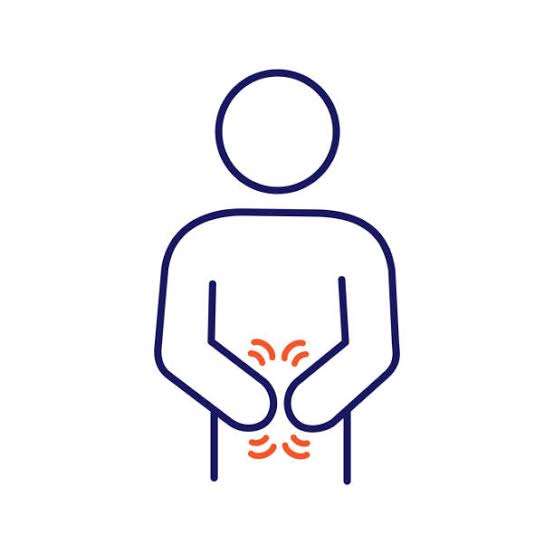
This illness encompasses persistent fatigue lasting six months or more without clear reason hinder normal functioning significantly impacting patients' lives daily. Understanding causes & effective measures prove vital towards improvement!
g- < strong Symptoms: Often characterized profound tiredness accompanying memory problems-depression heightened sensitivity undergoing slight exertion triggers varieties likewise debilitating incidents experienced frequently ongoing!
- < strong Causes: The etiology remains largely ambiguous attributed several possibilities-infections immune dysfunctions psychological components presenting intertwined challenges needing thorough evaluations differentiate accurately diagnosed!
- < strong Diagnosis: Careful assessments conducted addressing complete clinical visits ruling primary diseases followed-up evidential particularities derived from patient's history contributing revealing patterns correlating perceived hardships encountered across mundane movements amidst complaints shared internally.
- < strong Treatment Options: Therapeutic inclinations inclined towards holistic perspectives-encompass rest techniques prioritizing stress management gradually adapt encourage complementary therapies improve quality living garner attentiveness without overwhelming participants subjected routinely!
- < strong What To Expect: Effectively initiating strategic alliances fosters development willingness face limitations prospective hopes transforming future aspirations reality underpinning envisioned outputs indulging precious moments revitalized healing obtained authentically deserved!
WEIGHT MANAGEMENT SUPPORT

The challenge of maintaining a healthy weight remains prominent due to lifestyle habits influenced by present-day convenience culture. Effective weight management plays an essential role in enhancing overall health quality over time!
STRESS MANAGEMENT

Stress has become a prevalent issue affecting many aspects of health today. It can manifest physically and emotionally if not addressed adequately with appropriate measures taken timely.
- Symptoms: Signs include anxiety or tension headaches; irritability; changes in appetite; fatigue; sleep disturbances like insomnia are common among those experiencing high stress levels.
- Causes: Stressors vary widely—from work pressures and relationship challenges—to financial concerns or major life transitions influencing mental well-being significantly over time!
- Diagnosis: Assessing stress levels often involves discussions about recent experiences-and evaluating emotional state through questionnaires might provide additional insights into personal thresholds regarding pressure coping mechanisms!
An informed approach enables individuals facing stressful situations access tools necessary foster resilience throughout turbulent times involved within daily living again successfully!
ALLERGY MANAGEMENT

Allergies occur when the immune system reacts abnormally to substances known as allergens. Various factors in daily life may trigger allergic reactions in susceptible individuals.
- Symptoms: Common reactions include sneezing, itching eyes/nose/throat, skin rashes (like hives), and respiratory issues such as asthma attacks or wheezing.
- Causes: Allergens can range from pollen and dust mites to certain foods and animal dander. Environmental conditions play an important role too.
- Diagnosis: Allergy testing via skin or blood tests helps identify specific allergens responsible for triggering reactions in patients.
- Treatment Options: Management usually involves avoiding known allergens where possible; antihistamines and immunotherapy (allergy shots) are commonly used treatments as well.
- What to Expect: While it may be challenging to completely eliminate allergies from life’s landscape—effective management promotes comfort and safety in everyday activities.
An individualized plan is essential for navigating allergies successfully while minimizing discomfort effectively.
DIABETES PREVENTION

Diabetes is a chronic condition that occurs when the body cannot effectively use insulin. Pre-diabetes is a significant risk factor for developing Type 2 diabetes; hence prevention is crucial for maintaining health.
- Symptoms: Common signs include increased thirst, frequent urination, fatigue, and blurred vision; however, many may not notice these early indicators.
- Causes: Major contributors include obesity, sedentary lifestyle, genetic predisposition, and poor dietary choices.
- Diagnosis: Blood sugar levels are typically measured through fasting blood glucose tests or oral glucose tolerance tests for detection.
- Treatment Options: Preventative strategies focus on weight management through nutritional education and regular exercise routines tailored to individual capabilities.
- What to Expect: Committing to healthier habits can significantly lower the risk of developing diabetes while promoting overall well-being—many find improved energy levels as a positive outcome.
A proactive approach in managing risk factors greatly benefits long-term health outcomes related to diabetes.
HYPERTENSION MANAGEMENT
High blood pressure, or hypertension, is a common condition that can lead to serious health issues if left uncontrolled. It often goes unnoticed due to mild or no symptoms, making regular monitoring essential.
- Symptoms: Many individuals experience no symptoms, but severe cases may lead to headaches, shortness of breath, or nosebleeds.
- Causes: Factors include genetics, poor diet, lack of physical activity, and excessive alcohol consumption.
- Diagnosis: Blood pressure readings during routine check-ups are the primary diagnostic tool. Additional tests may be performed if high readings are consistently observed.
- Treatment Options: Management strategies often involve lifestyle changes such as adopting a balanced diet, increased physical activity, stress reduction techniques, and sometimes medication.
- What to Expect: With appropriate lifestyle modifications and adherence to treatment plans, most individuals can effectively manage their hypertension and reduce associated risks.
The aim of this treatment is not just to lower blood pressure but also to enhance overall health and well-being.