
Dr Tushar Telvekar
About Me
Dr Tushar Telvekar
Internal Medicine
Biography
My Clinic
OPD Hours
| Tuesday | Morning | 10:00 AM | - | 02:00 PM |
| Evening | 06:00 PM | - | 09:00 PM | |
| Wednesday | Morning | 10:00 AM | - | 02:00 PM |
| Evening | 06:00 PM | - | 09:00 PM | |
| Thursday | Morning | 10:00 AM | - | 02:00 PM |
| Evening | 06:00 PM | - | 09:00 PM | |
| Friday | Morning | 10:00 AM | - | 02:00 PM |
| Evening | 06:00 PM | - | 09:00 PM | |
| Saturday | Morning | 10:00 AM | - | 02:00 PM |
| Evening | 06:00 PM | - | 09:00 PM | |
| Sunday | Morning | 10:00 AM | - | 02:00 PM |
| Evening | 06:00 PM | - | 09:00 PM | |
| Thursday | Morning | 10:00 AM | - | 02:00 PM |
| Evening | 06:00 PM | - | 09:00 PM |
Treatments
Specialised care and treatments offered
ANEMIA EVALUATION
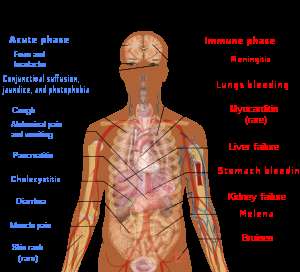
Anemia signifies a deficiency in red blood cells or hemoglobin leading to insufficient oxygen transportation across bodily tissues. Identifying types helps tailor appropriate treatment options suitable for individual needs!
- Symptoms: Affected individuals often report fatigue, pallor, dizziness even potentially shortness-of-breath during exertion periods.
- Causes: This condition may arise from nutritional deficiencies (iron/folate), chronic diseases (kidney failure), loss/excessive breakdown rates resulting from conditions affecting blood formation itself.
- Diagnosis: Blood tests determining hemoglobin concentrations alongside further evaluations assist clinicians comprehensively understand each unique case presented before them!
- Treatment: Nutritional supplementation focusing primarily upon specific deficits found; transfusions used when critical thresholds indicate severe forms arising abruptly needing immediate attention addressed directly by professionals swiftly!!< / l i < br /> < l i < span style = 'font-weight:bold;'> What To Expect : Effective interventions ideally promote recovery paths fostering stronger lifestyles leading towards greater resilience against future occurrences altogether! < span /> < l i/> < ul/> < s : dangerously disregard early indications related implications preventative measures implemented swiftly depending circumstances encountered shall prove beneficial immensely!!< p />
GOUT MANAGEMENT
An inflammatory arthritis known as gout occurs due to excess uric acid crystallizing in joints. This painful condition requires awareness of triggers for effective management strategies over time.
- Symptoms: Intense joint pain typically strikes suddenly; affected areas become inflamed and sore.
- Causes: Dietary choices such as consuming red meats or alcohol exacerbate this issue alongside underlying metabolic disorders.
- Diagnosis: Joint fluid analysis confirms gout by identifying urate crystals present; elevated serum uric acid levels serve as additional indicators.
- Treatment: Acute attacks manage pain using NSAIDs while long-term care focuses on lifestyle changes plus medications aimed at lowering uric acid production.
- What to expect: Adopting an informed approach minimizes attack frequency while maintaining joint function throughout life’s activities.
Your compliance with self-care techniques plays a pivotal role in defining your overall experience dealing with gout effectively!
HYPERLIPIDEMIA
This refers to elevated levels of lipids (fats) in the blood. Hyperlipidemia can increase your risk for heart disease and stroke if not properly managed. Awareness of this condition is essential for long-term cardiovascular health maintenance.
- Causative factors:The condition can be caused by genetic predisposition coupled with poor diet high in saturated fats and low physical activity levels.
- Symptoms: Most people do not experience any symptoms until complications arise.
- Diagnosis: Blood tests measure lipid levels during routine check-ups.
- Treatment: Lifestyle modifications such as improved diet are recommended; medications like statins may be prescribed for severe cases.
- What to expect: With adherence to treatment plans including regular monitoring, lipid levels can be significantly reduced over time.
Effectively addressing hyperlipidemia contributes significantly toward reducing heart disease risks.
RESPIRATORY INFECTIONS
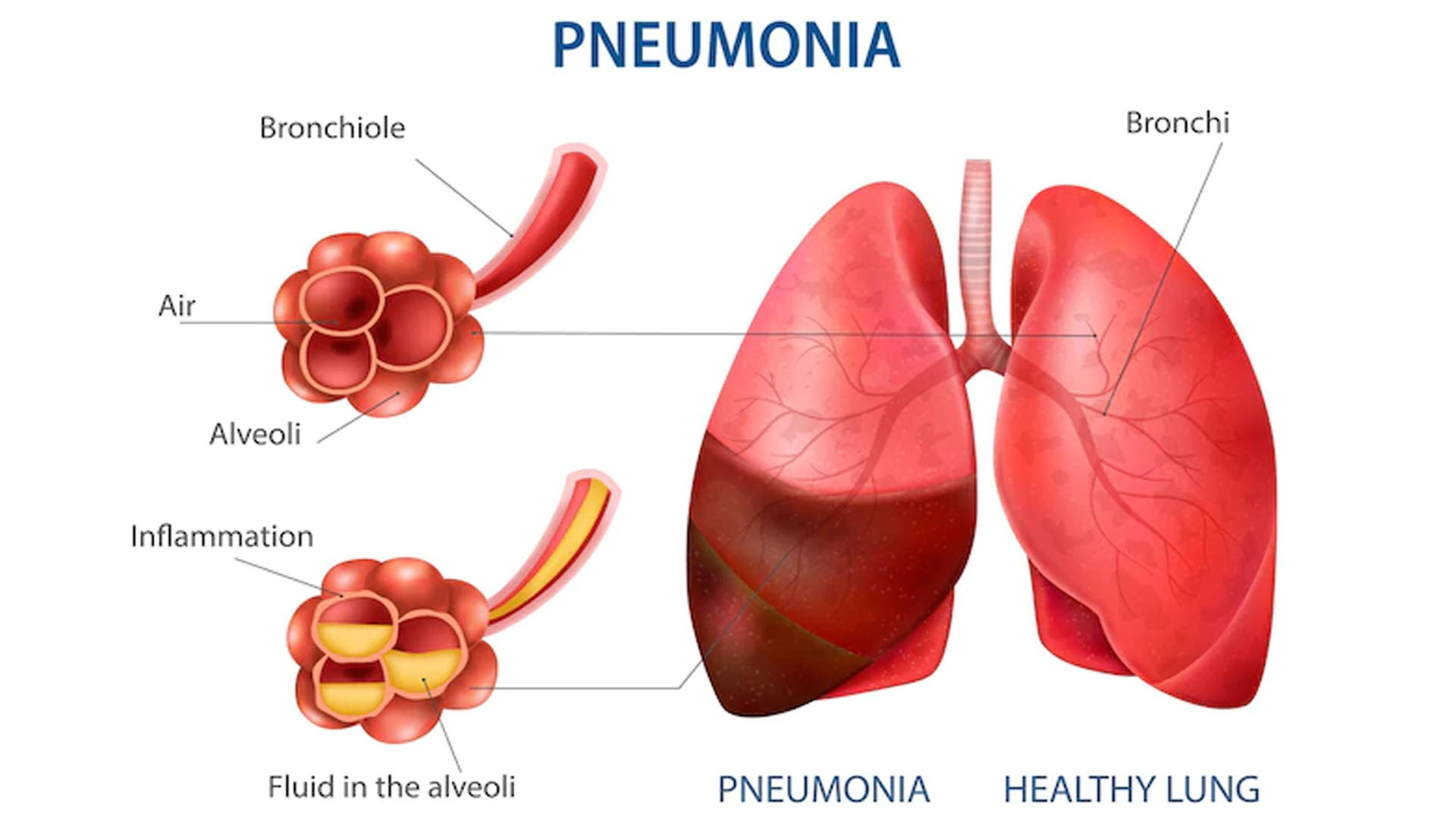
Respiratory infections encompass a range of ailments affecting the airways and lungs, commonly caused by viruses or bacteria. They can vary significantly in severity from mild colds to serious pneumonia.
- Symptoms: Common indicators include coughing, sore throat, fever, and difficulty breathing in some cases.
- Causes: Infectious agents like viruses (e.g., flu) and bacteria (e.g., streptococcus) are typically responsible for these infections.
- Diagnosis: Doctors may perform physical exams along with chest X-rays or sputum tests to identify the cause accurately.
- Treatment: Options depend on the cause; viral infections often require rest and hydration while bacterial infections may necessitate antibiotics.
- What to expect: Many respiratory infections resolve within weeks with proper care but require attention if symptoms worsen or persist longer than expected.
Timely intervention is key to managing respiratory health effectively.
DIABETES MANAGEMENT
Diabetes is a chronic condition that affects how your body metabolizes sugar (glucose). Understanding your diabetes type—Type 1 or Type 2—is crucial for effective management.
- Symptoms: Increased thirst, frequent urination, fatigue, and blurred vision are common signs.
- Causes: Genetics, obesity, and sedentary lifestyle are key contributors to the development of Type 2 diabetes.
- Diagnosis: Glucose testing and HbA1c measurements help determine blood sugar levels for accurate diagnosis.
- Treatment: Management includes dietary changes, exercise programs, and possibly insulin therapy or oral medications depending on severity.
- What to expect: Regular follow-ups help prevent complications such as neuropathy or cardiovascular disease through consistent monitoring and adjustment of treatment plans.
A proactive approach can greatly enhance your quality of life while living with diabetes.
HYPERTENSION
Hypertension, or high blood pressure, is a common condition that can lead to serious health issues if left unmanaged. It often has no symptoms, which is why it's crucial to have regular check-ups.
- Causes: Factors include obesity, lack of physical activity, excessive salt intake, and high stress.
- Symptoms: Most individuals might not experience noticeable symptoms; however, some may suffer headaches or shortness of breath.
- Diagnosis: Blood pressure readings are taken at various intervals to confirm hypertension; additional tests may assess organ function.
- Treatment: Options include lifestyle changes such as diet and exercise, along with medications like diuretics or ACE inhibitors.
- What to expect: Regular monitoring and appropriate adjustments in treatment can significantly lower blood pressure and reduce the risk of complications.
Managing hypertension effectively requires lifelong commitment but can lead to a healthier life overall.