
Dr Tvacha
About Me
Dr Tvacha
Dermatologist
Biography
My Clinic
OPD Hours
| Tuesday | Morning | 10:00 AM | - | 02:00 PM |
| Evening | 06:00 PM | - | 09:00 PM | |
| Wednesday | Morning | 10:00 AM | - | 02:00 PM |
| Evening | 06:00 PM | - | 09:00 PM | |
| Thursday | Morning | 10:00 AM | - | 02:00 PM |
| Evening | 06:00 PM | - | 09:00 PM | |
| Friday | Morning | 10:00 AM | - | 02:00 PM |
| Evening | 06:00 PM | - | 09:00 PM | |
| Saturday | Morning | 10:00 AM | - | 02:00 PM |
| Evening | 06:00 PM | - | 09:00 PM | |
| Sunday | Morning | 10:00 AM | - | 02:00 PM |
| Evening | 06:00 PM | - | 09:00 PM | |
| Thursday | Morning | 10:00 AM | - | 02:00 PM |
| Evening | 06:00 PM | - | 09:00 PM |
Treatments
Specialised care and treatments offered
SKIN CANCER SCREENING
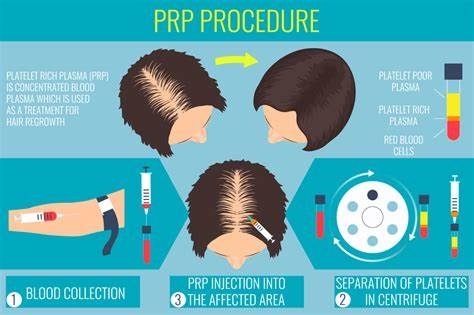
This critical evaluation process aims to detect early signs of skin cancer before it progresses significantly. Early identification greatly enhances treatment outcomes!
- Causes: Exposure over time significantly influences melanoma risk: prolonged sun exposure without protection remains noteworthy alongside genetic predispositions increasing likelihood as well! .'
ACNE
This prevalent skin condition primarily affects teenagers but can continue into adulthood. Acne arises from clogged pores leading to pimples or cysts on the skin surface.
- Symptoms: Presence of blackheads/whiteheads; inflamed red spots sometimes filled with pus indicating infection.; potential scarring if not treated properly.
- Causes: Excess oil production combined with bacteria build-up within pores triggers acne formations alongside hormonal fluctuations during puberty/menstruation.
- Diagnosis: Typically based on visible signs during examination; severity classified into mild/moderate/severe forms guiding treatment direction accordingly.
- Treatment options: Topical retinoids/benzoyl peroxide solutions fight bacteria while systemic antibiotics address severe cases—hormonal therapies may be recommended for women experiencing cyclical breakouts.
- Expectations: Consistency enhances control over breakouts—most individuals witness notable improvement within weeks/months following treatment initiation!
Tackling acne involves both topical interventions coupled with lifestyle changes aimed at reducing triggering factors ensuring healthier looking skin overall!
FUNGAL INFECTIONS
Fungal infections of the skin are caused by various fungi leading to unsightly and uncomfortable symptoms. Common types include athlete's foot and ringworm.
- Symptoms: Itching or burning sensation; redness along with flaky skin; development of circular rashes with clear centers in some cases.
- Causes: Occur when fungi infect warm moist areas like feet or groin; spread through direct contact or contaminated surfaces.
- Diagnosis: Observed via physical examination; sometimes scrapings sent for lab analysis.
- Treatment options: Antifungal creams/medications used regularly; keeping affected areas clean and dry aids recovery significantly.
- What to expect: With proper treatment adherence, fungal infections usually resolve completely without complications but can recur if hygiene isn't maintained.
The key to preventing fungal infections lies in maintaining good personal hygiene practices and being cautious in communal settings where fungi thrive.
ECZEMA
Eczema is a common inflammatory skin condition characterized by itchy rashes. It can occur at any age but often begins in childhood.
- Symptoms: Red, itchy patches that may become scaly or crusted; areas of dry skin; potential swelling and sensitivity.
- Causes: Genetic factors playing a role alongside triggers such as allergens or irritants including fabrics and soaps.
- Diagnosis: Based on appearance and patient history; allergy testing may help identify specific triggers.
- Treatment options: Regular moisturizing routines, topical corticosteroids for flare-ups, avoiding known irritants/allergens.
- Expectations: While eczema has no cure, many manage it effectively with appropriate care strategies and lifestyle adjustments.
A comprehensive management plan focusing on hydration is pivotal in controlling eczema episodes long-term.
CONTACT DERMATITIS
This condition occurs when the skin reacts to an irritant or allergen. The inflammation can lead to redness, itching, and blistering.
- Symptoms: Redness and swelling at the site of contact; itching and burning sensations; blisters that may ooze.
- Causes: Contact with chemicals (soaps, detergents), plants (like poison ivy), or allergens (nickel in jewelry).
- Diagnosis: Evaluated through patient history and allergy testing if necessary.
- Treatment options: Avoiding irritants/allergens, topical corticosteroids to reduce inflammation, antihistamines for itching relief.
- What to expect: Symptoms usually resolve once exposure ceases; however, recurrence can happen with re-exposure.
A proactive approach toward identifying triggers is essential for effective management of contact dermatitis.
PSORIASIS
Psoriasis is a chronic autoimmune condition that results in the rapid overproduction of skin cells. This leads to thick, red, scaly patches on the skin, often accompanied by itching and discomfort.
- Symptoms: Red patches covered with thick, silvery scales; dry, cracked skin that may bleed; itching or burning sensations.
- Causes: Genetic predisposition, environmental triggers (such as stress, infections, or skin injuries).
- Diagnosis: Primarily based on physical examination and medical history; sometimes a biopsy is performed.
- Treatment options: Topical treatments (corticosteroids), phototherapy, systemic medications (biologics) for severe cases.
- Expectations: Treatment is tailored to the individual; symptoms may improve over time but can recur.
Managing psoriasis effectively often requires a combination of therapies and lifestyle modifications.