
Dr Uday Kumar D
About Me
Dr Uday Kumar D
MBBS
General Physician
10 Years Experience
Biography
My Clinic
OPD Hours
| Monday | Morning | 10:00 AM | - | 02:00 PM |
| Evening | 06:00 PM | - | 09:00 PM | |
| Tuesday | Morning | 10:00 AM | - | 02:00 PM |
| Evening | 06:00 PM | - | 09:00 PM | |
| Wednesday | Morning | 10:00 AM | - | 02:00 PM |
| Evening | 06:00 PM | - | 09:00 PM | |
| Thursday | Morning | 10:00 AM | - | 02:00 PM |
| Evening | 06:00 PM | - | 09:00 PM | |
| Friday | Morning | 10:00 AM | - | 02:00 PM |
| Evening | 06:00 PM | - | 09:00 PM | |
| Saturday | Morning | 10:00 AM | - | 02:00 PM |
| Evening | 06:00 PM | - | 09:00 PM | |
| Sunday | Morning | 10:00 AM | - | 02:00 PM |
| Evening | 06:00 PM | - | 09:00 PM |
Treatments
Specialised care and treatments offered
ACID REFLUX TREATMENT
A common digestive issue characterized by the backflow of stomach acid into the esophagus is known as acid reflux or gastroesophageal reflux disease (GERD). Addressing this condition is important not just for comfort but also for preventing more serious complications over time due to ongoing irritation of the esophagus lining.
- Symptoms: Typical symptoms include heartburn, a sour taste in the mouth, chest pain after eating, and difficulty swallowing.
CHRONIC OBSTRUCTIVE PULMONARY DISEASE (COPD) MANAGEMENT
COPD refers to a group of progressive lung diseases that block airflow and make it difficult to breathe. It primarily includes emphysema and chronic bronchitis. Effective management strategies can significantly improve quality of life for those affected by this disease.
- Symptoms: Patients usually experience persistent cough, wheezing, shortness of breath, and frequent respiratory infections.
- Causes: Prolonged exposure to irritants like tobacco smoke or air pollution commonly triggers COPD development.
- Diagnosis: A spirometry test measures lung function by evaluating airflow during exhalation.
- Treatment options: Management typically involves inhalers (bronchodilators), steroids, oxygen therapy, and lifestyle changes such as quitting smoking.
- What to expect: Regular check-ups enable adjustments in therapy based on disease progression while improving overall lung function over time.
This condition requires ongoing care; early intervention may result in better outcomes for individuals suffering from COPD symptoms.
DIABETES CARE

Diabetes is a chronic condition that affects how your body processes glucose (sugar). With early diagnosis and appropriate management strategies, individuals with diabetes can lead healthy lives. There are two main types: Type 1 and Type 2 diabetes.
- Symptoms: Common symptoms include increased thirst, frequent urination, extreme fatigue, and blurred vision.
- Causes: Genetics play a role alongside factors like obesity for Type 2; Type 1 has an autoimmune component.
- Diagnosis: Blood tests measuring A1C levels or fasting glucose help determine your condition.
- Treatment options: Insulin therapy may be needed for Type 1 patients while Type 2 can be managed through lifestyle modifications and oral medications.
- What to expect: Continuous monitoring of blood sugar levels is essential to prevent complications from uncontrolled diabetes.
The key to diabetes management lies in education about dietary choices and regular physical activity combined with medical treatment as required.
HYPERTENSION MANAGEMENT

Hypertension, often referred to as high blood pressure, is a common yet serious condition that can lead to significant health complications if left untreated. It occurs when the force of the blood against the artery walls is too high. Understanding hypertension is crucial for effective management.
- Symptoms: Many individuals may experience headaches, shortness of breath, or nosebleeds, but it's often asymptomatic.
- Causes: Factors include genetics, poor diet, lack of physical activity, and stress.
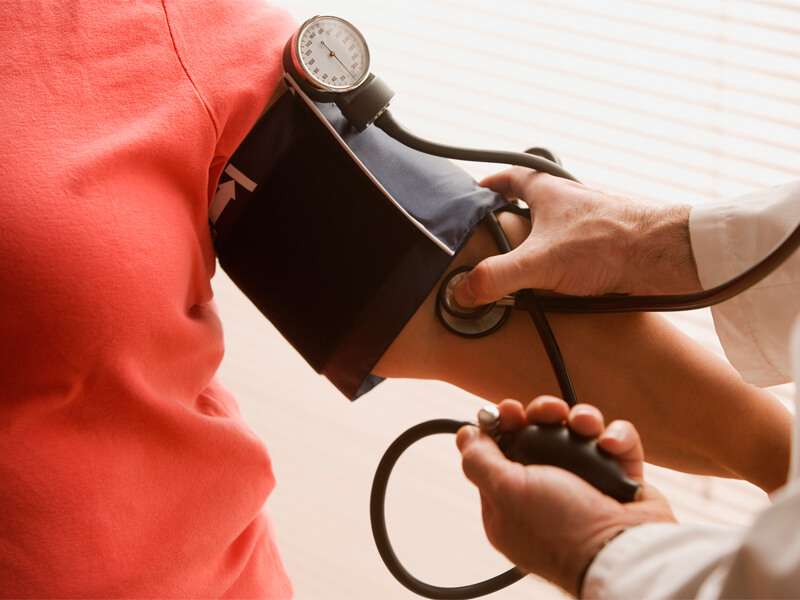
- Diagnosis: It is diagnosed through regular blood pressure readings using a sphygmomanometer.
- Treatment options: Lifestyle changes such as diet and exercise are recommended, along with medications like ACE inhibitors or beta-blockers.
- What to expect: Regular monitoring and follow-up appointments will help maintain control of your blood pressure levels.
Proper management of hypertension can greatly reduce the risk of heart disease and stroke. Engaging in regular check-ups can assure you're on the right path towards better health.