
Dr Umesh Bhargav
About Me
Dr Umesh Bhargav
MBBS
General Physician
Biography
My Clinic
OPD Hours
| Monday | Morning | 10:00 AM | - | 02:00 PM |
| Evening | 06:00 PM | - | 09:00 PM | |
| Tuesday | Morning | 10:00 AM | - | 02:00 PM |
| Evening | 06:00 PM | - | 09:00 PM | |
| Wednesday | Morning | 10:00 AM | - | 02:00 PM |
| Evening | 06:00 PM | - | 09:00 PM | |
| Thursday | Morning | 10:00 AM | - | 02:00 PM |
| Evening | 06:00 PM | - | 09:00 PM | |
| Friday | Morning | 10:00 AM | - | 02:00 PM |
| Evening | 06:00 PM | - | 09:00 PM | |
| Saturday | Morning | 10:00 AM | - | 02:00 PM |
| Evening | 06:00 PM | - | 09:00 PM | |
| Sunday | Morning | 10:00 AM | - | 02:00 PM |
| Evening | 06:00 PM | - | 09:00 PM |
Treatments
Specialised care and treatments offered
INFECTIOUS DISEASE SCREENING
Infectious diseases pose significant health risks globally. Early detection through screening allows timely intervention preventing potential outbreaks within communities
- Selective screenings encompass common infections such as tuberculosis , hepatitis , sexually transmitted infections based on risk factors
- A comprehensive approach combines clinical history assessments paired with laboratory tests indicating possible infection presence
- Treatment protocols vary widely including antibiotics antivirals vaccinations depending upon identified pathogen type
- The goal remains ensuring patients receive immediate care thus curbing further transmission risks encountered between individuals linked socially medically throughout life stages
Actively seeking routine screenings forms part preventive healthcare practices fostering overall public safety enhancing quality life standards experienced daily everyday living!
ASTHMA MANAGEMENT

Asthma is a chronic respiratory condition that inflames the airways leading to difficulty in breathing. Managing asthma effectively requires awareness of triggers and appropriate treatment options available today
- Common triggers include allergens like pollen or pet dander; smoke; cold air; or even stress
- Symptoms usually involve wheezing; cough; shortness of breath; chest tightness; exacerbated during exercise or seasonal changes
- Diagnosis typically involves patient history evaluations along with spirometry tests measuring lung function
- Treatment often includes inhalers delivering bronchodilators or corticosteroids directly within the lungs providing quick relief or long-term control respectively
- Regular follow-ups ensure that your asthma action plan remains effective as conditions change over time tailored specifically according individual needs
With proper education on managing asthma attacks through prevention & intervention techniques , individuals can enjoy an active lifestyle without restrictive limits!
ALLERGY TESTING AND MANAGEMENT

Allergies occur when the immune system overreacts to certain substances. Identifying triggers is essential for effective management to prevent reactions that can range from mild to severe.
- Common allergens include pollen, dust mites, mold spores, pet dander, certain foods, and insect stings.
- Symptoms may manifest as sneezing, itching eyes, rashes or more severe cases like anaphylaxis.
- A thorough evaluation usually includes skin prick tests or specific IgE blood tests conducted under medical supervision for accurate diagnosis.
- Treatment typically involves allergen avoidance strategies combined with antihistamines or corticosteroids as necessary for relief of symptoms.
- In some cases, immunotherapy might be recommended for long-term desensitization
Understanding your allergies through proper testing equips you with knowledge to live comfortably without fear of allergic reactions.
CHOLESTEROL MANAGEMENT
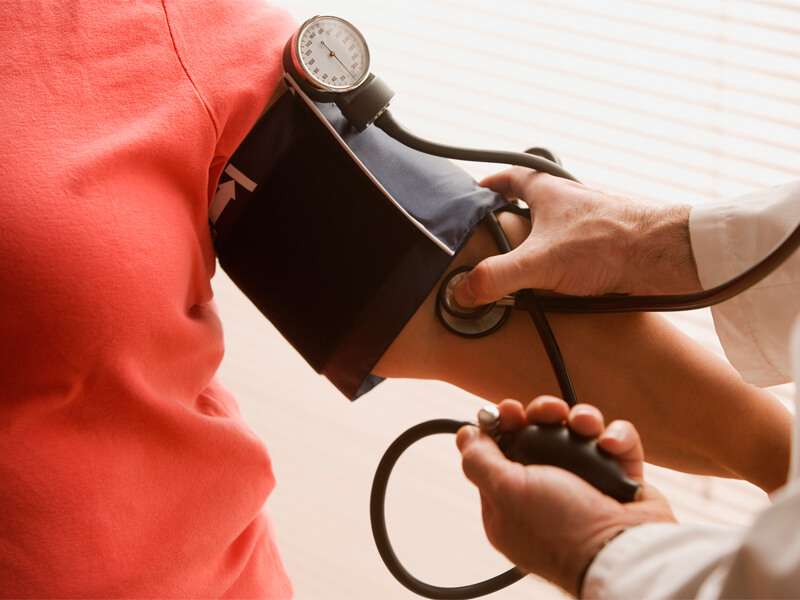
High cholesterol levels can lead to significant cardiovascular issues. It’s important to understand how cholesterol affects your health and how you can manage it effectively.
- Causes include poor diet, sedentary lifestyle, smoking, and genetic predisposition.
- The condition is diagnosed through lipid panel tests that measure various cholesterol levels in the bloodstream.
- Treatment strategies often begin with dietary modifications aimed at lowering LDL ('bad') cholesterol while increasing HDL ('good') cholesterol.
- If lifestyle changes are insufficient, medications like statins may be prescribed by healthcare providers.
- Regular check-ups help monitor progress and adjust treatment as necessary for optimal heart health outcomes.
If you're concerned about your cholesterol levels, seeking medical advice will provide you with the guidance needed for effective management.'
DIABETES MANAGEMENT

Diabetes mellitus is a chronic condition characterized by high levels of glucose in the blood. Proper management is necessary to prevent complications such as heart disease and nerve damage.
- The primary types include Type 1 diabetes (insulin-dependent) and Type 2 diabetes (typically related to lifestyle factors).
- Symptoms often include increased thirst, frequent urination, fatigue, and blurred vision.
- Diagnosis can be made through fasting blood sugar tests or HbA1c tests assessing long-term glucose control.
- Treatment may involve insulin therapy or oral medications alongside dietary changes and regular physical activity.
- Monitoring blood sugar levels regularly helps manage the disease effectively and reduces risks of complications.
An individualized care plan developed with your physician can significantly improve your quality of life if you are living with diabetes.
HYPERTENSION MANAGEMENT

Hypertension, commonly known as high blood pressure, is a prevalent condition that can lead to serious health issues if left untreated. It often has no symptoms, which is why regular monitoring is essential.
- Causes may include genetics, poor diet, lack of exercise, and stress.
- Diagnosis typically involves measuring blood pressure using a sphygmomanometer during routine check-ups.
- Treatment options range from lifestyle changes, such as diet and exercise, to medications like diuretics and ACE inhibitors.
- Managing hypertension effectively can reduce the risk of heart disease and stroke significantly.
- Regular follow-ups are crucial in adjusting treatment plans according to blood pressure readings.
If you suspect you have hypertension or have a family history of it, consulting a healthcare professional for appropriate screening and management is vital.