
Dr Umesh Meena B
About Me
Dr Umesh Meena B
MD
Anesthesiologist
Biography
My Clinic
OPD Hours
| Monday | Morning | 10:00 AM | - | 02:00 PM |
| Evening | 06:00 PM | - | 09:00 PM | |
| Tuesday | Morning | 10:00 AM | - | 02:00 PM |
| Evening | 06:00 PM | - | 09:00 PM | |
| Wednesday | Morning | 10:00 AM | - | 02:00 PM |
| Evening | 06:00 PM | - | 09:00 PM | |
| Thursday | Morning | 10:00 AM | - | 02:00 PM |
| Evening | 06:00 PM | - | 09:00 PM | |
| Friday | Morning | 10:00 AM | - | 02:00 PM |
| Evening | 06:00 PM | - | 09:00 PM | |
| Saturday | Morning | 10:00 AM | - | 02:00 PM |
| Evening | 06:00 PM | - | 09:00 PM | |
| Sunday | Morning | 10:00 AM | - | 02:00 PM |
| Evening | 06:00 PM | - | 09:00 PM |
Treatments
Specialised care and treatments offered
PERIOPERATIVE CARE
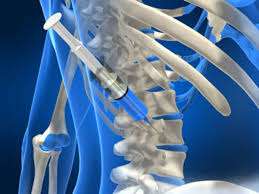
The phase surrounding surgical procedures—known as perioperative care—is critical in ensuring patient safety before, during, and after surgery. Proper management during this period substantially influences outcomes and recovery speed.
- Preoperative assessment: Assessments including medical histories help identify potential complications early on either related directly related anaesthetic-related issues .
- Intraoperative monitoring: Continuous monitoring throughout surgery guarantees immediate response if any complications arise while under anesthesia .
- Postoperative support: Close observation aids faster recovery , managing factors such as pain relief , helping maintain stability vital post-op intervention . < /u l >
Comprehensive perioperative care incorporates these elements together ensuring smoother experiences coupled with enhanced recovery rates post-surgery enhances patient satisfaction overall .
PAIN RELIEF TECHNIQUES

A variety of techniques exist aimed at effectively managing acute and chronic pain. Understanding these methods provides an opportunity for better self-care practices tailored to individual needs.
- Common techniques: Non-pharmacological approaches such as physical therapy, acupuncture, and mindfulness practices have been shown to enhance overall pain relief outcomes.
- Holistic approaches: Integrating lifestyle changes like exercise routines, balanced diets, and stress management can aid significantly in reducing pain levels.
- Identifying triggers: Keeping a journal helps in recognizing activities or foods that exacerbate pain episodes leads towards more effective management strategies.
- Working with professionals: Collaboration with healthcare providers ensures individualized plans that are best suited for long-term success.
By utilizing these diverse techniques actively contributes towards achieving better quality of life through reduced discomfort levels resulting from various conditions.
INTRAVENOUS (IV) SEDATION

This form of sedative delivery directly into the bloodstream offers rapid onset relief from anxiety for patients undergoing various procedures. IV sedation is especially advantageous in outpatient settings where quick recovery is desired.
- Purpose: IV sedation provides relaxation while allowing patients to remain responsive during their procedure; it’s ideal for those who wish to avoid general anesthesia's risks.
SEDATION FOR DENTAL PROCEDURES

Sedation dentistry offers a comfortable solution for patients who experience anxiety during dental visits. Various levels of sedation can help alleviate fear and ensure that dental procedures are less stressful experiences.
- Anxiety symptoms: Many individuals face intense nervousness at the prospect of dental treatment; this is where sedation becomes beneficial.
- Dentist evaluation: A thorough assessment allows practitioners to determine the appropriate level of sedation based on patient needs and procedure complexity.
- Sedation types: Options range from minimal sedation (for relaxation) to moderate sedation (where patients may not recall the procedure).
- Pain management: Sedatives effectively reduce discomfort during treatments like tooth extractions or root canals, enhancing overall patient experience.
This method not only creates a calm environment but also encourages regular dental visits by minimizing anxiety associated with them.
REGIONAL ANESTHESIA

This technique involves injecting anesthetic near a cluster of nerves to block sensation in a specific area of the body. It's commonly used for procedures involving the lower body or limbs and can lead to less systemic effects compared to general anesthesia.
- Benefits: It allows patients to remain awake while alleviating pain during surgery, which can promote faster recovery.
- Indications: Ideal for individuals undergoing orthopedic surgeries or cesarean sections who require targeted analgesia without full sedation.
- Procedure specifics: Administered either via spinal or epidural methods, selection depends on the surgery type and patient condition.
- Post-procedure expectations: Patients typically experience numbness in the targeted area temporarily; however, side effects are generally mild and manageable.
This approach to anesthesia ensures that patients have optimal comfort during surgical interventions while facilitating quicker postoperative recovery times.
CHRONIC PAIN MANAGEMENT

Living with chronic pain can significantly impact your daily life, making it essential to seek effective management strategies. Chronic pain may arise from conditions such as arthritis or previous surgeries, and it often requires a comprehensive approach.
- Symptoms: Persistent discomfort, fatigue, and sleep disturbances are common indicators of chronic pain.
- Diagnosis: A thorough medical history and physical examination, along with imaging tests or nerve studies, help identify the underlying cause.
- Treatment options: Non-surgical interventions may include medication management, physical therapy, and lifestyle modifications.
- Management strategies: Utilizing cognitive behavioral therapy and mind-body techniques can also enhance coping mechanisms.
- What to expect: Establishing a tailored treatment plan is crucial for restoring function and improving quality of life.
An active role in managing your pain through various therapies empowers you to regain control over your well-being.