
Dr Upendra Sharm
About Me
Dr Upendra Sharm
MD
Hematologists
10 Years Experience
Biography
My Clinic
OPD Hours
| Monday | Morning | 10:00 AM | - | 02:00 PM |
| Evening | 06:00 PM | - | 09:00 PM | |
| Tuesday | Morning | 10:00 AM | - | 02:00 PM |
| Evening | 06:00 PM | - | 09:00 PM | |
| Wednesday | Morning | 10:00 AM | - | 02:00 PM |
| Evening | 06:00 PM | - | 09:00 PM | |
| Thursday | Morning | 10:00 AM | - | 02:00 PM |
| Evening | 06:00 PM | - | 09:00 PM | |
| Friday | Morning | 10:00 AM | - | 02:00 PM |
| Evening | 06:00 PM | - | 09:00 PM | |
| Saturday | Morning | 10:00 AM | - | 02:00 PM |
| Evening | 06:00 PM | - | 09:00 PM | |
| Sunday | Morning | 10:00 AM | - | 02:00 PM |
| Evening | 06:00 PM | - | 09:00 PM |
Treatments
Specialised care and treatments offered
INTRAVENOUS IMMUNOGLOBULIN (IVIG) THERAPY
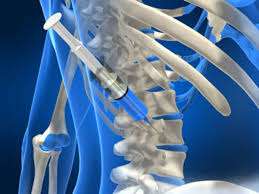
This therapy leverages immunoglobulin antibodies derived from pooled human plasma infusions administered intravenously. IVIG therapy is widely used particularly in treating immune deficiencies resulting from conditions such as hypogammaglobulinemia or autoimmune diseases affecting red/white cells effectively once properly diagnosed!
- Persistent infections not responding adequately signify weaker immune responses signaling need; laboratory tests define antibody levels versus clinical symptomatology present linking outcomes together coherently!
- The diagnosis typically gets supported via serum protein electrophoresis reflecting abnormal immunoglobulin levels noted through lab work findings associated directly associatively linked clinical features experienced prior!
- Treatment entails scheduled infusions every few weeks ensuring consistent replenishment while monitoring adverse reactions diligently based upon pre-existing medical history contextually related based assessments performed beforehand pre-medication protocols applied safely before starting infusion cycles initiated cautiously!
- Patients report feeling better after therapy initiation along with reducing frequency/severity associated sickness episodes historically documented appropriately accommodating personalized dosage adjustments fine-tuned based individual responses observed periodically over time frames accordingly followed-up effectively constant support maintained optimally along journey unto wellness regained substantially positively experienced overall!
This innovative therapeutic approach exhibits remarkable efficacy across varying populations presenting diverse underlying etiologies maintaining excellent tolerability profiles witnessed consistently highlighting positive patient experiences maximizing benefits sought henceforth during course undertaken afterward onward!!
STEM CELL TRANSPLANTATION

Stem cell transplantation serves as a life-saving option for patients suffering from certain cancers affecting the bloodstream or bone marrow. This complex procedure requires careful matching of donor cells that can rejuvenate damaged marrow and restore healthy blood production over time.
- Main indications include acute myeloid leukemia (AML) and severe aplastic anemia where traditional therapies fail to produce adequate results.
- Diagnosis must be confirmed via biopsy alongside extensive pre-transplant evaluations including donor compatibility assessments and overall health screenings.
- The post-transplant care involves rigorous monitoring for signs of graft-versus-host disease (GVHD) while managing immunosuppression regimens effectively throughout recovery phases post-procedure up until full healing is achieved correctly over months ahead following transplant days elapsed!
This groundbreaking treatment has significantly improved survival rates among patients with specific hematologic malignant conditions by providing fresh possibilities toward long-term remission possibilities!
PLATELET RICH PLASMA (PRP) THERAPY

This revolutionary treatment harnesses the body's healing potential by using concentrated platelets derived from your own blood. PRP therapy is utilized to promote healing in various hematological disorders affecting platelet function or volume, enhancing recovery processes significantly.
- Commonly cited symptoms include abnormal bleeding tendencies due to low platelet counts or dysfunctions.
- Diagnosis often includes thorough platelet function testing alongside standard complete blood count (CBC).
- Treatment involves several PRP injections spaced apart to facilitate cellular growth while minimizing side effects from conventional therapies.
- Patients usually tolerate this outpatient procedure well with minimal pain and excellent recovery outcomes reported post-therapy sessions.
The use of PRP represents an innovative approach in advancing treatments for hematologic issues while promoting natural healing pathways within the body itself.
THERAPEUTIC PHLEBOTOMY

This established procedure involves the removal of blood to treat conditions such as hemochromatosis or polycythemia vera. By reducing excess iron or red blood cell counts, therapeutic phlebotomy helps mitigate potential complications associated with these disorders.
- Symptoms often include elevated blood viscosity leading to headaches or visual disturbances in cases of polycythemia vera.
- The diagnosis can be determined through comprehensive blood tests measuring iron levels and hematocrit percentages.
- Treatment typically involves regular sessions of phlebotomy; frequency depends on individual health status and condition severity.
- Patients generally experience minimal discomfort during the procedure with quick recovery times afterward.
This intervention plays a significant role in managing chronic blood conditions effectively while improving overall well-being for patients undergoing care.
HEMOGLOBIN ELECTROPHORESIS

This laboratory technique helps in assessing different types of hemoglobin present in the blood. It is instrumental in diagnosing various hemoglobinopathies such as sickle cell disease and thalassemia. Understanding hemoglobin composition allows clinicians to tailor treatments specific to the disorder.
- Common symptoms prompting this test include anemia symptoms like weakness, pallor, or shortness of breath.
- Diagnosis is confirmed through analysis of blood samples after electrophoresis runs and visualization techniques.
- Treatment often includes management strategies such as folic acid supplementation or blood transfusions depending on severity.
- You can expect diagnostic results within a few days after testing for further consultation on treatment options.
This test is vital for characterizing hemoglobin disorders efficiently and guiding patient management strategies thereafter.
BONE MARROW BIOPSY

A bone marrow biopsy is a crucial procedure for diagnosing various blood disorders. This minimally invasive procedure involves sampling the bone marrow, usually from the hip bone, to analyze cellular composition. It plays a significant role in identifying conditions such as leukemia, lymphoma, and multiple myeloma.
- Symptoms may include unexplained fatigue, frequent infections, or easy bruising.
- The procedure is typically diagnosed through blood tests and imaging studies that indicate abnormal blood cell production.
- Treatment options following diagnosis vary but may include chemotherapy, targeted therapy, or stem cell transplantation.
- Patients can expect mild discomfort during the biopsy but are monitored closely during recovery.
Overall, this procedure provides essential insights into your hematological health and aids in formulating an effective treatment plan.