
Dr Upendra Sharm
About Me
Dr Upendra Sharm
MD
Oncologist
10 Years Experience
Biography
My Clinic
OPD Hours
| Monday | Morning | 10:00 AM | - | 02:00 PM |
| Evening | 06:00 PM | - | 09:00 PM | |
| Tuesday | Morning | 10:00 AM | - | 02:00 PM |
| Evening | 06:00 PM | - | 09:00 PM | |
| Wednesday | Morning | 10:00 AM | - | 02:00 PM |
| Evening | 06:00 PM | - | 09:00 PM | |
| Thursday | Morning | 10:00 AM | - | 02:00 PM |
| Evening | 06:00 PM | - | 09:00 PM | |
| Friday | Morning | 10:00 AM | - | 02:00 PM |
| Evening | 06:00 PM | - | 09:00 PM | |
| Saturday | Morning | 10:00 AM | - | 02:00 PM |
| Evening | 06:00 PM | - | 09:00 PM | |
| Sunday | Morning | 10:00 AM | - | 02:00 PM |
| Evening | 06:00 PM | - | 09:00 PM |
Treatments
Specialised care and treatments offered
BONE MARROW TRANSPLANTATION
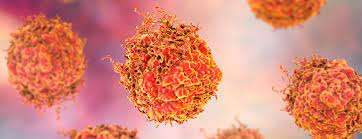
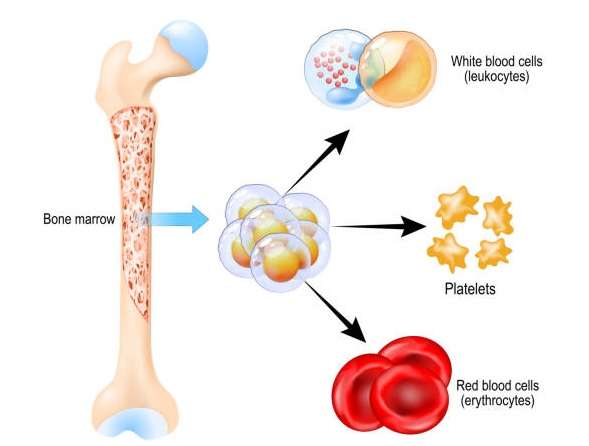
Bone marrow transplantation (BMT) serves as both a curative procedure for certain blood cancers and an essential component post-chemotherapy recovery. This process involves replacing damaged bone marrow with healthy stem cells from either donors or from one's own body after appropriate harvesting techniques have been applied successfully under careful supervision protocols established beforehand regarding eligibility criteria for suitability assessments!
- Symptoms typically necessitating BMT include severe anemia & recurrent infections stemming from dysfunctional hematopoietic processes due primarily resulting secondary impacts derived from preceding intense anticancer treatments regimens carried out previously!
- Diagnosis requires extensive evaluation including complete blood counts alongside additional diagnostic procedures aimed specifically toward assessing marrow aspirates ensuring favorable conditions exist prior proceeding transplantation phases effectively afterwards needed ongoing monitoring solutions capabilities too anticipating potential complications arising post-infusion interventions sections naturally following course engagements completed accordingly thereafter maintenance follow-up appointments understanding necessary periods!
- Management encompasses both pre-conditioning regimens designed reducing recipient immune reactivity along administering supportive care afterwards maintaining vigilant observation looking out signs arising issues such graft rejection responses versus successful engraftment trajectory patterns along general wellness considerations integrated recommendations following best practices outlined conforming standards regulations thoroughly!
- Aftercare advisements usually entail lifestyle modifications promoting overall health while mitigating risks surrounding infections ultimately allowing patients gradually resume routine daily activities eventually reinstating much desired independence regained through appropriate rehabilitation efforts undertaken collaboratively between multidisciplinary teams established consistently toward maximizing outcomes effectively post procedural hurdles overcome initially enduring trials faced beforehand!
The ultimate goal here revolves around successfully reintegrating optimal functioning aspects enabling patients reclaim vitality cherished fighting spirit relentlessly having endured formidable battles fought previously witnessed emerge triumphantly arriving destinations sought arriving ahead immensely grateful appreciates contributions made heartfelt gratitude inspires future aspirations renewal advancing continual progress areas blending all together bringing forth hope together amalgamated journeys shared encouraging others along similar paths resiliently forward!
TARGETED THERAPY
This form of treatment focuses on specific molecular targets found in certain types of cancer. Targeted therapies work differently from standard chemotherapies by homing in on precise pathways involved in tumor growth and survival.
- Common symptoms leading patients towards targeted therapies include persistent lumps or unusual bleeding related to specific cancers under observation for mutations and proteins associated with tumor proliferation.
- Diagnoses hinge upon genetic testing results that reveal vulnerabilities within certain tumors which can be addressed through targeted agents like tyrosine kinase inhibitors (TKIs).
- Total management might incorporate oral medications that disrupt cell signaling processes critical for growth and division in problematic cells without harming normal tissue substantially.
- Some patients report fewer side effects compared with conventional treatments, often experiencing improved quality of life during therapy cycles due changes specifically aimed at minimizing systemic toxicity associated with broader therapeutic approaches.
The fundamental aim remains: maximizing efficacy while reducing collateral damage experienced during conventional oncological interventions through precision medicine practices that push boundaries further ahead into personalized care frameworks across oncology landscapes worldwide!
IMMUNOTHERAPY

This innovative approach leverages the body’s own immune system to attack cancer cells. Immunotherapy has transformed treatment protocols for several malignancies by enhancing immune responses against tumors.
- Symptoms warranting immunotherapy vary widely but often relate to systemic signs like extreme fatigue or persistent fever caused by disease progression.
- Diagnosis relies on specific biomarkers present in certain cancers which can indicate responsiveness to this therapy type.
- Treatment includes monoclonal antibodies and checkpoint inhibitors tailored towards individual patient profiles based on genetic markers of their tumors.
- Patients may experience different side effects compared with traditional therapies, such as flu-like symptoms rather than gastrointestinal disturbances associated with chemotherapy.
This cutting-edge strategy aims not only at controlling disease progression but ideally at achieving long-term remission levels that were previously unattainable in oncological care.
SURGICAL ONCOLOGY
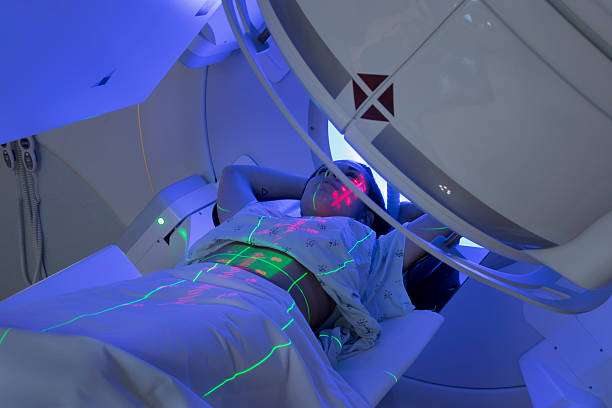
Surgical oncology focuses on the surgical removal of tumors as a primary treatment method for several cancers. By excising malignant growths, surgeons aim to achieve not only removal but also the preservation of vital functions.
- Signs indicating the need for surgery encompass significant mass formation or organ dysfunction due to tumor pressure.
- A diagnosis typically involves imaging studies followed by a biopsy to confirm malignancy before surgical planning.
- Surgical options range from lumpectomies to more extensive resections depending on the cancer stage and location.
- Post-surgery expectations may include recovery periods with potential complications such as infection or scarring that are managed proactively by the healthcare team.
The objective remains clear: eliminate as much cancer as possible while ensuring patient safety and comfort throughout recovery.
RADIATION THERAPY
This treatment uses high-energy radiation to shrink or kill cancerous tumors. It is effective in various cancers and can be utilized alone or alongside other treatments.
- Common symptoms prompting radiation therapy include localized pain or swelling near a tumor site.
- It is diagnosed using imaging techniques like CT or MRI scans to determine the extent of cancer spread.
- The management may involve external beam radiation or brachytherapy based on tumor location and type.
- Patients might experience fatigue and skin irritation during treatment but are closely monitored throughout the process.
The goal of radiation therapy is not only to eradicate tumors but also to preserve surrounding healthy tissue whenever possible.
CHEMOTHERAPY
Chemotherapy is a common treatment for many types of cancer, aiming to destroy cancer cells or limit their growth. It utilizes powerful drugs that can target fast-growing cells, which is essential in combating malignancies.
- Symptoms of cancer include unexplained weight loss, fatigue, and pain.
- Diagnosis is typically made through imaging tests, biopsies, and blood tests.
- Treatment options include various chemotherapy regimens tailored to the specific type of cancer.
- Patients can expect side effects such as nausea, hair loss, and immune system suppression; however, modern approaches often minimize these effects.
A comprehensive treatment plan will help manage these side effects while effectively targeting tumor cells.