
Dr Urvi Panchal
About Me
Dr Urvi Panchal
MBBS
Dermatologist
13 Years Experience
Biography
My Clinic
OPD Hours
| Monday | Morning | 11:00 AM | ||
| Evening | 09:00 PM | |||
| Tuesday | Morning | 11:00 AM | ||
| Evening | 09:00 PM | |||
| Wednesday | Morning | 11:00 AM | ||
| Evening | 09:00 PM | |||
| Thursday | Morning | 11:00 AM | ||
| Evening | 09:00 PM | |||
| Friday | Morning | 11:00 AM | ||
| Evening | 09:00 PM | |||
| Saturday | Morning | 11:00 AM | ||
| Evening | 09:00 PM |
Treatments
Specialised care and treatments offered
HYPERHIDROSIS
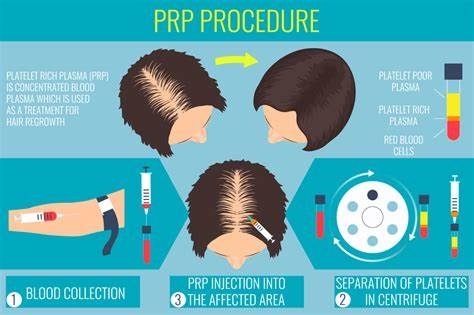
This medical condition leads to excessive sweating beyond what’s necessary for regulating body temperature. It impacts quality of life significantly when it occurs without an identifiable trigger such as heat or exercise.
- Symptoms: Excessive perspiration commonly arises without obvious causes affecting areas such as palms feet underarms face .
- Causes: Overactive sweat glands could stem from genetic predispositions anxiety certain medical disorders impacting autonomic nervous systems .
- Diagnosis:Sweating patterns assessed along with patient interviews guide clinicians towards accurate diagnoses relevant treatment strategies .
- Treatment options:
MELASMA
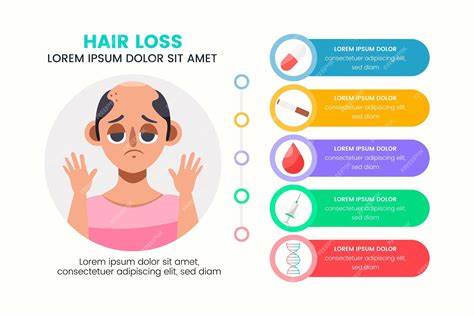
This common skin condition results in brown or gray-brown patches on areas exposed to sunlight. Melasma often affects women due to hormonal changes but can occur in men as well.
- Symptoms: Discolored patches appear mainly on the face; these are usually symmetrical around cheeks or forehead.
- Causes: Sun exposure combined with hormonal influences often triggers melasma's emergence.
- Diagnosis: A dermatologist typically diagnoses melasma based on visual assessment; sometimes further tests might be necessary though usually visual inspection suffices.
- Treatment options: Management may include topical lightening agents alongside strict sun protection measures utilizing high-SPF sunscreen regularly.
- Management: Ongoing maintenance with prescribed treatments and diligent sun protection yields optimal results over time.
With appropriate intervention strategies tailored individually by dermatologists like regular follow-ups ensure enhanced outcomes for those experiencing this condition!
SKIN CANCER SCREENING
Routine skin cancer screenings are essential for early detection of melanoma and other forms of skin cancer. This preventive measure is recommended annually for individuals with higher risk factors such as fair skin or a family history of skin cancer.
- Symptoms to watch for: Changes in new moles or existing ones should be noted carefully during self-exams.
- Risks factors include: UV exposure from the sun or tanning beds significantly increases risk levels.
- If detected early,Treatment options : may involve surgical removal of tumors or other therapies depending on the stage of cancer identified during screening.
- Management: Regular check-ups allow dermatologists to monitor any suspicious developments promptly.
Engaging in preventive care through screenings not only aids in early detection but also saves lives by addressing potential issues quickly.
ECZEMA
Eczema refers to a group of conditions that cause inflammation of the skin. It often appears as red, itchy patches which can lead to discomfort if not managed properly.
- Symptoms: Common signs include dry skin, itching, redness, and crusty patches on various body parts.
- Causes: Allergens, irritants, genetics, or stress are typical triggers for flare-ups.
- Diagnosis: Dermatologists evaluate medical history alongside physical examination to confirm eczema type.
- Treatment options: Treatments vary from over-the-counter creams to prescription medications aimed at reducing inflammation and itching.
- Management: Establishing a daily skincare routine is crucial in managing eczema effectively over time.
Eczema requires continuous attention but understanding triggers helps in minimizing outbreaks significantly.
PSORIASIS
This chronic autoimmune condition leads to the rapid growth of skin cells, forming scaly patches that can be itchy and painful. Psoriasis frequently affects areas like elbows, knees, and the scalp.
- Symptoms: Look for thickened red patches covered with silvery scales.
- Causes: Genetics and immune system issues play significant roles in its development.
- Diagnosis: A dermatological examination is typically sufficient for diagnosis; occasionally a biopsy is needed.
- Treatment options: Options include topical treatments, phototherapy (light therapy), and systemic medications for more severe cases.
- Management: Lifestyle changes such as stress management and moisturization can support treatment plans.
Managing psoriasis requires ongoing care but can greatly enhance quality of life through tailored therapies.
ACNE
Acne is a common skin condition that affects individuals of all ages, primarily during adolescence. It occurs when hair follicles become clogged with oil and dead skin cells, leading to the formation of pimples, blackheads, or cysts.
- Symptoms: Look for red spots, pustules, or stubborn whiteheads.
- Causes: Hormonal changes, excessive oil production, and bacteria can trigger acne flare-ups.
- Diagnosis: Dermatologists assess acne based on its appearance and severity; sometimes additional tests are required.
- Treatment options: Treatments may include topical retinoids, oral medications like antibiotics or hormonal treatments, and laser therapy.
- Management: Consistent skincare routines and regular follow-ups can help control outbreaks effectively.
A comprehensive approach to managing acne can significantly improve skin appearance and self-esteem.