
Dr Usha Joshi ,Ge
About Me
Dr Usha Joshi ,Ge
MBBS
General Physician
Biography
My Clinic
OPD Hours
| Monday | Morning | 10:00 AM | - | 02:00 PM |
| Evening | 06:00 PM | - | 09:00 PM | |
| Tuesday | Morning | 10:00 AM | - | 02:00 PM |
| Evening | 06:00 PM | - | 09:00 PM | |
| Wednesday | Morning | 10:00 AM | - | 02:00 PM |
| Evening | 06:00 PM | - | 09:00 PM | |
| Thursday | Morning | 10:00 AM | - | 02:00 PM |
| Evening | 06:00 PM | - | 09:00 PM | |
| Friday | Morning | 10:00 AM | - | 02:00 PM |
| Evening | 06:00 PM | - | 09:00 PM | |
| Saturday | Morning | 10:00 AM | - | 02:00 PM |
| Evening | 06:00 PM | - | 09:00 PM | |
| Sunday | Morning | 10:00 AM | - | 02:00 PM |
| Evening | 06:00 PM | - | 09:00 PM |
Treatments
Specialised care and treatments offered
ROUTINE BLOOD TESTS
The importance of routine blood tests cannot be overstated—they serve as valuable tools for assessing general health status. Regular testing can uncover underlying conditions even before symptoms manifest themselves in clear ways.
- Common Tests: Complete blood count (CBC), metabolic panels including liver function tests & kidney function markers are frequently conducted during these evaluations.
- Benefits: These tests provide insights into bodily functions such as oxygen transportation via red cells or how well organs perform their roles in metabolism.
- Follow-Up: Should results raise concerns about any abnormalities detected—a strategy could mandate further testing aimed at specific areas needing attention.
Thoroughly interpreting results alongside professional advice brings clarity around maintaining optimal wellness throughout varied life stages ahead!
INFLUENZA VACCINATION

The influenza vaccine is essential in preventing seasonal flu outbreaks. Vaccination not only protects individual health but also contributes to broader community immunity against virulent strains of influenza viruses.
- Importance: Receiving the flu shot annually significantly reduces the risk of contracting the virus as well as serious complications associated with it.
- Timing: Ideally administered before flu season peaks (typically fall), this vaccine is recommended for nearly everyone aged 6 months and older.
- Efficacy: While no vaccine guarantees complete immunity, receiving it greatly lowers both severity and duration should one contract the flu despite vaccination.
Getting vaccinated regularly safeguards not just personal health but also helps protect at-risk populations within various communities from outbreaks.
CHOLESTEROL MANAGEMENT
Mangement of cholesterol levels plays a crucial role in reducing cardiovascular risks. Elevated cholesterol can lead to heart disease if not addressed through lifestyle adjustments or medication where necessary.
- Causal Factors: Poor diet, lack of physical activity, obesity, smoking, and genetics contribute significantly to high cholesterol levels
- Screens Used: A lipid panel blood test is typically used during routine examinations to measure levels of LDL (bad cholesterol) and HDL (good cholesterol).
- Treatment Strategies: Diet modifications focusing on healthy fats combined with regular physical activity often improve cholesterol levels; medications might also be prescribed based on individual needs.
You can work closely with your doctor to create an effective plan that supports heart health while considering any personal risk factors you might have.
ANNUAL WELLNESS EXAMS
An annual wellness exam is an important preventive care service that allows healthcare providers to assess overall health status. These exams help catch potential issues before they become serious problems.
- Purpose: The primary goal is preventive care; identifying risk factors such as high cholesterol or obesity early helps reduce future health issues.
- Screens Conducted: Common screenings include blood pressure measurements, cholesterol tests, body mass index (BMI) assessments, and immunization checks.
- Your Role: Providing your medical history and discussing any concerns you have will guide the examination process effectively.
- Follow-Up: Based on findings from your wellness exam, further testing or specialist referrals may be recommended to address any identified concerns.
A yearly wellness exam empowers patients to take charge of their health proactively while building a strong relationship with their healthcare provider.
DIABETES SCREENING

Diabetes is a metabolic disorder characterized by high blood sugar levels. Early identification through screening is vital as it can prevent long-term complications such as cardiovascular diseases and neuropathy.
- Risk Factors: Being overweight, having a sedentary lifestyle, or possessing a family history of diabetes increases the risk of developing this condition.
- Symptoms: Common signs may include increased thirst, frequent urination, fatigue, and blurred vision.
- Diagnosis: A fasting blood glucose test or an HbA1c test are standard methods for diagnosing diabetes during regular check-ups or when symptoms arise.
- Treatment & Management: Depending on the type of diabetes diagnosed, treatment may involve lifestyle changes like diet and exercise or medication to regulate blood sugar levels.
Your healthcare provider can help design a personalized plan for managing diabetes effectively and improving your quality of life.
HYPERTENSION MANAGEMENT
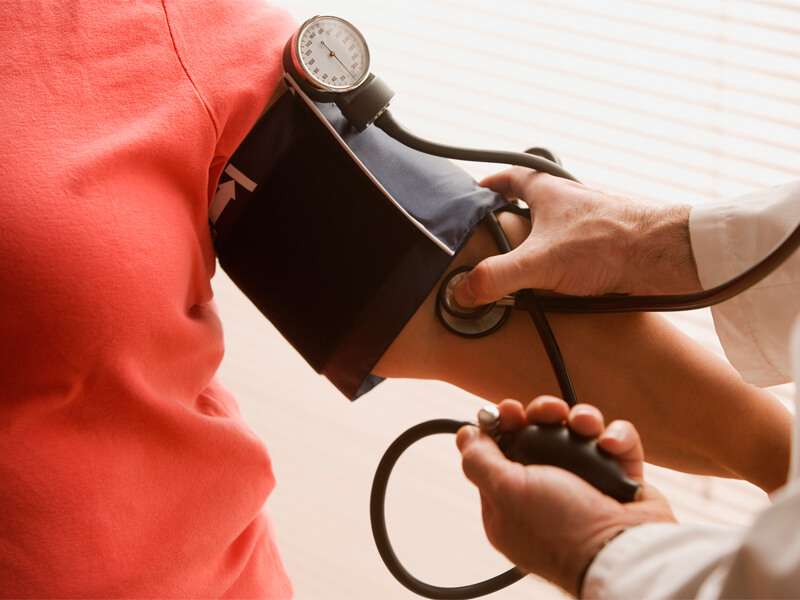
Hypertension, commonly known as high blood pressure, is a condition that increases the risk of heart disease and stroke. It often develops over many years without noticeable symptoms, making regular screening crucial for early detection.
- Symptoms: Many individuals with hypertension experience no signs; however, some may notice headaches or nosebleeds in severe cases.
- Diagnosis: Blood pressure is measured with a sphygmomanometer, typically during a routine check-up or when prompted by concerns about health.
- Treatment Options: Lifestyle changes are the first line of management and include dietary modifications, exercise, and weight loss. Medication may be necessary for some patients to maintain healthy levels.
- Monitoring: Regular monitoring is essential to ensure blood pressure stays within the target range and adjustments can be made to treatment as necessary.
Managing hypertension effectively reduces the risk of serious health complications and promotes overall well-being.