
Dr Usha Sharma
About Me
Dr Usha Sharma
MD
Dermatologist
Biography
My Clinic
OPD Hours
| Monday | Morning | 10:00 AM | - | 02:00 PM |
| Evening | 06:00 PM | - | 09:00 PM | |
| Tuesday | Morning | 10:00 AM | - | 02:00 PM |
| Evening | 06:00 PM | - | 09:00 PM | |
| Wednesday | Morning | 10:00 AM | - | 02:00 PM |
| Evening | 06:00 PM | - | 09:00 PM | |
| Thursday | Morning | 10:00 AM | - | 02:00 PM |
| Evening | 06:00 PM | - | 09:00 PM | |
| Friday | Morning | 10:00 AM | - | 02:00 PM |
| Evening | 06:00 PM | - | 09:00 PM | |
| Saturday | Morning | 10:00 AM | - | 02:00 PM |
| Evening | 06:00 PM | - | 09:00 PM | |
| Sunday | Morning | 10:00 AM | - | 02:00 PM |
| Evening | 06:00 PM | - | 09:00 PM |
Treatments
Specialised care and treatments offered
WART REMOVAL
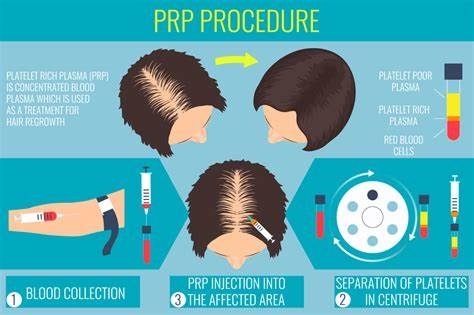
Your body can sometimes form benign growths known as warts due to viral infections from human papillomavirus (HPV). They often appear on hands and feet but may also emerge elsewhere on the body.
- < strong Symptoms: The growths vary in texture ranging from smooth-surfaced common warts found on fingers' tops down rough plantar warts causing discomfort while walking. < Li Strong Causes:
SKIN CANCER SCREENING
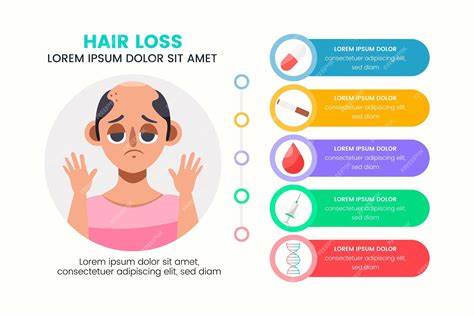
A vital preventative health measure involves systematic examinations to detect early signs of skin cancer. Regular screenings are essential especially for those at high risk due to past sun exposure or family history.
- Symptoms: New moles or changes in existing ones such as size alterations or color variations warrant immediate attention.
- Causes: Prolonged UV exposure from sunlight or tanning beds significantly increases risk levels while genetic factors also play a role.
- Diagnosis: Visual inspection during an office visit; dermatoscopic evaluations enhance accuracy when needed.
- Treatment options:
ROSACEA
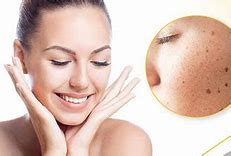
This chronic skin condition primarily affects the face and leads to redness and visible blood vessels. Rosacea commonly develops in middle-aged individuals but can occur at any age.
- Symptoms: Persistent redness on the cheeks, nose, forehead; may also present with bumps similar to acne.
- Causes: While exact causes are unclear, genetic predisposition along with environmental triggers play roles in development.
- Diagnosis: A dermatologist usually diagnoses rosacea based on clinical appearance without extensive testing.
- Treatment options: Medications including topical antibiotics or oral medications are frequently utilized alongside lifestyle adjustments like sun protection.
Individuals with rosacea should consult a specialist for personalized care strategies to manage symptoms effectively.
PSORIASIS
This chronic autoimmune condition causes rapid skin cell growth leading to scaling on the skin's surface. Psoriasis can appear at any age but is most commonly diagnosed in adults.
- Symptoms: Thick red patches covered with silvery scales can be itchy or painful.
- Causes: Genetics and environmental factors trigger flare-ups; it is often linked to stress or infections.
- Diagnosis: Diagnosis typically involves a physical exam; a biopsy may be performed for confirmation if necessary.
- Treatment options: Includes topical treatments like corticosteroids, phototherapy, and systemic medications that impact immune response.
With appropriate treatment strategies tailored to individual needs, psoriasis management becomes significantly more effective over time.
ECZEMA (ATOPIC DERMATITIS)
Eczema is a chronic inflammatory condition of the skin characterized by dry, itchy patches. It often begins in childhood but can persist into adulthood.
- Symptoms: Redness, irritation, severely itchy patches that may ooze or crust over.
- Causes: Genetic factors combined with environmental triggers such as allergens or irritants contribute to flare-ups.
- Diagnosis: Generally diagnosed through physical examination and patient history review.
- Treatment options: Topical corticosteroids to reduce inflammation, moisturizers to prevent dryness, and antihistamines for severe itching.
A comprehensive management plan can help alleviate symptoms and improve quality of life for those affected by eczema.
ACNE VULGARIS
Acne vulgaris is a common skin condition that primarily affects adolescents and young adults. It occurs when hair follicles become clogged with oil and dead skin cells.
- Symptoms: Includes whiteheads, blackheads, pimples, and cysts on the face, back, and shoulders.
- Causes: Hormonal changes, excess oil production, and bacteria are significant contributors.
- Diagnosis: A dermatologist evaluates the skin's appearance and may inquire about medical history.
- Treatment options: Over-the-counter topical treatments, prescription medications like retinoids or antibiotics, and in some cases, laser therapy.
- Management: Regular cleansing routines and avoiding picking at lesions can help improve outcomes.
If treated appropriately, many individuals see significant improvement in their acne condition over time.