
Dr Usha Sharma
About Me
Dr Usha Sharma
MBBS
Pediatrics
Biography
My Clinic
OPD Hours
| Monday | Morning | 10:00 AM | - | 02:00 PM |
| Evening | 06:00 PM | - | 09:00 PM | |
| Tuesday | Morning | 10:00 AM | - | 02:00 PM |
| Evening | 06:00 PM | - | 09:00 PM | |
| Wednesday | Morning | 10:00 AM | - | 02:00 PM |
| Evening | 06:00 PM | - | 09:00 PM | |
| Thursday | Morning | 10:00 AM | - | 02:00 PM |
| Evening | 06:00 PM | - | 09:00 PM | |
| Friday | Morning | 10:00 AM | - | 02:00 PM |
| Evening | 06:00 PM | - | 09:00 PM | |
| Saturday | Morning | 10:00 AM | - | 02:00 PM |
| Evening | 06:00 PM | - | 09:00 PM | |
| Sunday | Morning | 10:00 AM | - | 02:00 PM |
| Evening | 06:00 PM | - | 09:00 PM |
Treatments
Specialised care and treatments offered
PEDIATRIC EPILEPSY SURGERY
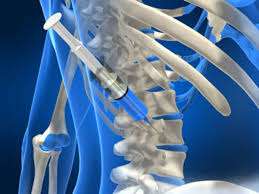
Pediatric epilepsy refers primarily to recurring seizures caused by abnormal electrical discharges within brain cells - significantly affecting education/psychosocial aspects if untreated long-term properly monitored .
- Commonly identified triggers involve stressors , sleep deprivation , certain stimuli like flashing lights which should be addressed alongside traditional medicinal therapies provided usually
- Seizure classification relies heavily diagnostic criteria established through EEG recordings capturing brain wave fluctuations over time thus helping validation process overall needed before planning approaches next steps accordingly
- Surgical options exist specifically targeting focal lesions symptomatic patients whom do not respond adequately conventional anticonvulsant drugs allowing freedom seizure occurrences while also improving cognitive functioning status levels observed significantly should they choose pursue this pathway either individually / parental consent pre-operation procedures required first however .
Although surgery isn't suitable everyone afflicted enabling access cutting-edge treatments available nowadays ensures better outcomes available aiming improve quality life children's affected severely .
PEDIATRIC HERNIA REPAIR

A pediatric hernia occurs when an internal organ pushes through a weak spot in muscle tissue; this commonly presents in infants but may appear at any age during childhood. Prompt evaluation is essential to avoid complications such as strangulation.
- The most noticeable symptom includes a bulge at the site which may become more prominent during crying or straining activities like bowel movements; pain may also be present in some cases
- Diagnosis involves clinical examination combined with imaging studies when necessary for confirmation before proceeding toward surgical solutions
- Typically , herniation repair occurs under general anesthesia via laparoscopic techniques minimizing recovery times due ; postoperative care mostly focuses around monitoring incision sites , resuming normal activities afterwards
Overall patient outcomes following successful corrections are highly favorable leading towards improved quality life experiences postoperatively .
PEDIATRIC ASTHMA MANAGEMENT

Asthma is a chronic respiratory condition affecting many children worldwide. It leads to wheezing, shortness of breath, chest tightness, and coughing that can disrupt daily activities if not properly managed.
- The exact cause varies; however, triggers often include allergens (like pollen or dust mites), air pollution, respiratory infections, or exercise-induced symptoms.
- A definitive diagnosis stems from taking a detailed medical history along with spirometry tests that measure lung function conclusively.
- Management includes using inhalers with bronchodilators or anti-inflammatory medications as prescribed by pediatricians.
- Regular monitoring helps refine asthma action plans according to individual responses.
With correct guidance regarding triggers and adherence to medication regimens , most children can lead physically active lives managing asthma effectively .
PEDIATRIC OBESITY MANAGEMENT

Pediatric obesity is becoming increasingly common and poses serious health risks such as diabetes, hypertension, and heart disease. Managing obesity in children requires a comprehensive approach tailored to their individual needs.
- The condition arises from factors including poor diet, sedentary lifestyle, genetics, and psychological issues that contribute to unhealthy eating habits.
- A healthcare provider may use growth charts to diagnose obesity alongside assessments of dietary intake and physical activity levels.
- Treatment options focus on behavioral changes involving diet modification and increased physical activity—possibly under the guidance of a nutritionist or fitness expert.
- In some cases where lifestyle changes prove insufficient, medical interventions like medications or weight-loss surgeries might be considered.
Long-term success hinges on continuous support from family and healthcare providers in promoting healthy habits early on.
PEDIATRIC CLEFT LIP AND PALATE SURGERY

Cleft lip and palate are congenital conditions where there is an opening in the upper lip or roof of the mouth. These issues can significantly affect feeding, speech development, and social interactions in children.
- The primary causes remain unclear but may include genetic factors or environmental influences during pregnancy.
- Diagnosis is typically made at birth or during routine prenatal ultrasounds. A thorough examination by a pediatric specialist is crucial for planning management.
- Surgical intervention is necessary to close the cleft. Multiple surgeries are often required over time to achieve optimal function and appearance.
- Expect ongoing care from a multidisciplinary team including surgeons, speech therapists, and nutritionists for comprehensive support throughout development.
With timely treatment and support, children with these conditions can lead fulfilling lives.
PEDIATRIC APPENDICITIS

Pediatric appendicitis is an inflammation of the appendix, a small tube attached to the large intestine. It is a common emergency in children that typically requires surgical intervention.
- Symptoms often include abdominal pain, nausea, vomiting, and fever. The pain usually starts near the belly button and then shifts to the right lower abdomen.
- Diagnosis typically involves a thorough physical examination, blood tests to check for infection, and imaging studies like an ultrasound or CT scan.
- Treatment usually requires an appendectomy, which is the surgical removal of the appendix. In some cases, antibiotics alone may be sufficient.
- Post-surgery, children can expect a recovery time of about 1-3 weeks, depending on their overall health and the method of surgery.
Early diagnosis and treatment can prevent complications, making it crucial to seek care if symptoms arise.