
Dr Uttam Dave
About Me
Dr Uttam Dave
Cardiologist
Biography
My Clinic
OPD Hours
| Tuesday | Morning | 10:00 AM | - | 02:00 PM |
| Evening | 06:00 PM | - | 09:00 PM | |
| Wednesday | Morning | 10:00 AM | - | 02:00 PM |
| Evening | 06:00 PM | - | 09:00 PM | |
| Thursday | Morning | 10:00 AM | - | 02:00 PM |
| Evening | 06:00 PM | - | 09:00 PM | |
| Friday | Morning | 10:00 AM | - | 02:00 PM |
| Evening | 06:00 PM | - | 09:00 PM | |
| Saturday | Morning | 10:00 AM | - | 02:00 PM |
| Evening | 06:00 PM | - | 09:00 PM | |
| Sunday | Morning | 10:00 AM | - | 02:00 PM |
| Evening | 06:00 PM | - | 09:00 PM | |
| Thursday | Morning | 10:00 AM | - | 02:00 PM |
| Evening | 06:00 PM | - | 09:00 PM |
Treatments
Specialised care and treatments offered
PERIPHERAL ARTERY DISEASE

This circulatory problem occurs when narrowed arteries reduce blood flow predominantly in limbs. It affects mobility considerably due to pain during physical activities like walking (claudication).
VALVULAR HEART DISEASE
This condition arises when one or more valves in the heart do not function properly—either becoming narrowed (stenosis) or leaky (regurgitation). Such dysfunction can affect blood flow within the heart significantly over time.
- Symptoms : Symptoms may range from fatigue and shortness of breath upon exertion to swelling in peripheral areas due to fluid retention.
- Causes : Common causes involve congenital defects in valve structure , rheumatic fever post-strep throat infection , degenerative changes associated with aging .
ARRHYTHMIA
An arrhythmia refers to an irregular heartbeat that can manifest as a racing or slowing pulse. While some arrhythmias are benign, others may lead to significant health risks if untreated.
- Symptoms: Patients often report sensations such as palpitations—feeling like the heart is fluttering—dizziness or fainting spells which warrant further investigation.
- Causes : Causes vary widely but may include electrolyte imbalances , heart disease , excessive caffeine consumption , and certain medications.
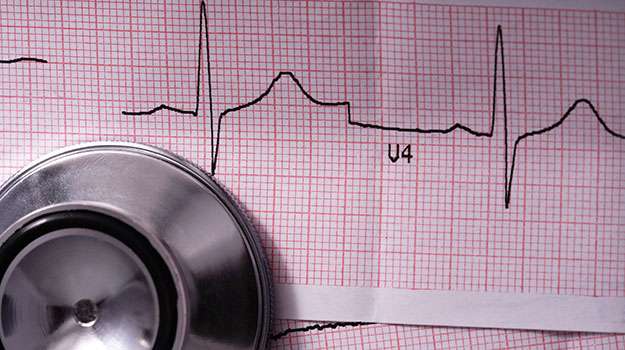
- Diagnosis : Diagnosis is typically made through EKGs (electrocardiograms), Holter monitors , or event recorders that track heartbeat patterns over time.
Treatment options : Managing arrhythmias usually involves lifestyle alterations alongside medication; in more severe cases , procedures like ablation therapy could be necessary.
What to expect : Regular follow-ups are essential for adjusting treatment plans based on patient responses.
HEART FAILURE
Heart failure occurs when the heart becomes unable to pump sufficient blood to meet the body's needs. This debilitating condition may result from various underlying issues affecting heart function.
- Symptoms: Patients might experience breathlessness during activities or even at rest, swelling in legs or ankles, fatigue, and persistent coughing or wheezing.
- Causes: Conditions leading to heart failure include coronary artery disease, high blood pressure, previous heart attacks or cardiomyopathy.
- Diagnosis: Healthcare providers diagnose heart failure via physical examinations alongside diagnostic tests such as echocardiograms or MRIs to evaluate heart function.
- Treatment options: Management includes using medications like ACE inhibitors or beta-blockers supplemented with lifestyle modifications such as restricted sodium intake and regular exercise if possible.
- What to expect: With proper management strategies in place under medical supervision, many patients can maintain an improved quality of life despite living with heart failure.
Proactive management is crucial for enhancing functional capacity and overall well-being in those affected by this chronic condition.
CORONARY ARTERY DISEASE
Coronary artery disease (CAD) is a condition characterized by the narrowing or blockage of coronary arteries due to plaque buildup. It can lead to chest pain (angina) and heart attacks if not addressed timely.
- Symptoms: Common symptoms include chest discomfort, fatigue during physical activity, and shortness of breath.
- Causes: Major risk factors include high cholesterol levels, smoking, diabetes, obesity, and sedentary lifestyle.
- Diagnosis: CAD is diagnosed through various tests including stress tests, electrocardiograms (ECGs), and imaging studies like angiography.
- Treatment options: Treatment strategies encompass lifestyle changes along with medications such as statins or antiplatelet agents. In some cases, surgical interventions like angioplasty may be necessary.
- What to expect: Patients typically require ongoing management and monitoring for effective control over their cardiovascular health.
An early diagnosis can greatly enhance outcomes and quality of life for individuals suffering from this condition.
HYPERTENSION
Hypertension, also known as high blood pressure, is a common condition that can lead to serious health complications if left unmanaged. It occurs when the force of blood against the walls of the arteries is consistently too high.
- Symptoms: Many individuals may not experience any symptoms, which is why it is often referred to as a 'silent killer.' When symptoms do occur, they can include headaches, shortness of breath, or nosebleeds.
- Causes: Factors contributing to hypertension include obesity, lack of physical activity, smoking, excessive alcohol consumption, and genetic predisposition.
- Diagnosis: A healthcare provider typically diagnoses hypertension through regular blood pressure measurements during routine visits.
- Treatment options: Management strategies may include lifestyle changes such as dietary adjustments (like reducing salt intake), maintaining a healthy weight, regular exercise, and possibly medication.
- What to expect: Regular monitoring and follow-up appointments will help ensure the condition is under control and complications are avoided.
Managing hypertension effectively can significantly decrease the risk of heart disease and stroke.