
Dr V C Kasliwal
About Me
Dr V C Kasliwal
MBBS
General Physician
Biography
My Clinic
OPD Hours
| Monday | Morning | 10:00 AM | - | 02:00 PM |
| Evening | 06:00 PM | - | 09:00 PM | |
| Tuesday | Morning | 10:00 AM | - | 02:00 PM |
| Evening | 06:00 PM | - | 09:00 PM | |
| Wednesday | Morning | 10:00 AM | - | 02:00 PM |
| Evening | 06:00 PM | - | 09:00 PM | |
| Thursday | Morning | 10:00 AM | - | 02:00 PM |
| Evening | 06:00 PM | - | 09:00 PM | |
| Friday | Morning | 10:00 AM | - | 02:00 PM |
| Evening | 06:00 PM | - | 09:00 PM | |
| Saturday | Morning | 10:00 AM | - | 02:00 PM |
| Evening | 06:00 PM | - | 09:00 PM | |
| Sunday | Morning | 10:00 AM | - | 02:00 PM |
| Evening | 06:00 PM | - | 09:00 PM |
Treatments
Specialised care and treatments offered
THYROID DISORDERS
Your thyroid gland plays a crucial role in regulating metabolism through hormone production. Disorders arising from insufficient or excessive hormone production can impact overall health significantly.
- Symptoms vary widely but may include weight fluctuations, fatigue, mood changes, hair loss among others depending on whether hypothyroidism or hyperthyroidism exists.
- Diagnosis typically involves measuring thyroid hormone levels via blood tests along with clinical assessment by your physician.
- Treatment approaches range from medication aimed at restoring hormonal balance for hypothyroidism (e.g., levothyroxine) or managing symptoms linked with hyperthyroid states through antithyroid drugs.
- Expect continuous evaluation post-treatment initiation since thyroid conditions require adjustment based on response over time.
Proactive management fosters better metabolic control while improving personal well-being!
ANEMIA

Anemia occurs when there aren't enough healthy red blood cells to carry adequate oxygen to body tissues. It can lead to fatigue and other health concerns if not addressed appropriately.
- Main symptoms consist of weakness, pale skin, shortness of breath during activity, and dizziness. Chronic anemia might manifest differently based on its cause.
- A definitive diagnosis requires blood tests including complete blood count (CBC) which measures various components of your blood including hemoglobin levels.
- Treatment varies according to cause; it may involve iron supplements for iron-deficiency anemia or dietary modifications alongside addressing underlying conditions contributing to anemia's development.
- Please be aware that regular follow-up appointments will be necessary for monitoring recovery progress after initiating treatment strategies successfully.
This approach enables individuals experiencing anemia to regain vitality while minimizing future risks associated with the condition's progression。
HYPERLIPIDEMIA
Hyperlipidemia refers to elevated lipid levels in the bloodstream, which can significantly increase the risk of cardiovascular diseases. Managing this condition is crucial for heart health.
- The condition often yields few noticeable symptoms, but it may lead to serious complications if left unchecked over time.
- A comprehensive diagnosis includes a simple blood test known as a lipid panel that measures cholesterol levels.
- Treatment typically involves lifestyle changes such as dietary adjustments—reducing saturated fats—and regular exercise. Medications like statins may also be prescribed depending on individual risk factors.
- Please anticipate ongoing evaluations to monitor progress and make necessary adjustments to treatment modalities regularly.
With proper management strategies in place, individuals can maintain healthy lipid levels effectively over the long term.
ASTHMA
Asthma is a chronic respiratory condition characterized by inflammation of the airways. It makes breathing difficult during episodes known as asthma attacks.
- Common symptoms include wheezing, coughing, chest tightness, and shortness of breath that can vary in intensity based on triggers such as allergens or environmental factors.
- A detailed diagnosis is conducted through medical history assessments and lung function tests to measure airway responsiveness.
- Treatment strategies often involve inhalers (such as bronchodilators), corticosteroids, and avoiding known triggers to manage symptoms effectively.
- Patients can expect to develop an action plan in collaboration with their healthcare provider for handling exacerbations promptly.
This proactive approach helps control asthma symptoms and minimizes interruptions in daily life activities.
DIABETES MANAGEMENT

Diabetes is a chronic condition that affects how your body metabolizes sugar (glucose). It can lead to high blood sugar levels if not managed properly.
- The primary symptoms include excessive thirst, frequent urination, extreme fatigue, and blurred vision.
- A diagnosis usually involves blood tests to measure glucose levels and may require an HbA1c test for long-term monitoring.
- Treatment focuses on managing blood sugar through dietary changes, exercise, and possibly insulin therapy for type 1 diabetes or oral medications for type 2 diabetes.
- Regular check-ups are essential for monitoring potential complications and adjusting treatment plans accordingly.
Effective diabetes management can significantly enhance quality of life and reduce the risk of serious health issues.
HYPERTENSION
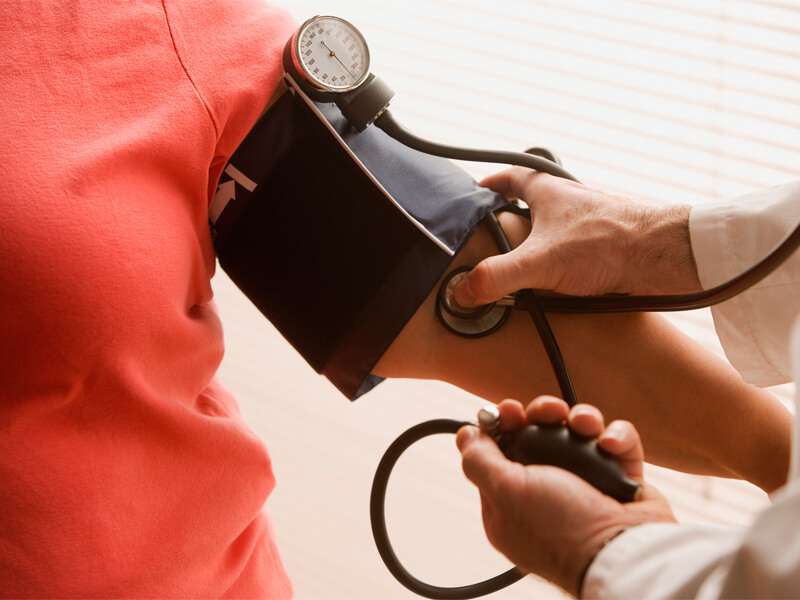
Hypertension, commonly known as high blood pressure, is a prevalent condition that can lead to serious health problems if left untreated. This condition occurs when the force of the blood against the artery walls is consistently too high.
- Symptoms often include headaches, shortness of breath, and nosebleeds, though many people may experience no symptoms at all.
- Diagnosis typically involves measuring blood pressure using a sphygmomanometer during routine check-ups or specific evaluations.
- Treatment options may include lifestyle changes such as diet modification and increased physical activity, along with medications like diuretics or ACE inhibitors.
- Patients should expect regular monitoring and follow-ups to adjust treatment plans and ensure effective management over time.
It’s important to manage hypertension effectively to prevent complications like heart disease or stroke.