
Dr V D Sinha Cli
About Me
Dr V D Sinha Cli
MD
Neurologist
10 Years Experience
Biography
My Clinic
OPD Hours
| Monday | Morning | 10:00 AM | - | 02:00 PM |
| Evening | 06:00 PM | - | 09:00 PM | |
| Tuesday | Morning | 10:00 AM | - | 02:00 PM |
| Evening | 06:00 PM | - | 09:00 PM | |
| Wednesday | Morning | 10:00 AM | - | 02:00 PM |
| Evening | 06:00 PM | - | 09:00 PM | |
| Thursday | Morning | 10:00 AM | - | 02:00 PM |
| Evening | 06:00 PM | - | 09:00 PM | |
| Friday | Morning | 10:00 AM | - | 02:00 PM |
| Evening | 06:00 PM | - | 09:00 PM | |
| Saturday | Morning | 10:00 AM | - | 02:00 PM |
| Evening | 06:00 PM | - | 09:00 PM | |
| Sunday | Morning | 10:00 AM | - | 02:00 PM |
| Evening | 06:00 PM | - | 09:00 PM |
Treatments
Specialised care and treatments offered
STROKE REHABILITATION

A stroke occurs when blood flow to part of the brain is interrupted. Rehabilitation following a stroke focuses on regaining lost skills while enhancing independence through targeted therapeutic programs designed specifically for each patient’s needs.
- Symptoms: Stroke symptoms may include sudden numbness on one side; confusion; trouble speaking or understanding speech along with severe headache without known cause.
- Diagnosis: Medical evaluation includes imaging techniques (CT/MRI) alongside neurologic examinations providing necessary insights into extent damage occurred due factors impacting recovery timeline after event transpired.
- Treatment: Rehabilitation addresses various areas such as physical abilities via exercises tailored towards mobility improvement coupled occupational therapy emphasizing daily living tasks restoring confidence among survivors’ journey back towards normalcy engaging family support fostering progress altogether efficiently overall results achieved collectively under supervision throughout process recovery phase whenever feasible accomplished successfully navigating through challenges presented therein subsequently understood comprehensively .
The road back adjusts uniquely each case thus requiring compassionate coordination teamwork amongst diverse specialists optimizing holistic recovery aimed restoring function comprehensively beyond initial struggles faced previously initially encountered upon discharge assessment conducted invariably revisited periodically reassessing improvements made continually assessed timely according follow-ups scheduled routinely thereafter sustained engagement encouraged maintaining motivation high prioritizing goals parallel aligning efforts leading forward ultimately positively affirming successes recognized validating person-centered care provided consistently applied backing philosophies encompassing rehabilitation principles perpetually aligned within framework evidence-based practices deployed continuously practicing resilient focus nurturing long-term growth relationships formed proceeding accordingly spanning journeys taken embracing new beginnings ushered forth toward brighter horizons envisaged ahead reflecting hopeful outlooks pursued ardently pursuing aspirations sought earnestly henceforward henceforth advocated inspiring narratives shared catalyzing change witnessed firsthand evolving landscapes experienced triumphantly uniting endeavors culminating gratifying conclusions celebrated triumphantly ensuing newfound wave optimism flourishing abundantly attaining fruition anticipated expected awaited outcomes heralded eagerly celebrated befittingly acknowledged applauded wholeheartedly incentivizing unyielding spirit perseverance thriving under circumstances cocooning resilience surging forth propelling continuance determined collectively emboldened unfettered applying innovations born anew responding adapting unknown potentials unlocking possibilities realized invariably together forging bonds strengthened enduring legacies marked milestones achieved passionately.
MIGRAINE DISORDERS
Migraines are severe headache disorders that can significantly disrupt daily activities. They often present with intense pain accompanied by nausea or sensitivity to light and sound.
- Symptoms: Intense throbbing pain that usually affects one side of the head; nausea or vomiting; aura may precede attacks in some cases.
- Diagnosis: Diagnosing migraines requires careful review of headache history alongside exclusion criteria from other types such as tension headaches or cluster headaches.
- Treatment: Options vary from over-the-counter pain relievers to prescription medications designed specifically for migraine prevention aimed at reducing attack frequency.
- What to Expect: Many find lifestyle changes beneficial along with medication adherence combined effort yielding positive outcomes over time towards controlling episodes effectively.
Managing migraines necessitates a proactive strategy that tailors approaches according individual patterns during consultation with healthcare professionals who understand neurological conditions thoroughly.
ALZHEIMER’S DISEASE
This degenerative brain disorder causes memory loss and cognitive decline. Alzheimer’s typically develops slowly but progressively impairs day-to-day functioning over time.
- Symptoms: Early signs may include forgetfulness or difficulty recalling recent events; as it progresses, additional impairments in reasoning or problem-solving arise.
- Diagnosis: Physicians utilize cognitive tests alongside medical history assessments; brain imaging can assist in identifying abnormalities associated with Alzheimer’s.
- Treatment: Current treatments focus on slowing symptoms through medications like cholinesterase inhibitors while supportive care plays a vital role for patients' well-being.
Palliative approaches aimed at enhancing quality of life are also essential components of care within this context as they support both patients and families during challenging times.
PARKINSON'S DISEASE
This progressive neurodegenerative disorder primarily affects movement control. Parkinson's results from the loss of dopamine-producing neurons in the brain which leads to various motor symptoms over time.
- Symptoms: Key symptoms include tremors at rest, stiffness in muscles, bradykinesia (slowness of movement), and postural instability.
- Diagnosis: A diagnosis is made through a comprehensive medical history review and neurological examination; imaging tests may also be used as needed.
- Treatment: Treatment usually consists of medications such as levodopa which replenishes dopamine levels; physical therapy can also play an important role in managing symptoms.
- What to Expect: Careful management enables many individuals to lead active lives despite this diagnosis by keeping symptoms at bay for extended periods.
A tailored treatment plan focusing on individualized needs can significantly enhance daily functioning and overall quality of life for patients with Parkinson's disease.
MULTIPLE SCLEROSIS (MS)
This autoimmune disorder affects the central nervous system by damaging the myelin sheath that protects nerve fibers. It leads to communication problems between the brain and the rest of the body.
- Symptoms: Common symptoms can include fatigue, difficulty walking, numbness or tingling in limbs, vision problems, and muscle weakness.
- Diagnosis: Diagnosis often requires a combination of clinical evaluation, MRI scans to detect lesions in the brain or spinal cord, along with neurological exams.
- Treatment: While there is no cure for MS, treatments may involve corticosteroids to reduce inflammation and disease-modifying therapies to slow progression.
- What to Expect: Although MS is a lifelong condition, many patients manage symptoms effectively with ongoing care and support from healthcare providers.
An early diagnosis allows for better treatment outcomes and helps patients maintain independence longer.
EPILEPSY
Epilepsy is a chronic disorder characterized by recurrent seizures resulting from abnormal electrical activity in the brain. This condition can affect individuals of any age, and it may manifest differently among patients.
- Symptoms: Symptoms include temporary confusion, staring spells, uncontrollable jerking movements, and loss of consciousness.
- Diagnosis: Diagnosis typically involves neurological examinations, EEG tests to measure electrical activity, and imaging studies such as MRI scans.
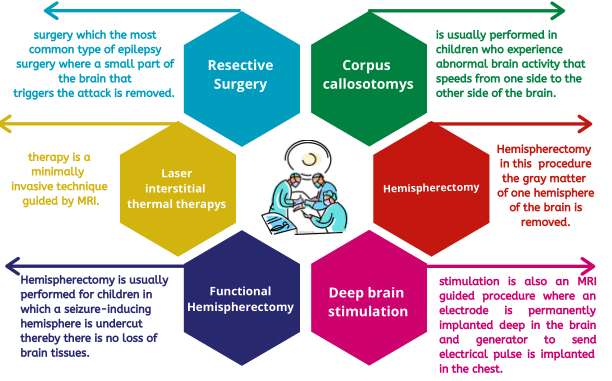
- Treatment: Management options often include antiepileptic medications, lifestyle adjustments, and in some cases, surgical interventions for drug-resistant epilepsy.
- What to Expect: With appropriate treatment, many individuals can effectively control their seizures and lead fulfilling lives while minimizing the impact of the disease.
Early diagnosis and consistent management are essential for improving quality of life for those affected by epilepsy.