
Dr V K Pandey
About Me
Dr V K Pandey
MD
Diabetologist
10 Years Experience
Biography
My Clinic
OPD Hours
| Monday | Morning | 10:00 AM | - | 02:00 PM |
| Evening | 06:00 PM | - | 09:00 PM | |
| Tuesday | Morning | 10:00 AM | - | 02:00 PM |
| Evening | 06:00 PM | - | 09:00 PM | |
| Wednesday | Morning | 10:00 AM | - | 02:00 PM |
| Evening | 06:00 PM | - | 09:00 PM | |
| Thursday | Morning | 10:00 AM | - | 02:00 PM |
| Evening | 06:00 PM | - | 09:00 PM | |
| Friday | Morning | 10:00 AM | - | 02:00 PM |
| Evening | 06:00 PM | - | 09:00 PM | |
| Saturday | Morning | 10:00 AM | - | 02:00 PM |
| Evening | 06:00 PM | - | 09:00 PM | |
| Sunday | Morning | 10:00 AM | - | 02:00 PM |
| Evening | 06:00 PM | - | 09:00 PM |
Treatments
Specialised care and treatments offered
DIABETES COMPLICATIONS SCREENING

Disease progression challenges necessitate routine screening for potential complications associated with diabetes. Through early detection strategies—patients can avert severe outcomes related to eye damage or kidney dysfunctions commonly linked with uncontrolled sugar levels
- Your Vigilance: * Regular appointments should include checks on eyes (retinopathy), kidneys (nephropathy) alongside cardiovascular considerations given intertwined risks involved
This systematic approach not only highlights readiness towards preventive interventions but also prepares best practices aimed at ensuring quality life standards moving forward
FOOT CARE ASSESSMENT
A comprehensive foot care assessment is critical for those living with diabetes. Since diabetic neuropathy can lead to reduced sensation in feet, regular evaluations are essential for preventing complications such as ulcers or infections.
- Your Awareness:* Diabetic patients should routinely check their feet daily for cuts or sores that may go unnoticed due to diminished feeling.
DIETARY MANAGEMENT
A well-balanced diet plays a vital role in the successful management of diabetes. Adopting a personalized dietary plan helps maintain stable blood sugar levels while supporting overall health objectives.
- Your Diet:* Focus on whole grains, fruits, vegetables, lean proteins while avoiding processed foods that may cause fluctuations in blood sugar levels.
DIABETES EDUCATION PROGRAMS
An integral aspect of managing diabetes involves participating in education programs that provide essential knowledge about the condition. These programs empower individuals with information needed to make informed health decisions.
- Symptoms/Causes: Many individuals are unaware of how diet and exercise influence blood sugar levels until educated properly.
- Diagnosis: Education helps clarify misconceptions regarding diabetes types and treatment methods.
- Treatment/Management Options: Topics covered include meal planning, medication management, and physical activity recommendations tailored for each patient’s lifestyle.
- Keen Understanding: These programs enhance understanding of personal health metrics, fostering independence in self-management strategies.
CONTINUOUS GLUCOSE MONITORING (CGM)
Continuous glucose monitoring (CGM) provides real-time insights into blood sugar levels, essential for effective diabetes management. This technology allows patients to make informed decisions about their treatment plans.
- Symptoms/Causes: Abrupt changes in glucose levels can lead to symptoms like dizziness and confusion if not monitored closely.
- Diagnosis: CGM systems require initial calibration with standard blood glucose tests before use.
- Treatment/Management Options: CGM can be used in conjunction with insulin therapy or other medications for more precise control.
- What to Expect: Users will receive alerts for high or low glucose levels, helping prevent emergencies and improve overall glycemic control.
This innovative approach equips patients with knowledge crucial for adapting their lifestyle choices effectively.
INSULIN THERAPY
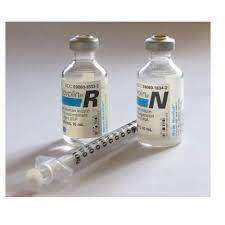
Insulin therapy is a cornerstone in the management of diabetes, particularly for patients with Type 1 diabetes or advanced Type 2 diabetes. This treatment involves administering insulin to help regulate blood sugar levels effectively.
- Symptoms: High blood sugar levels may cause excessive thirst, frequent urination, and fatigue.
- Diagnosis: Diabetes is diagnosed through blood tests measuring glucose levels, such as fasting blood glucose and A1C.
- Treatment Options: Insulin can be delivered via injections or insulin pumps, tailored to individual needs.
- Management: Patients should monitor their glucose levels regularly and adjust insulin doses based on diet and activity.
- What to Expect: With proper management, many patients achieve better control of their diabetes, reducing the risk of complications.
This therapy is crucial for maintaining optimal health and preventing long-term complications associated with diabetes.