
Dr V P Gangadhar
About Me
Dr V P Gangadhar
DM
Oncologist
10 Years Experience
Biography
My Clinic
OPD Hours
| Monday | Morning | 10:00 AM | - | 02:00 PM |
| Evening | 06:00 PM | - | 09:00 PM | |
| Tuesday | Morning | 10:00 AM | - | 02:00 PM |
| Evening | 06:00 PM | - | 09:00 PM | |
| Wednesday | Morning | 10:00 AM | - | 02:00 PM |
| Evening | 06:00 PM | - | 09:00 PM | |
| Thursday | Morning | 10:00 AM | - | 02:00 PM |
| Evening | 06:00 PM | - | 09:00 PM | |
| Friday | Morning | 10:00 AM | - | 02:00 PM |
| Evening | 06:00 PM | - | 09:00 PM | |
| Saturday | Morning | 10:00 AM | - | 02:00 PM |
| Evening | 06:00 PM | - | 09:00 PM | |
| Sunday | Morning | 10:00 AM | - | 02:00 PM |
| Evening | 06:00 PM | - | 09:00 PM |
Treatments
Specialised care and treatments offered
HEMATOLOGIC CANCERS
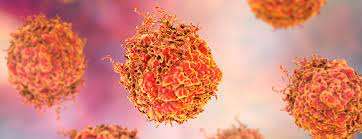
This category includes malignancies affecting blood-forming organs like leukemia, lymphoma, and myeloma. Hematologic cancers are complex conditions that require individualized approaches due their diverse nature impacting blood cell production severely over time.
- The symptoms observed may range from fatigue due low blood counts through easy bruising indicating potential underlying issues related hematopoiesis impaired functioning overall body systems joints involved affecting immunity too significantly during course disease management phase critical point achieving remission eventually continuing care afterward focus maintaining balance health stability sustained long term basis especially older patients dealing chronic illnesses concurrently throughout lifetime process navigating various treatments successfully alongside advancement modern medicine integrating innovative approaches actively incorporating patient feedback consistently throughout journey recovery path regularly monitored closely ensuring adapting necessary modifications prompt addressing arising challenges effectively improves quality living standards during remaining years left together families loved ones supporting each step forward fighting battle against brave heartedly unwavering determination never giving up hope altogether living fullest despite illness struggles encountered along way utilizing all resources available every aspect possible making difference lives touched directly indirectly communities served helping build brighter future society contribute positively obstacles faced daily .
SKIN CANCER
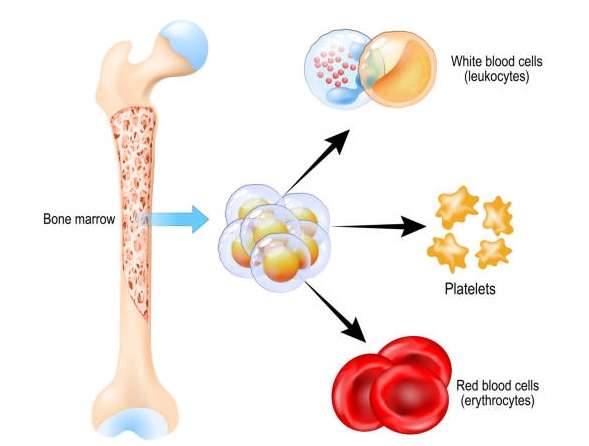
Skin cancer is one of the most common forms of cancer affecting individuals across various demographics. It primarily results from excessive exposure to ultraviolet (UV) radiation from sunlight or tanning beds.
- Symptoms typically manifest as new growths or changes in existing moles that may itch, bleed or appear irregularly shaped.
- Diagnosis involves thorough skin examinations complemented by biopsies when necessary to determine malignancy.
- Treatment methods range from surgical excisions for localized cases to more extensive therapies such as chemotherapy for aggressive forms like melanoma.
- Patients are encouraged to practice sun safety through protective clothing and sunscreen application as preventative measures against future incidents.
- Regular dermatological check-ups aid early detection thereby increasing successful treatment rates significantly.
Awareness of skin cancer risks leads individuals toward better protective actions that can save lives through early intervention strategies.
PROSTATE CANCER

Prostate cancer develops within the prostate gland and is one of the most common cancers among men. Risk factors include age, genetics, and lifestyle choices; thus awareness is key for early intervention.
- Symptoms may appear subtly but could include frequent urination or discomfort in the pelvic area. Screening tests are vital even before symptoms arise for those at risk.
- The diagnosis often includes PSA testing alongside digital rectal examinations (DRE).
- Treatment strategies vary widely from active surveillance to surgery or radiation based on individual circumstances including age and health status.
- Palliative care options are available for advanced stages, focusing on alleviating symptoms rather than curing the disease itself.
- Following treatment, ongoing check-ups help manage any potential side effects or complications effectively.
Understanding prostate cancer empowers men to discuss risks with their healthcare providers proactively.
COLORECTAL CANCER
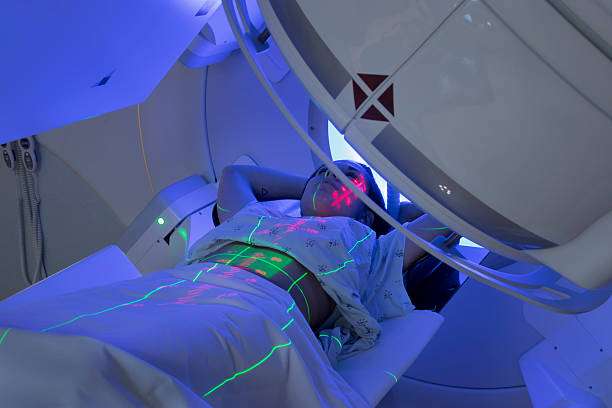
Colorectal cancer originates in the colon or rectum and is commonly associated with aging as well as lifestyle factors such as diet. Regular screenings can help detect it at an earlier stage when it is more treatable.
- Typical symptoms might include blood in stools, changes in bowel habits, or abdominal discomfort that persists over time.
- The diagnosis usually involves a colonoscopy along with imaging studies for staging purposes.
- Treatment generally encompasses surgical removal of tumors followed by chemotherapy or radiation therapy if needed.
- Counseling about dietary adjustments plays an important role in recovery post-treatment.
- Lifelong monitoring ensures any recurrence is addressed swiftly should it occur again.
A proactive approach towards colorectal health can lead to successful management outcomes for patients diagnosed with this condition.
LUNG CANCER
Lung cancer remains one of the most prevalent cancers worldwide, primarily caused by smoking but also by environmental factors and genetic predispositions. Early detection is crucial for improving outcomes.
- Common signs to watch for include persistent coughing, unexplained weight loss, and difficulty breathing.
- The diagnostic process includes imaging scans like CT scans and bronchoscopy, which helps visualize lung tissues directly.
- Treatment options range from surgical intervention to chemotherapy and targeted therapies depending on cancer type and stage.
- Supportive care such as palliative services may enhance quality of life during treatment.
- Post-treatment surveillance is essential to catch any potential recurrences early on.
A thorough understanding of lung cancer can guide affected individuals towards appropriate screening and treatment options available today.
BREAST CANCER
Breast cancer is a significant health concern that affects women and, in some cases, men. It originates in the cells of the breast and can spread to surrounding tissues or other body parts if not detected early.
- Symptoms may include a lump in the breast, changes in breast shape, or unusual discharge from the nipple.
- The diagnosis is typically confirmed through imaging tests like mammograms and biopsies.
- Treatment often involves a combination of surgery, chemotherapy, radiation therapy, and hormone therapy tailored to the individual’s specific situation.
- A multidisciplinary team usually manages care to ensure comprehensive support throughout treatment.
- Patients can expect regular follow-ups to monitor health post-treatment.
Being informed about breast cancer can empower patients to seek timely medical advice and pursue effective treatment strategies.