
Dr V S Choudha
About Me
Dr V S Choudha
MS
Orthopaedic Surgeons
10 Years Experience
Biography
My Clinic
OPD Hours
| Monday | Morning | 10:00 AM | - | 02:00 PM |
| Evening | 06:00 PM | - | 09:00 PM | |
| Tuesday | Morning | 10:00 AM | - | 02:00 PM |
| Evening | 06:00 PM | - | 09:00 PM | |
| Wednesday | Morning | 10:00 AM | - | 02:00 PM |
| Evening | 06:00 PM | - | 09:00 PM | |
| Thursday | Morning | 10:00 AM | - | 02:00 PM |
| Evening | 06:00 PM | - | 09:00 PM | |
| Friday | Morning | 10:00 AM | - | 02:00 PM |
| Evening | 06:00 PM | - | 09:00 PM | |
| Saturday | Morning | 10:00 AM | - | 02:00 PM |
| Evening | 06:00 PM | - | 09:00 PM | |
| Sunday | Morning | 10:00 AM | - | 02:00 PM |
| Evening | 06:00 PM | - | 09:00 PM |
Treatments
Specialised care and treatments offered
OSTEOPOROSIS SCREENING AND MANAGEMENT
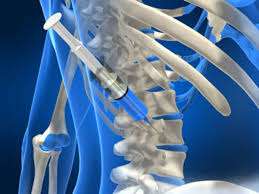
Bones become fragile from mineral loss in osteoporosis increasing fracture risk. Early detection allows prevention through lifestyle changes and medications tailored per individual assessment results from specialized investigations like DEXA scans measuring bone density precisely .
- Who needs screening: Postmenopausal women , older adults , those on steroids , or with family history warrant evaluation for silent bone weaknesses preceding fractures
- Assessment tools: Dual-energy X-ray absorptiometry (DEXA) remains gold standard providing T scores guiding diagnosis severity
- Treatment modalities: Calcium & vitamin D supplementation , weight-bearing exercises , bisphosphonates among other drugs strengthen bones preventing future breaks
- Follow-up plans: Periodic rescans track progression motivating adherence with therapies optimizing skeletal health over years
Managing osteoporosis proactively reduces morbidity ensuring safer mobility & independence especially vital for ageing populations .
CARPAL TUNNEL RELEASE SURGERY
Nerve compression at the wrist leads to carpal tunnel syndrome which causes discomfort and functional limitation. Surgical release decompresses the median nerve by cutting tight structures surrounding it within the carpal tunnel space.
- Eliciting symptoms include:Numbness, tingling in thumb, index finger predominantly worsening at night with hand weakness possible if untreated long-term. Diagnostic confirmation: Nerve conduction studies assess median nerve impairment severity alongside clinical signs like Tinel’s test positivity
- Surgical method: Endoscopic or open releases divide transverse carpal ligaments relieving pressure on nerves quickly
- Recovery details: Most patients notice symptom improvement within days but may require splinting & hand exercises during wound healing phase
The procedure effectively restores hand sensation & strength preventing permanent nerve damage when timely performed
FRACTURE FIXATION SURGERY

Treating broken bones effectively is essential for proper healing. Fracture fixation surgery realigns bone fragments using hardware such as plates, screws, or rods to restore bone integrity.
- Syndromes suited for this treatment:Bones displaced due to trauma causing instability that cannot heal correctly without intervention.
- Diagnosis process:X-rays confirm fracture type, location, displacement extent guiding treatment planning precisely.
- Surgical approach:Anatomic reduction followed by rigid fixation supports healing by maintaining alignment through immobilization internally rather than external casting alone.
- Bearing weight post-op:Certain fractures require limited weight bearing initially progressing based on healing status monitored via follow-up imaging exams.
TOTAL HIP REPLACEMENT

A severely damaged hip joint can cause debilitating pain and limit movement. Total hip replacement restores joint function by surgically replacing damaged surfaces with prosthetic components.
- Main indications: Osteoarthritis, rheumatoid arthritis, or trauma leading to chronic hip pain unresponsive to medication or therapy.
- Preoperative diagnosis:X-rays assess joint space narrowing and deformity; clinical assessment evaluates functional impairment.
- Surgical procedure:The damaged joint is removed; metal, ceramic, or plastic implants recreate a smooth articulating surface.
- Postoperative management:Pain control combined with early physiotherapy promotes healing and improves range of motion gradually over weeks to months.
Total hip replacement offers long-lasting relief and enhanced mobility for patients suffering from end-stage hip diseases that impair everyday activities.
SPINAL DECOMPRESSION THERAPY

Chronic back pain from nerve compression can significantly affect quality of life. Spinal decompression therapy aims to relieve pressure on spinal nerves non-surgically or surgically depending on severity.
- Symptoms involved: Radiating leg pain, numbness, tingling, or weakness may signal compressed nerves in conditions like herniated discs or spinal stenosis.
- Diagnostic tools: Clinical evaluation combined with MRI and sometimes CT scans confirm the exact level and cause of nerve impingement.
- Treatment options: Non-surgical traction devices slowly stretch the spine; surgical decompression removes bone or disc material compressing nerves if conservative methods fail.
- Outcome goals: Alleviating nerve inflammation leads to reduced pain and restored neurological function over time.
This therapy plays a crucial role in managing debilitating back conditions by targeting the root cause—nerve compression—to improve mobility and comfort.
ARTHROSCOPIC KNEE SURGERY

Minimally invasive techniques have transformed the way joint injuries are treated. Arthroscopic knee surgery uses small incisions and a camera to diagnose and repair damage inside the knee joint.
- Causes and symptoms: Persistent knee pain, swelling, catching, or instability often indicate meniscus tears or ligament injuries.
- Diagnosis: Imaging such as MRI complements physical examination to identify internal knee damage before arthroscopy.
- Treatment approach: During the procedure, torn cartilage can be trimmed or repaired without large incisions.
- Recovery expectations: Patients usually experience less post-op pain than open surgery and regain function faster with guided rehabilitation.
- Benefits: Reduced infection risk and improved visualization allow precise correction of pathology.
This advanced procedure offers an effective solution for many common knee problems with improved outcomes and quicker return to daily activities.