
Dr V V Krishnan
About Me
Dr V V Krishnan
Internal Medicine
Biography
My Clinic
OPD Hours
| Tuesday | Morning | 10:00 AM | - | 02:00 PM |
| Evening | 06:00 PM | - | 09:00 PM | |
| Wednesday | Morning | 10:00 AM | - | 02:00 PM |
| Evening | 06:00 PM | - | 09:00 PM | |
| Thursday | Morning | 10:00 AM | - | 02:00 PM |
| Evening | 06:00 PM | - | 09:00 PM | |
| Friday | Morning | 10:00 AM | - | 02:00 PM |
| Evening | 06:00 PM | - | 09:00 PM | |
| Saturday | Morning | 10:00 AM | - | 02:00 PM |
| Evening | 06:00 PM | - | 09:00 PM | |
| Sunday | Morning | 10:00 AM | - | 02:00 PM |
| Evening | 06:00 PM | - | 09:00 PM | |
| Thursday | Morning | 10:00 AM | - | 02:00 PM |
| Evening | 06:00 PM | - | 09:00 PM |
Treatments
Specialised care and treatments offered
GASTROESOPHAGEAL REFLUX DISEASE (GERD)
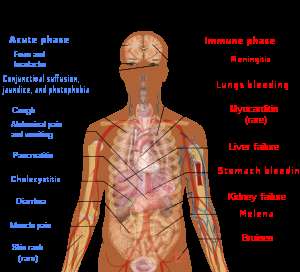
This chronic digestive condition occurs when stomach acid frequently flows back into the esophagus causing discomfort. Educating oneself about GERD aids in finding effective relief strategies.
-
Common Symptoms: Sour taste persistent heartburn difficulty swallowing regurgitation contribute remarkably affecting daily activities individuals face anxiety avoidance behaviors due reflux phenomena!
Predisposing Factors : Obesity pregnancy certain food choices smoking habits increasing likelihood GERD exacerbation cases occurring rapidly post-meal completion!
Diagnostic Approaches : EGD(Biopsy if needed manometry measures evaluate esophageal motility result effectiveness reassuring patients concerned reflect severity underlying problem appearance gastroesophageal junction territories!
Treatment Programs :
CHRONIC OBSTRUCTIVE PULMONARY DISEASE (COPD)
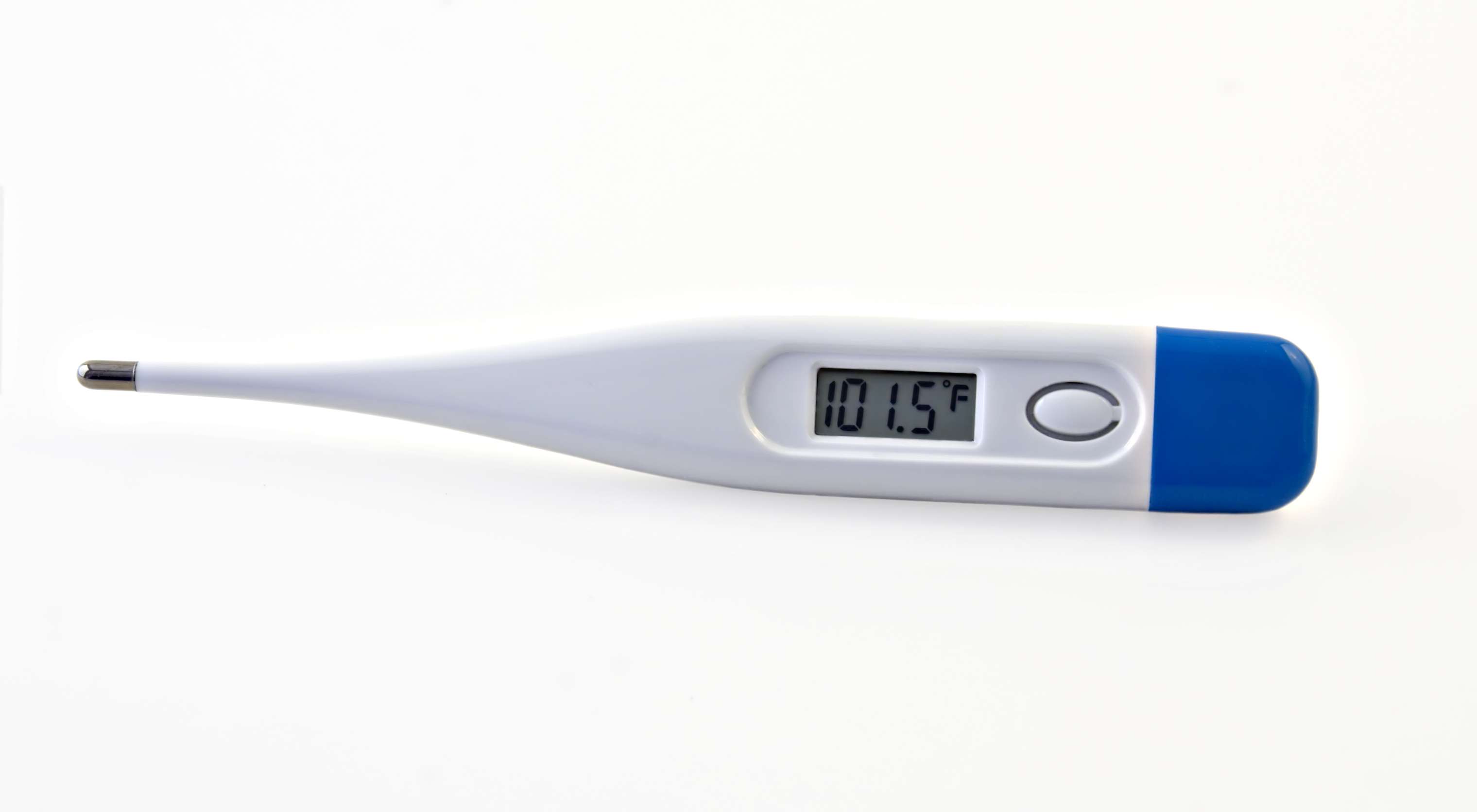
COPD encompasses progressive lung diseases including emphysema and chronic bronchitis. It's important for patients to understand this condition's impact on daily life and overall well-being.
-
Symptoms: Persistent cough with mucus production along with shortness of breath especially during exertion characterize this illness
THYROID DISORDERS
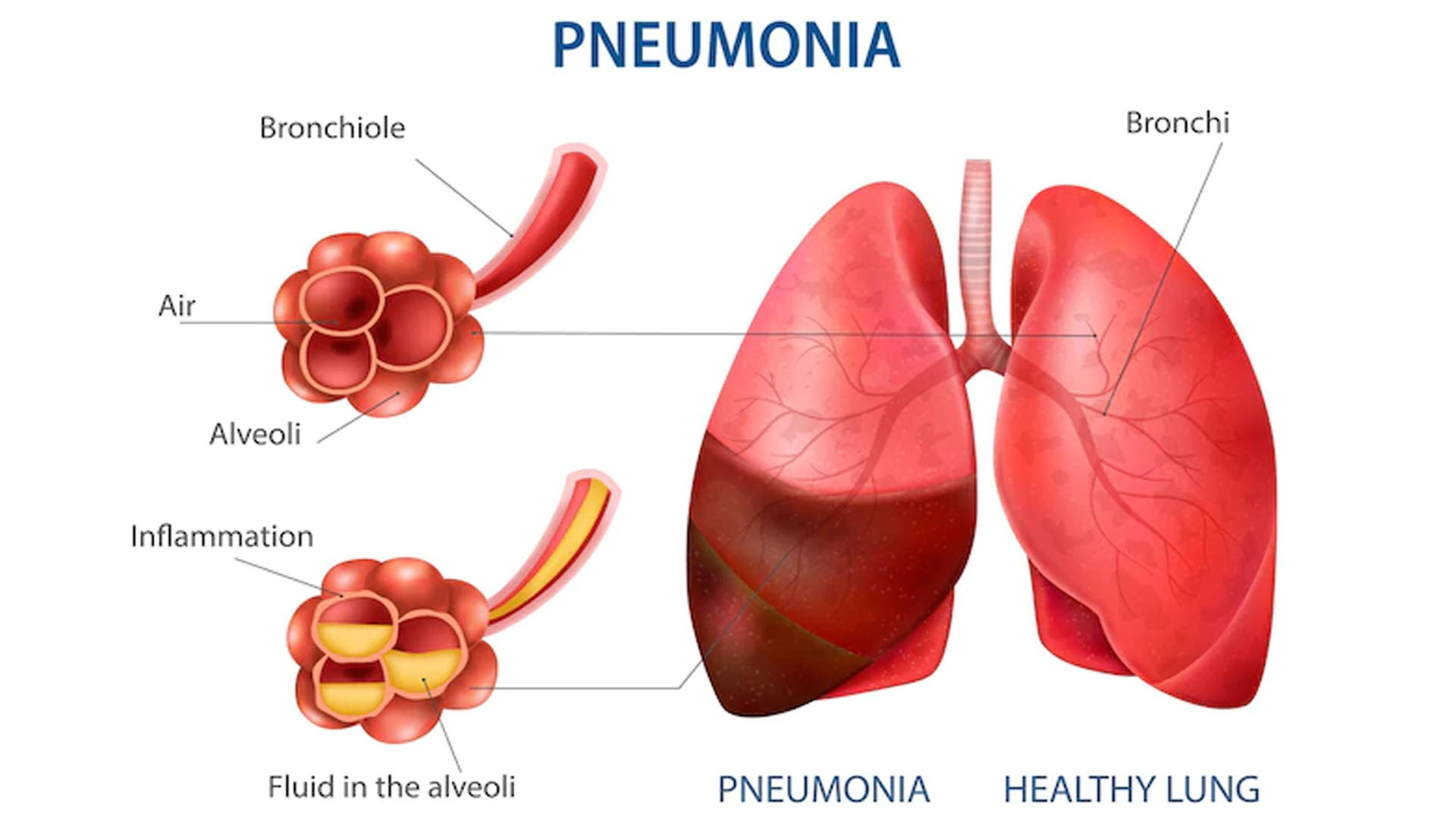
The thyroid gland plays a vital role in regulating metabolism through hormone production. Disorders such as hypothyroidism or hyperthyroidism require careful evaluation and management.
- Symptoms of hypothyroidism: Fatigue, weight gain, cold intolerance, constipation may indicate an underactive thyroid function.
- Keen Observation: Hyperthyroidism can present with weight loss, rapid heartbeat, increased appetite but nervousness or irritability might also be noted depending on individual conditions.
- Diagnosis methods include: Blood tests measuring Thyroid Stimulating Hormone (TSH) levels alongside thyroid hormones (T3 & T4).
Careful monitoring ensures thyroid disorders are effectively managed throughout one's life journey
ASTHMA
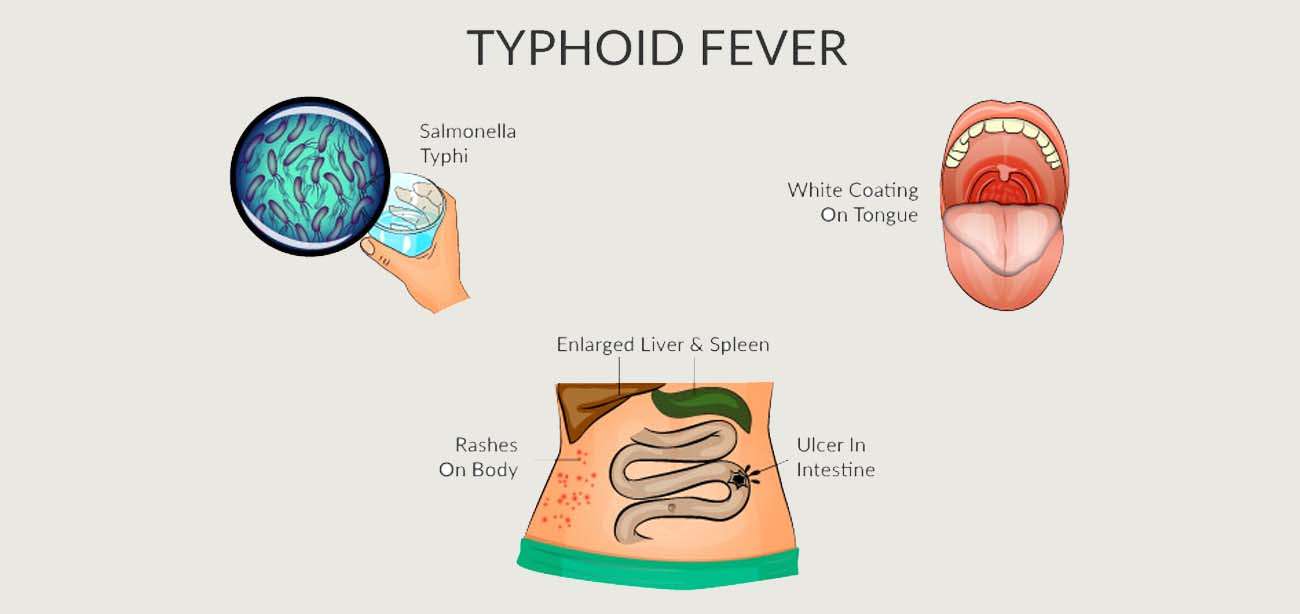
Asthma is a chronic respiratory condition that affects the airways in the lungs. Recognizing triggers and understanding treatment options is critical for effective management.
- Symptoms: Symptoms can include wheezing, coughing, chest tightness, and shortness of breath that may worsen at night or during exercise.
- Triggers: Allergens (like pollen), pollutants, respiratory infections, and physical activity can exacerbate asthma symptoms.
- Diagnosis: A combination of medical history assessment, physical examination, lung function tests (spirometry) helps establish a diagnosis of asthma.
- Treatment options: Inhalers containing bronchodilators or corticosteroids are common; avoiding known triggers is also essential for control.
An individualized action plan will enhance quality of life for those living with asthma through informed management strategies.
DIABETES MELLITUS
Diabetes mellitus is a metabolic disorder characterized by persistently high blood sugar levels. Effective management involves understanding this condition deeply.
- Symptoms: Common signs include excessive thirst, frequent urination, fatigue, and blurred vision.
- Causes: Type 1 diabetes is often autoimmune, while Type 2 is linked to lifestyle factors like obesity and inactivity.
- Diagnosis: Blood tests such as fasting glucose or HbA1c are used to diagnose diabetes and assess glucose control over time.
- Treatment: Management typically involves dietary modifications, physical activity recommendations, and insulin or oral medications as required.
- Monitoring: Regular blood sugar checks help ensure that levels remain within target ranges to prevent complications.
A comprehensive approach enables individuals to lead healthy lives despite their diagnosis of diabetes mellitus.
HYPERTENSION
Hypertension, commonly known as high blood pressure, is a chronic condition that can lead to serious health issues if left untreated. Understanding the factors associated with hypertension and its management is crucial.
- Symptoms: Often asymptomatic, it may cause headaches, shortness of breath, or nosebleeds in severe cases.
- Causes: Risk factors include obesity, sedentary lifestyle, high sodium intake, and family history.
- Diagnosis: Blood pressure readings are taken during routine checks; additional tests may be necessary to determine underlying causes.
- Treatment: Lifestyle changes such as diet and exercise are essential; medications may also be prescribed based on severity.
- Management: Regular monitoring and follow-up to adjust treatment plans as needed are essential for effective control.
A proactive approach to managing hypertension can greatly reduce the risk of complications like heart disease or stroke.