
Dr Vaibhav Bagaria
About Me
Dr Vaibhav Bagaria
Internal Medicine
Biography
My Clinic
OPD Hours
| Tuesday | Morning | 10:00 AM | - | 02:00 PM |
| Evening | 06:00 PM | - | 09:00 PM | |
| Wednesday | Morning | 10:00 AM | - | 02:00 PM |
| Evening | 06:00 PM | - | 09:00 PM | |
| Thursday | Morning | 10:00 AM | - | 02:00 PM |
| Evening | 06:00 PM | - | 09:00 PM | |
| Friday | Morning | 10:00 AM | - | 02:00 PM |
| Evening | 06:00 PM | - | 09:00 PM | |
| Saturday | Morning | 10:00 AM | - | 02:00 PM |
| Evening | 06:00 PM | - | 09:00 PM | |
| Sunday | Morning | 10:00 AM | - | 02:00 PM |
| Evening | 06:00 PM | - | 09:00 PM | |
| Thursday | Morning | 10:00 AM | - | 02:00 PM |
| Evening | 06:00 PM | - | 09:00 PM |
Treatments
Specialised care and treatments offered
OSTEOPOROSIS SCREENING
Osteoporosis is a disease characterized by weakened bones leading to an increased risk of fractures. Early screening enables timely interventions that enhance bone density maintenance over time.
- Age-related bone loss frequently occurs without any noticeable symptoms until significant bone damage occurs; thus proactive screenings are helpful.
- Diagnostic methods such as dual-energy X-ray absorptiometry (DEXA) scans provide invaluable insights into bone mineral density; these assessments allow clinicians evaluate fracture risks accurately .
- Lifestyle changes such as increased calcium intake coupled with vitamin D supplementation can bolster bone strength; moreover resistance training regimens promote healthier bones over the long run .
- If osteoporosis develops further preventative measures including medication regimens like bisphosphonates may become necessary depending upon diagnostic results .
Screening serves as an essential tool ensuring individuals remain vigilant about preserving skeletal vitality throughout aging .
HEART DISEASE RISK ASSESSMENT
A heart disease risk assessment evaluates several factors contributing to cardiovascular conditions. Recognizing these risks aids in instituting lifestyle changes tailored towards prevention and improved heart health.
- Main risk factors include high blood pressure, diabetes, smoking habits, obesity or inactivity which should all be considered during an evaluation process;
- A thorough family history review alongside lifestyle questions helps gauge personal risk profiles comprehensively.
- Dietary recommendations focusing on low saturated fats can improve cardiovascular outcomes significantly when combined with regular physical activity interventions;
This proactive approach allows individuals to take charge of their heart health by understanding risks while establishing preventive strategies effectively tailored to their needs
PREVENTIVE VACCINATIONS
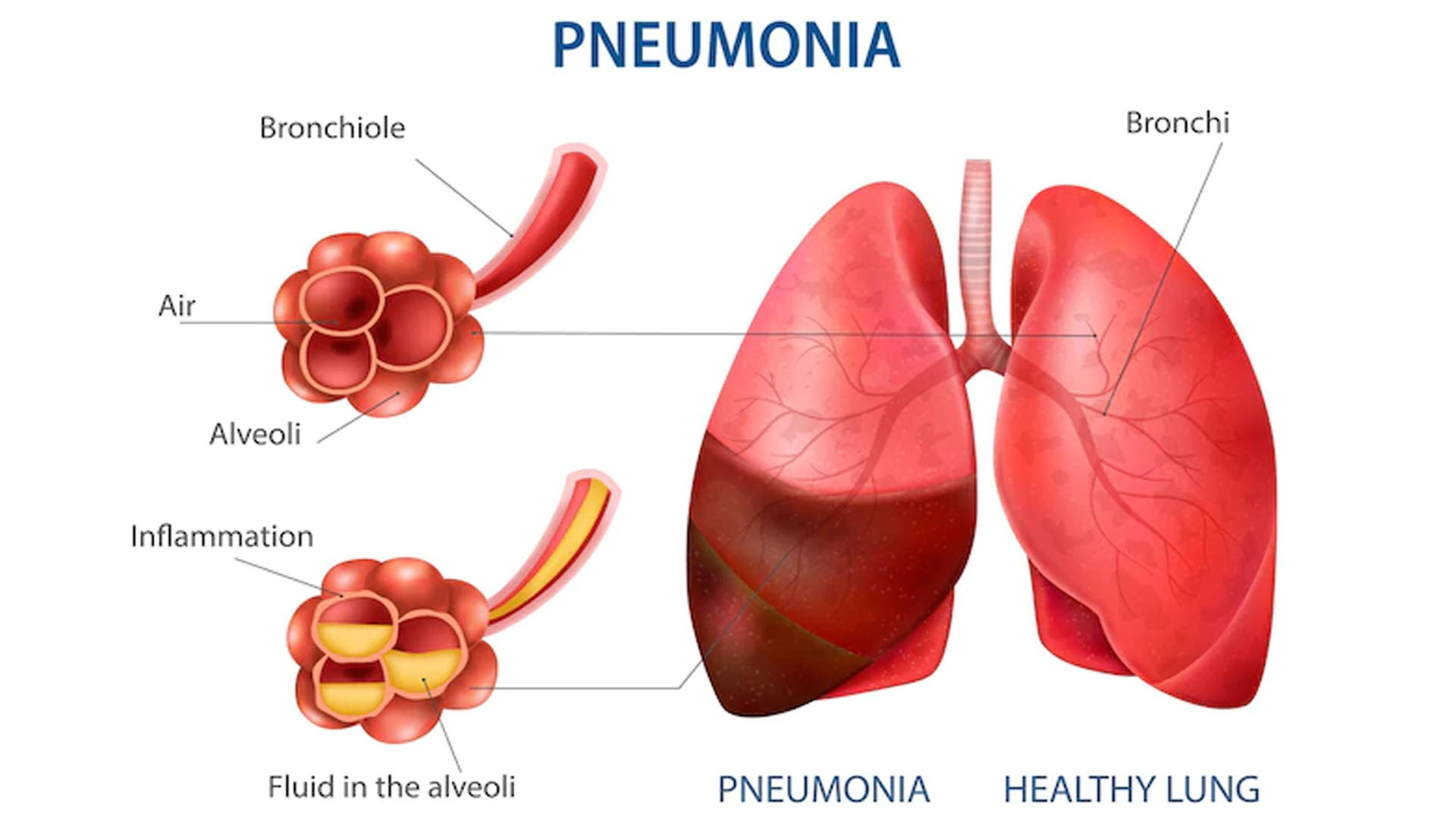
Preventive vaccinations are essential components of public health that protect against various infectious diseases. Staying updated with vaccinations helps prevent outbreaks in communities.
- Common preventive vaccines include those for influenza, pneumonia, hepatitis B, and tetanus; staying informed about required doses is vital for comprehensive care.
- Your healthcare provider will assess your vaccination history during check-ups to determine what additional vaccines you may need based on age and medical history.
- Vaccination schedules are established by public health guidelines but can also be personalized depending on specific risk factors faced by individuals in different populations.
Embracing preventive care through vaccinations significantly contributes to individual health while enhancing community immunity against transmissible diseases.
CHOLESTEROL MANAGEMENT
High cholesterol is a major risk factor for cardiovascular diseases. Understanding cholesterol levels through screenings helps in tailoring preventive measures aimed at safeguarding heart health.
- Elevated cholesterol typically shows no immediate symptoms but increases this risk over time leading to heart disease or stroke.
- A lipid panel test measures total cholesterol, LDL (bad cholesterol), HDL (good cholesterol), and triglycerides for accurate assessment.
- Lifestyle adjustments such as dietary changes emphasizing fruits, vegetables, and whole grains are foundational in managing cholesterol levels effectively.
- If necessary, medications like statins may be prescribed to support achieving target lipid levels while promoting heart health.
Caring for your cholesterol means implementing long-term strategies that empower better health outcomes down the line.
DIABETES SCREENING
Diabetes is a metabolic disorder characterized by elevated blood sugar levels either due to insulin deficiency or resistance. Early detection through regular screening is crucial for effective management.
- The main symptoms may include increased thirst, frequent urination, fatigue, and blurred vision; however, some people may be asymptomatic.
- Aging and obesity are significant risk factors that should prompt early screening tests such as fasting glucose and HbA1c levels.
- If diagnosed early, lifestyle changes along with medications can help manage diabetes effectively and reduce the risk of complications.
- Individuals should expect ongoing monitoring and possibly regular adjustments in their treatment plan based on their glucose levels.
The journey of managing diabetes is proactive; timely screening makes it possible to maintain a rewarding quality of life.
HYPERTENSION MANAGEMENT
Hypertension, often termed high blood pressure, is a chronic condition that can lead to serious health complications if left untreated. It is critical to understand its implications on heart health and overall well-being.
- Common symptoms can include headaches, shortness of breath, and nosebleeds, although many individuals may experience no symptoms at all.
- Diagnosing hypertension typically requires multiple blood pressure readings taken during separate visits to establish a clear pattern.
- Treatment options often involve lifestyle modifications such as diet and exercise, alongside medications like diuretics or ACE inhibitors for better management.
- Regular monitoring of blood pressure at home can be beneficial in gauging treatment effectiveness and ensuring optimal control.
- Managing stress through relaxation techniques can also play a vital role in reducing blood pressure levels.
With appropriate management strategies, individuals with hypertension can lead active, healthy lives while minimizing risks associated with this condition.