
Dr Vaibhav Kasodekar
About Me
Dr Vaibhav Kasodekar
Anesthesiologist
Biography
My Clinic
OPD Hours
| Tuesday | Morning | 10:00 AM | - | 02:00 PM |
| Evening | 06:00 PM | - | 09:00 PM | |
| Wednesday | Morning | 10:00 AM | - | 02:00 PM |
| Evening | 06:00 PM | - | 09:00 PM | |
| Thursday | Morning | 10:00 AM | - | 02:00 PM |
| Evening | 06:00 PM | - | 09:00 PM | |
| Friday | Morning | 10:00 AM | - | 02:00 PM |
| Evening | 06:00 PM | - | 09:00 PM | |
| Saturday | Morning | 10:00 AM | - | 02:00 PM |
| Evening | 06:00 PM | - | 09:00 PM | |
| Sunday | Morning | 10:00 AM | - | 02:00 PM |
| Evening | 06:00 PM | - | 09:00 PM | |
| Thursday | Morning | 10:00 AM | - | 02:00 PM |
| Evening | 06:00 PM | - | 09:00 PM |
Treatments
Specialised care and treatments offered
PAIN CONTROL DURING LABOR
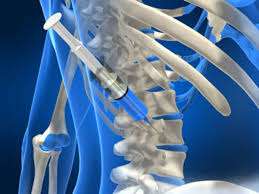
Pain control during labor plays a critical role in managing discomfort for expecting mothers. Various options are available to ensure both mother and child’s safety during childbirth processes while addressing intense sensations experienced during labor contractions effectively.
- Symptoms may vary from mild discomfort to severe contractions that require prompt intervention.
- Diagnosis usually occurs throughout early labored assessments where options will be discussed collectively between obstetricians & anesthesiologists involved.
- Treatment choices range from epidural analgesia providing targeted numbness close focus toward pelvic regions up through systemic medications allowing broader body effects throughout birthing phases.
- Expectations following administration would entail monitored responses coupled continuous adjustments ensuring optimal relief fitting evolving intensities accompanying natural childbirth processes.
Through collaboration among healthcare providers operating toward favorable maternal outcomes enhances family experiences profoundly throughout these joyous milestones!
ANXIETY RELIEF TECHNIQUES

Anxiety surrounding medical treatments is common among patients. Incorporating relaxation techniques before procedures can significantly enhance comfort levels during treatment sessions.
- A key situation prompting anxiety might include upcoming surgeries or invasive diagnostic tests.
- A thorough evaluation, including discussions about fears associated with procedures, helps create a suitable plan for relaxation techniques along with medication if necessary.
- Treatment options often involve guided imagery exercises, deep breathing techniques, or mild sedatives as appropriate choices based on individual needs.
- Paitents should expect improved emotional state leading into procedures which promotes better outcomes overall when anxiety has been managed effectively.
This proactive approach aims to transform patient experiences positively within clinical environments by focusing on mental well-being alongside physical health interventions.
POSTOPERATIVE PAIN MANAGEMENT

After surgery, many patients experience varying degrees of pain. Effective postoperative pain management is essential for enhancing recovery speed and reducing complications related to prolonged discomfort.
- The common symptom experienced includes moderate to severe pain at surgical sites after procedures.
- A detailed assessment, often using numeric scales, helps define individual pain levels post-surgery.
- Treatment might involve medications such as NSAIDs or opioids tailored to the patient's needs while considering potential side effects.
- You can expect follow-up consultations to continually evaluate pain levels and adjust therapies accordingly.
This attention ensures that recovery remains efficient while keeping patient comfort a priority during healing stages.
REGIONAL ANESTHESIA

Regional anesthesia involves injecting an anesthetic near major nerves to block sensation in targeted areas of the body. This technique is commonly used in surgeries on limbs and lower abdomen.
- The primary situation for this technique includes surgery requiring numbing of specific body regions without affecting consciousness.
- A detailed assessment ensures the patient is suitable for this form of anesthesia based on medical history.
- Treatment usually entails local administration of anesthetics, ensuring minimal discomfort throughout the procedure.
- You should expect effective pain control post-surgery with regional techniques often leading to quicker recovery times compared to general anesthesia.
This method promotes safety and satisfaction in both surgical settings and outpatient services.
SEDATION FOR DENTAL PROCEDURES

Sedation dentistry offers a way for patients to undergo dental procedures comfortably and without anxiety. It's commonly used for lengthy treatments or those who have fear associated with dental visits.
- A common symptom necessitating sedation is severe dental anxiety.
- The process begins with a diagnosis, which assesses the patient's comfort level and medical history.
- Treatment involves administering sedatives through various methods such as oral pills or IV injections.
- You can expect to feel relaxed during the procedure while remaining conscious and responsive.
This approach not only alleviates fear but also enhances overall patient experience during dental care.
CHRONIC PAIN MANAGEMENT

Chronic pain is defined as any pain that lasts longer than three months. It can be the result of an injury, health condition, or may arise without a known cause. Managing chronic pain is crucial for improving quality of life.
- Symptoms include persistent aches, sharp sensations, or stiffness.
- Diagnosis typically involves a thorough medical history and physical examination, alongside imaging tests like X-rays or MRIs.
- Treatment options may consist of medication management, physiotherapy, and lifestyle modifications.
- Expectations include ongoing evaluations to monitor effectiveness and adjustments in treatment as necessary.
Through proper management strategies, individuals can find relief and regain control over their lives.