
Dr Vaibhav Lokhande
About Me
Dr Vaibhav Lokhande
MBBS
General Surgeons
21 Years Experience
Biography
My Clinic
OPD Hours
| Monday | Morning | 09:00 AM | ||
| Evening | 09:00 PM | |||
| Tuesday | Morning | 09:00 AM | ||
| Evening | 09:00 PM | |||
| Wednesday | Morning | 09:00 AM | ||
| Evening | 09:00 PM | |||
| Thursday | Morning | 09:00 AM | ||
| Evening | 09:00 PM | |||
| Friday | Morning | 09:00 AM | ||
| Evening | 09:00 PM |
Treatments
Specialised care and treatments offered
BARIATRIC SURGERY

Bariatric surgery refers specifically identified operations designed to promote long-term weight loss among individuals struggling significantly against obesity-related health challenges. Traditional measures sometimes prove inadequate alone necessitating possible surgical interventions like gastric bypass procedures becoming increasingly common paths undertaken today!
- Candidates must qualify based upon several criteria including BMI measurements coupled alongside existing comorbidities assessed via consultation meetings following initial inquiries regarding lifestyle factors affecting health status.
- Individuals undergoing evaluation shall expect thorough assessments involving either preoperative counseling providing education surrounding upcoming changes post-surgery especially emphasizing dietary modifications alongside exercise routines essential during recovery
- Weight loss progresses steadily thereafter facilitating gradual adaptations allowing participants engaging new lifestyles avoiding pitfalls encountered beforehand over time
- Regular follow-ups ensure sustained guidance offered throughout each stage maintaining accountability practices contributing toward achieving lasting results down longer horizon.
This innovative approach warrants thorough exploration whenever facing obesity hurdles potentially impacting far beyond appearance alone.
LAPAROSCOPIC SURGERY

Laparoscopic surgery is a minimally invasive technique used across various surgical procedures. It offers numerous benefits over traditional open surgeries including reduced recovery times and minimal scarring due to small incisions made during the procedure.
- This type of surgery can address many conditions such as hernias or gallbladder issues through keyhole incisions made in strategic locations on your body
APPENDECTOMY
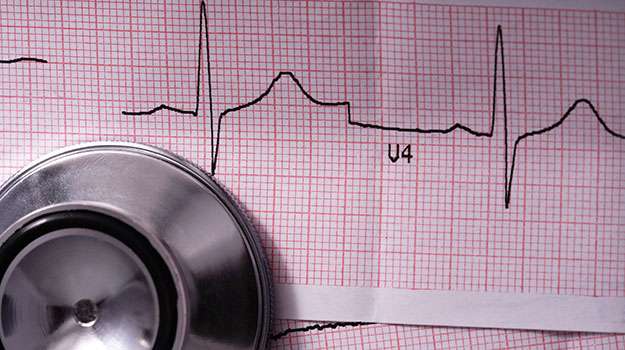
An appendectomy is the surgical removal of the appendix, commonly performed when there's acute appendicitis—a condition marked by inflammation of this small pouch attached to the large intestine.
- Patients typically experience intense abdominal pain starting near the belly button that migrates to the lower right abdomen, accompanied by fever and nausea.
- A doctor will diagnose appendicitis based on symptom review and physical examinations along with imaging tests like ultrasounds or CT scans if needed.
- The primary treatment method is surgery; while open surgery remains an option, many cases now utilize laparoscopic techniques that allow for smaller incisions and quicker recovery times.
- After surgery, patients generally require minimal hospital stay and can quickly return home following post-operative instructions concerning rest and activity levels
If you suspect appendicitis due to related symptoms, seek medical care immediately as delays can lead to serious complications!
COLON CANCER SCREENING
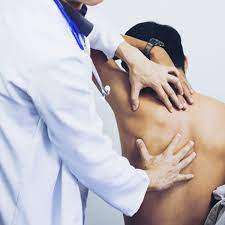
Screening for colon cancer is crucial for early detection and improved survival rates. Various screening methods are available depending on individual risk factors and age.
- Typical symptoms of colorectal issues might include changes in bowel habits, unexplained weight loss, or blood in stools.
- The process usually begins with a thorough medical history followed by options like colonoscopy or stool tests for accurate diagnosis.
- If polyps or cancer are detected during screening, further procedures may be necessary for treatment which could involve surgery among other therapies.
- Pediatricians recommend routine screenings beginning at age 45 for average-risk individuals but earlier for those with family histories of colorectal cancers.
Regular screenings are vital; they can save lives by identifying problems before they worsen.
GALLBLADDER REMOVAL (CHOLECYSTECTOMY)
The gallbladder is a small organ responsible for storing bile, which helps digest fats. Problems such as gallstones can cause significant discomfort and lead to complications if left untreated.
- Common symptoms include severe abdominal pain, nausea, and indigestion, particularly after fatty meals.
- A medical professional often diagnoses the issue through ultrasound or other imaging studies to visualize the gallstones.
- Surgical removal of the gallbladder is the standard treatment and can often be performed laparoscopically.
- Recovery from this procedure tends to be quick with many patients resuming normal activities within a week.
- A post-surgery diet may need some adjustment as your body adapts without the gallbladder.
If you're experiencing symptoms indicative of gallbladder issues, seeking medical advice promptly is advisable.
HERNIA REPAIR
A hernia occurs when an organ pushes through an opening in the muscle or tissue that holds it in place. This condition can happen in various parts of the body, including the abdomen and groin.
- Symptoms may include a noticeable bulge, pain, or discomfort especially when lifting heavy objects.
- Diagnosis typically involves a physical examination and may require imaging tests such as ultrasound or CT scans.
- Treatment often involves surgery to repair the hernia, which can be performed using minimally invasive techniques.
- Post-operative care is essential to ensure proper recovery; patients should follow their surgeon's guidelines for activity restrictions.
- In most cases, patients can expect improved comfort and a return to normal activities after adequate healing.
Early intervention can lead to better outcomes, so it is important to consult a healthcare professional if you suspect a hernia.