
Dr Vaibhav S Mehta
About Me
Dr Vaibhav S Mehta
Cardiologist
Biography
My Clinic
OPD Hours
| Tuesday | Morning | 10:00 AM | - | 02:00 PM |
| Evening | 06:00 PM | - | 09:00 PM | |
| Wednesday | Morning | 10:00 AM | - | 02:00 PM |
| Evening | 06:00 PM | - | 09:00 PM | |
| Thursday | Morning | 10:00 AM | - | 02:00 PM |
| Evening | 06:00 PM | - | 09:00 PM | |
| Friday | Morning | 10:00 AM | - | 02:00 PM |
| Evening | 06:00 PM | - | 09:00 PM | |
| Saturday | Morning | 10:00 AM | - | 02:00 PM |
| Evening | 06:00 PM | - | 09:00 PM | |
| Sunday | Morning | 10:00 AM | - | 02:00 PM |
| Evening | 06:00 PM | - | 09:00 PM | |
| Thursday | Morning | 10:00 AM | - | 02:00 PM |
| Evening | 06:00 PM | - | 09:00 PM |
Treatments
Specialised care and treatments offered
HEART VALVE PROBLEMS

The performance of your heart valves is crucial for proper circulation throughout your body. Heart valve problems occur when one or more valves do not open properly or leak excessively leading eventually towards worsening cardiac implications if overlooked!
- Symptoms & Causes: Symptoms could range from fatigue upon exertion alongside occasional chest discomfort; reasons may vary widely inclusive but certainly not limited by congenital defects acquired infections rheumatic fever strains etc…
- Diagnosis: Cardiac echo tests allow visualization openings functioning behind each respective valve thus enabling physicians beforehand establishing potential abnormalities requiring further investigation/intervention depending severity noted through imaging results obtained per assessment protocol laid out originally!
- Treatment Options: Interventions depend largely upon case specifics—mild forms might only need routine observations while vigorous types necessitate surgical procedures like valvuloplasty repair/replacement options aimed restoring appropriate flows inside body again thereafter via minimally invasive techniques nowadays available openly across many health establishments offering specialized cardiac services provided suitably!
- What To Expect: Close monitoring essential through appointments ensuring requisite recovery set out well maintained thereafter allowing gradual return daily activities resumed comfortably post-operation ensuring optimal well-being achieved regularly moving forward continually thereafter!
Addressing these underlying conditions early facilitates healthier outcomes ultimately benefiting everyone involved proactively addressing collective wellbeing together ensuring peace mind always maintained whole journey through good times bad alike coming forward beyond doubt onto brighter horizons ahead clearly visible unfolding graciously just field reached!
HIGH CHOLESTEROL
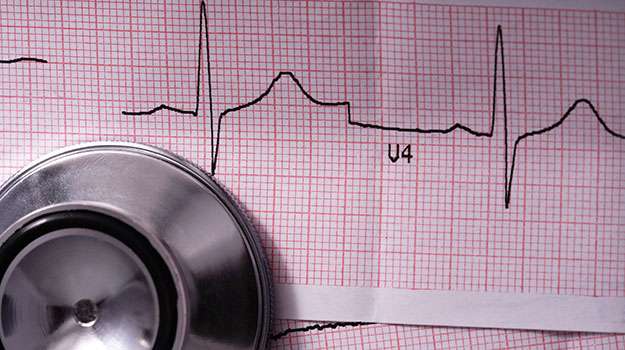
Elevated cholesterol levels pose significant risks for cardiovascular diseases including coronary artery disease. Understanding this condition aids in implementing preventative strategies early on.
- Symptoms and Causes: High cholesterol typically does not present clear symptoms; however it contributes significantly towards atherosclerosis — a hardening of arteries caused by fat deposits. Poor diet choices along with lack of physical activity are primary contributors.
- Diagnosis: Cholesterol levels are assessed through a simple blood test called a lipoprotein panel measuring low-density lipoprotein (LDL) which is considered 'bad' cholesterol versus high-density lipoprotein (HDL) 'good' cholesterol levels.
- Treatment Options: Lifestyle alterations focusing on diet rich in fruits/vegetables combined with aerobic exercises can greatly decrease LDL levels while potentially increasing HDL ones; furthermore statins prescribed clinically assist patients normalize their count more efficiently under medical supervision!
- What to Expect: Regular testing every few months alongside adhering strictly towards healthier habits significantly increases one’s overall wellness index! This approach reduces chances at developing serious cardiovascular issues down line!
Proactive engagement makes all difference when tackling high cholesterol concerns head-on together & safeguarding future cardiovascular health!
ATRIAL FIBRILLATION
Atrial fibrillation is characterized by irregular and often rapid heartbeat that can increase the risk of strokes and other complications. This condition requires prompt diagnosis for effective management.
- Symptoms and Causes: Individuals might experience palpitations, dizziness, trouble breathing, or fatigue. Factors contributing include age-related changes in heart structure, excessive alcohol consumption, or underlying thyroid issues.
- Diagnosis: An electrocardiogram (ECG) is commonly used for diagnosing atrial fibrillation by capturing the electrical activity of the heart during episodes.
- Treatment Options: Management strategies might include anticoagulants to prevent clots along with rhythm control medications or interventions such as catheter ablation in specific cases for restoring normal rhythm.
- What to Expect: Consistent follow-up care ensures that any adjustments in medication are made timely based on individual response or symptomatology changes over time.
Efficacious management can help those living with atrial fibrillation maintain a healthy lifestyle while minimizing associated risks!
HEART FAILURE
Heart failure occurs when the heart cannot pump enough blood to meet the body’s needs. This chronic condition requires careful management and ongoing treatment.
- Symptoms and Causes: Patients may experience persistent fatigue, swelling in legs or abdomen (edema), and shortness of breath. Common causes include prior heart attacks or high blood pressure that weaken the heart muscle over time.
- Diagnosis: Evaluation typically involves echocardiograms to assess heart function along with blood tests that measure levels of certain proteins indicative of heart failure.
- Treatment Options: Management often combines medication — such as beta-blockers or diuretics — with lifestyle modifications including dietary changes and regular exercise tailored to individual capabilities.
- What to Expect: With diligent adherence to prescribed treatments and regular follow-ups, many patients can lead active lives while managing their condition effectively.
Caring for oneself holistically plays an integral role in improving quality of life for individuals living with heart failure.
CORONARY ARTERY DISEASE
This condition involves the narrowing or blockage of coronary arteries due to plaque buildup, leading to reduced blood flow to the heart muscle. It is one of the leading causes of heart attacks.
- Symptoms and Causes: Many people may experience chest pain (angina), fatigue, or shortness of breath during physical activity. Risk factors include smoking, high cholesterol, and diabetes.
- Diagnosis: Diagnosis may involve stress tests, angiograms, or imaging studies that assess blood flow within the coronary arteries.
- Treatment Options: Treatment strategies focus on lifestyle adjustments alongside medications such as statins or antiplatelet drugs. In some cases, procedures like angioplasty or bypass surgery may be necessary.
- What to Expect: Early intervention generally leads to better outcomes. Ongoing care will be needed to monitor heart health and prevent further complications.
A comprehensive approach involving both medical treatment and lifestyle changes can significantly improve heart health in those with coronary artery disease.
HYPERTENSION
Hypertension, commonly known as high blood pressure, is a prevalent condition that can lead to serious health issues if left unmanaged. It usually develops over many years and often has no obvious symptoms.
- Symptoms and Causes: While it may not manifest immediate symptoms, long-term effects can include headaches, shortness of breath, or nosebleeds. Factors such as obesity, sedentary lifestyle, and genetic predisposition contribute to its development.
- Diagnosis: Blood pressure readings are typically taken using a sphygmomanometer. A reading consistently above 130/80 mmHg may indicate hypertension.
- Treatment Options: Management often includes lifestyle changes like diet and exercise, along with medications such as diuretics or ACE inhibitors which help in regulating blood pressure effectively.
- What to Expect: Regular monitoring is crucial. With appropriate treatment, most individuals can manage their blood pressure and minimize the risk of heart disease or stroke.
If you suspect you have hypertension, it’s essential to consult with a healthcare professional for proper evaluation and management.