
Dr Vaibhav Sachan
About Me
Dr Vaibhav Sachan
B.P.T
Physiotherapist
10 Years Experience
Biography
My Clinic
OPD Hours
| Monday | Morning | 10:00 AM | - | 02:00 PM |
| Evening | 06:00 PM | - | 09:00 PM | |
| Tuesday | Morning | 10:00 AM | - | 02:00 PM |
| Evening | 06:00 PM | - | 09:00 PM | |
| Wednesday | Morning | 10:00 AM | - | 02:00 PM |
| Evening | 06:00 PM | - | 09:00 PM | |
| Thursday | Morning | 10:00 AM | - | 02:00 PM |
| Evening | 06:00 PM | - | 09:00 PM | |
| Friday | Morning | 10:00 AM | - | 02:00 PM |
| Evening | 06:00 PM | - | 09:00 PM | |
| Saturday | Morning | 10:00 AM | - | 02:00 PM |
| Evening | 06:00 PM | - | 09:00 PM | |
| Sunday | Morning | 10:00 AM | - | 02:00 PM |
| Evening | 06:00 PM | - | 09:00 PM |
Treatments
Specialised care and treatments offered
POST-SURGICAL REHABILITATION
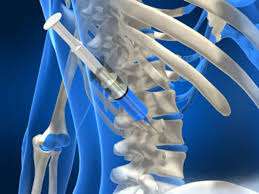
This type of rehabilitation focuses on restoring function following surgical procedures such as knee replacements or ligament repairs. Recovery requires careful planning tailored around surgery-specific protocols formulated during initial assessments conducted preoperatively.
- A structured rehabilitation program addresses post-operative soreness, strength deficits alongside any mobility limitations present initially after surgery has been performed effectively as per guidelines established earlier on respective surgeries conducted beforehand!
CERVICAL RADICULOPATHY
Cervical radiculopathy happens when nerve roots in the cervical spine become compressed or irritated. This condition often stems from herniated discs or degenerative changes associated with aging.
- Symptoms might present as pain radiating down an arm along with numbness or tingling sensations depending on which nerve root is affected.
- Diagnosis typically involves detailed history taking along with neurological examinations complemented by imaging techniques such as MRI scans whenever necessary.
- Treatment usually starts conservatively; physiotherapy focuses on neck stability through targeted exercises combined with modalities like heat therapy aimed at reducing discomfort levels.
- In some instances where conservative management fails significantly improving functional ability could lead providers toward surgical options if warranted later down line.
Addressing risk factors early could facilitate better control over symptoms preventing complications arising from chronic conditions develop over time!
KNEE OSTEOARTHRITIS

Knee osteoarthritis is a degenerative joint disease characterized by cartilage breakdown within the knee joint. Aging, obesity, and previous injuries are significant risk factors contributing to its development.
- The primary symptoms involve joint stiffness especially after periods of inactivity along with swelling and decreased range of motion in severe cases.
- An accurate diagnosis is often achieved through patient history coupled with physical examination findings; imaging studies confirm cartilage loss severity.
- Treatment aims at alleviating symptoms through various methods including exercise therapy that enhances muscle support around the knee followed by weight management strategies where needed .
Setting realistic expectations while focusing on functional goals can pave ways towards improved quality of life.
TENNIS ELBOW (LATERAL EPICONDYLITIS)

Tennis elbow refers to inflammation of the tendons that join the forearm muscles on the outside of the elbow. It's predominantly seen among those engaged in repetitive arm motions.
- The leading symptoms include pain around the outer part of the elbow which may extend down to forearm muscles.
- A clinical exam usually suffices for diagnosis; however, imaging tests might assist in ruling out other issues.
- Treatment options typically focus on rest, ice application, and specific elbow stretching or strengthening exercises prescribed by a physiotherapist.
- If symptoms persist, further interventions such as ultrasound therapy or braces may be employed to relieve pressure on affected tendons.
- Pain management strategies play a crucial role in facilitating recovery from this condition over time.
Proactive measures can help prevent recurrence by improving biomechanics during daily activities or sports involvement.
PLANTAR FASCIITIS

This common condition causes heel pain due to inflammation of the plantar fascia, a thick band of tissue connecting the heel bone to the toes. It often arises from overuse, improper footwear, or weight gain.
- Typical symptoms include sharp pain in the heel, particularly noticeable during the first steps in the morning or after prolonged sitting.
- A thorough evaluation leads to a diagnosis based on history and physical examination; imaging may be used occasionally.
- Treatment usually involves stretching exercises, orthotic devices for proper support, and sometimes anti-inflammatory medications.
- Corticosteroid injections may be considered if conservative measures fail to provide relief.
- The prognosis is generally favorable with adherence to a rehabilitative plan focused on flexibility and strengthening.
An early intervention can significantly enhance recovery chances while minimizing discomfort associated with this condition.
SHOULDER IMPINGEMENT SYNDROME

Shoulder impingement syndrome occurs when the tendons of the rotator cuff become irritated or inflamed due to repeated overhead activities. This condition is common among athletes and those who engage in manual labor.
- Symptoms include pain and weakness in the shoulder, especially when lifting, reaching, or performing overhead movements.
- The diagnosis is typically made through physical examinations and may be confirmed by imaging tests like X-rays or MRIs.
- Treatment options range from physical therapy to corticosteroid injections, aimed at reducing inflammation and improving function.
- A well-structured rehabilitation program can help restore strength and flexibility to the shoulder.
- Patients can expect gradual improvement with appropriate treatment, although full recovery may take several weeks.
This syndrome is manageable with the right approach, emphasizing prevention through proper technique and strengthening exercises.