
Dr Vaishali Math
About Me
Dr Vaishali Math
DO
Ophthalmologist
10 Years Experience
Biography
My Clinic
OPD Hours
| Monday | Morning | 10:00 AM | - | 02:00 PM |
| Evening | 06:00 PM | - | 09:00 PM | |
| Tuesday | Morning | 10:00 AM | - | 02:00 PM |
| Evening | 06:00 PM | - | 09:00 PM | |
| Wednesday | Morning | 10:00 AM | - | 02:00 PM |
| Evening | 06:00 PM | - | 09:00 PM | |
| Thursday | Morning | 10:00 AM | - | 02:00 PM |
| Evening | 06:00 PM | - | 09:00 PM | |
| Friday | Morning | 10:00 AM | - | 02:00 PM |
| Evening | 06:00 PM | - | 09:00 PM | |
| Saturday | Morning | 10:00 AM | - | 02:00 PM |
| Evening | 06:00 PM | - | 09:00 PM | |
| Sunday | Morning | 10:00 AM | - | 02:00 PM |
| Evening | 06:00 PM | - | 09:00 PM |
Treatments
Specialised care and treatments offered
PTERYGIUM SURGERY
Pterygium surgery addresses growths on the conjunctiva that can encroach upon the cornea. Often caused by sun exposure or dry environments, these fleshy protrusions may lead to discomfort or visual obstruction when untreated. Surgical removal remains a viable option when pterygia cause significant symptoms affecting one's quality of life。
- Common complaints involving pterygia include redness around eyes along with irritation sensations prompting patients seeking relief
- Diagnosis requires thorough evaluations entailing visual tests evaluating any impact of growths upon sight further confirming benign nature
- The standard surgical approach removes excess tissue while attempting prevent recurrence via advanced techniques employing grafting from healthy nearby membranes
- Expect some recovery time post-intervention alongside prescribed medications helping quell inflammation during healing periods
Prompt attention toward symptomatic pterygia leads often facilitates positive outcomes reassuring aesthetically pleasing appearances alongside functional improvements!
CORNEAL TRANSPLANTATION
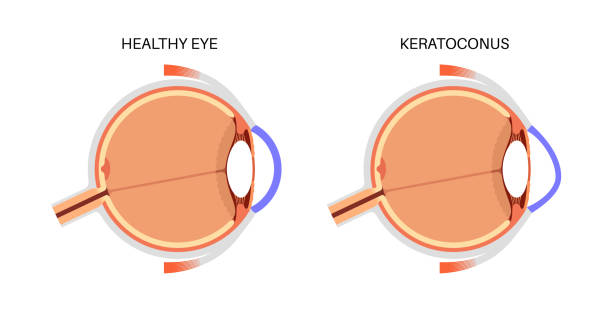
Corneal transplantation aims to replace damaged or diseased corneal tissue with healthy donor tissue, helping restore transparency and thus improve overall vision quality. Conditions leading up to this need include keratoconus or corneal scarring due injuries or infections affecting clarity and functionality.
- Persistent blurriness or distortions in sight could signal severe corneal issues requiring surgical evaluation for potential transplantation options moving forward.
- Comprehensive assessments gauge eligibility through measures assessing visual acuity against overall ocular health
- Transplants involve delicate microsurgical procedures performed under anesthesia; post-operative care emphasizes healing protocols alongside medication plans promoting successful integration of donor tissues
With modern techniques delivering high success rates today’s advancements leave many hopeful about restoring lost eyesight through careful management!
RETINA SURGERY
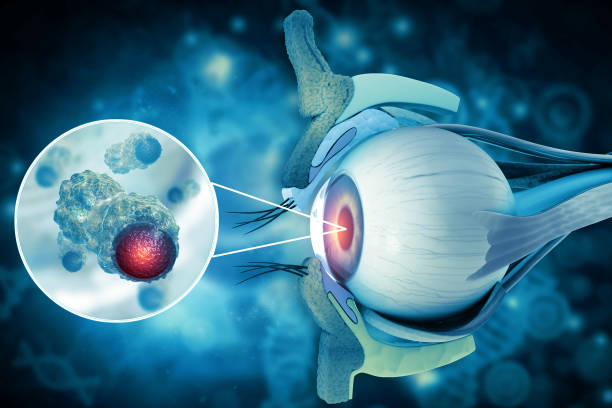
Surgery on the retina encompasses procedures addressing various conditions such as retinal detachment or macular holes. These issues can threaten central vision if they go untreated. Surgical intervention aims to repair these structural problems and restore function to preserve sight whenever possible.
- Symptoms indicating potential retinal issues include sudden flashes of light, floaters in vision, or shadowy areas obstructing your sight.
- An expert examination using imaging technology helps confirm diagnosis before selecting an appropriate surgical strategy.
- Treatment options vary based on severity—ranging from laser photocoagulation techniques to vitrectomy surgeries tailored with precision according to individual needs.
- A recovery period will follow surgery wherein regular follow-up appointments will be essential for assessing healing progress.
The integrity of your retina significantly impacts overall visual health; timely surgical action can make all the difference!
GLAUCOMA MANAGEMENT
Managing glaucoma involves treating increased intraocular pressure that can lead to optic nerve damage over time. This progressive eye disease may not present symptoms initially but can result in irreversible blindness if left untreated. Early diagnosis plays a critical role in preserving vision through various management strategies.
- Patients may experience peripheral vision loss or tunnel vision as the condition advances without intervention.
- Dilated eye exams assess the optic nerve's appearance while measuring intraocular pressure provides crucial diagnostic information.
- Treatment options range from prescription eye drops to laser therapy or surgical solutions aimed at reducing pressure inside the eye.
- Your doctor will tailor a management plan based on your specific condition and response to treatments over time.
Regular monitoring is essential for anyone diagnosed with glaucoma to safeguard against severe complications down the road.
LASER VISION CORRECTION (LASIK)
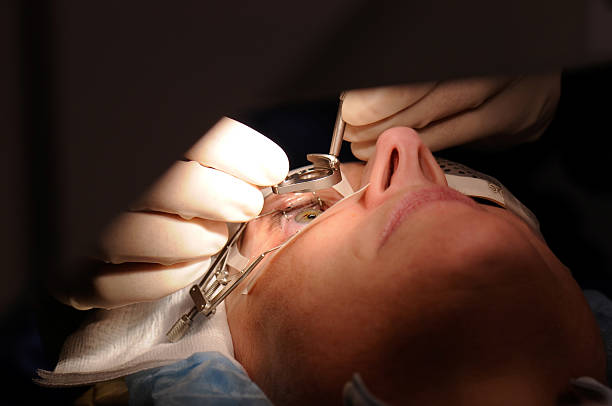
Laser vision correction procedures like LASIK are designed to reduce dependence on glasses or contact lenses. By reshaping the cornea using advanced laser technology, this treatment effectively enhances refractive errors such as myopia, hyperopia, and astigmatism. Patients often notice immediate improvements in their eyesight following this minimally invasive procedure.
- Common indications for LASIK include difficulty seeing clearly at various distances and reliance on corrective eyewear.
- A complete eye evaluation helps determine candidacy for surgery through assessments of corneal thickness and overall eye health.
- The procedure is typically completed within minutes under topical anesthesia; most patients resume normal activities shortly thereafter.
- Post-operative visits ensure proper healing and monitor any potential complications.
This innovative approach promises rapid recovery times with long-lasting results for millions seeking better vision!
CATARACT SURGERY
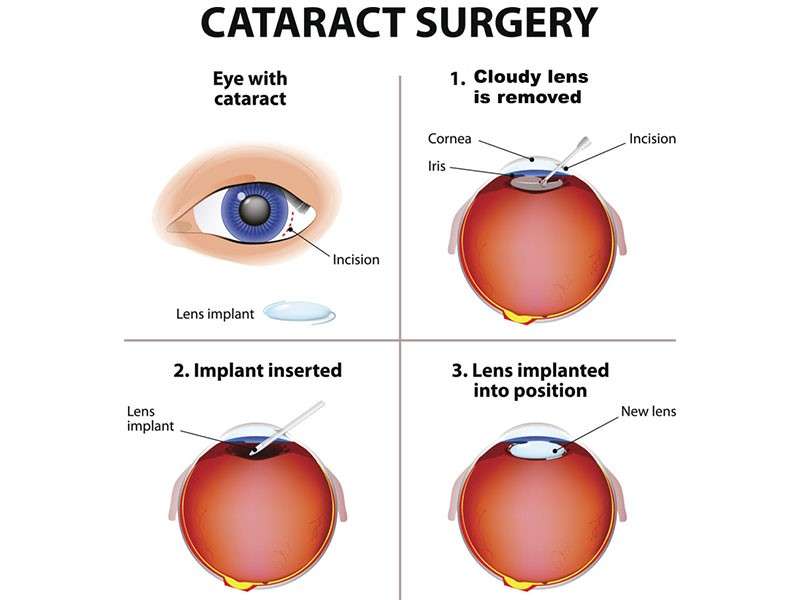
Cataract surgery is a common procedure aimed at restoring clear vision for those affected by cataracts, which are clouded areas in the lens of the eye. This condition typically develops gradually and can interfere with daily activities. By removing the cloudy lens and replacing it with an artificial intraocular lens, patients often experience a significant improvement in their visual acuity.
- Symptoms may include blurred vision, decreased night vision, and sensitivity to light.
- Diagnosis involves a comprehensive eye examination, including visual acuity tests and assessment of the lens opacity.
- Treatment primarily consists of surgical intervention, though preoperative care and postoperative follow-up are essential for optimal outcomes.
- Post-surgery, patients can expect to have improved vision within days while adhering to aftercare guidelines.
This procedure is generally safe and effective, allowing many to return to normal activities shortly after recovery.