
Dr Vandana Anand
About Me
Dr Vandana Anand
MBBS
Podiatrist
10 Years Experience
Biography
My Clinic
OPD Hours
| Monday | Morning | 10:00 AM | - | 02:00 PM |
| Evening | 06:00 PM | - | 09:00 PM | |
| Tuesday | Morning | 10:00 AM | - | 02:00 PM |
| Evening | 06:00 PM | - | 09:00 PM | |
| Wednesday | Morning | 10:00 AM | - | 02:00 PM |
| Evening | 06:00 PM | - | 09:00 PM | |
| Thursday | Morning | 10:00 AM | - | 02:00 PM |
| Evening | 06:00 PM | - | 09:00 PM | |
| Friday | Morning | 10:00 AM | - | 02:00 PM |
| Evening | 06:00 PM | - | 09:00 PM | |
| Saturday | Morning | 10:00 AM | - | 02:00 PM |
| Evening | 06:00 PM | - | 09:00 PM | |
| Sunday | Morning | 10:00 AM | - | 02:00 PM |
| Evening | 06:00 PM | - | 09:00 PM |
Treatments
Specialised care and treatments offered
DIABETIC FOOT ULCER CARE
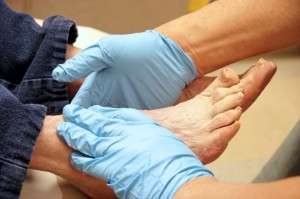
A diabetic foot ulcer arises due to impaired circulation and nerve damage impacting wound healing. Effective management reduces risk of infection and amputation in people with diabetes mellitus.
WART REMOVAL VIA CRYOTHERAPY
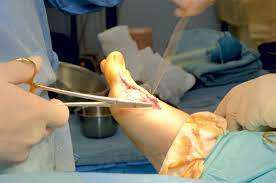
Certain types of warts frequently affect feet due to human papillomavirus infection. Cryotherapy employs extreme cold application to destroy wart tissue safely in an outpatient setting.
- Disease specifics/symptoms: Rough-textured growths often found on pressure points of soles causing discomfort while walking or standing.
- Confirming diagnosis:
MINIMALLY INVASIVE BUNION CORRECTION
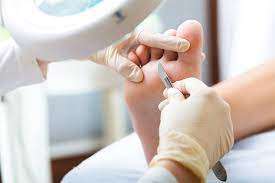
Bunions develop as bony bumps at the base of the big toe causing pain and difficulty wearing shoes. Minimally invasive surgery offers correction with reduced recovery times compared to traditional methods.
- Causative factors/symptoms: Toe misalignment causing visible deformity, swelling, irritation from friction with footwear.
- Diagnosis technique: Clinical exam supplemented by X-rays assessing joint deformity severity.
- Surgical procedure highlights: Small incisions used to realign bones via pins or screws under local or regional anesthesia; minimal soft tissue disruption promotes faster healing.
- Postoperative care expectations: Shorter immobilization periods with early mobilization advised; pain is typically controlled effectively with oral medications.
This approach minimizes scarring and downtime while improving overall foot function for suitable candidates.
CUSTOM ORTHOTICS FITTING
Custom orthotics are specialized shoe inserts designed to support foot structure and alleviate pain from various conditions. They provide personalized correction tailored to individual biomechanics.
- Indications: Flat feet, high arches, plantar fasciitis, arthritis-related foot pain among others.
- Evaluation process: Detailed foot assessment including gait analysis and 3D scanning or casting techniques used for precise measurements.
- Treatment benefits: Improved foot alignment, reduced stress on joints and tendons, enhanced comfort during walking or standing.
- User expectations: Gradual adaptation period followed by consistent use leading to symptom improvement over weeks to months.
The use of custom orthotics can significantly enhance mobility while preventing future injury when integrated into a comprehensive treatment plan.
INGROWN TOENAIL MANAGEMENT
An ingrown toenail occurs when the nail grows into the surrounding skin causing discomfort and potential infection. Proper care can prevent complications and promote healing.
- Symptoms/causes: Pain, redness, swelling around nail edges; often due to improper nail trimming or tight footwear.
- Diagnosis process: Clinical inspection assessing inflammation extent and any infection signs.
- Treatment approaches: Soaking the foot in warm water, antibiotic creams if infected; in persistent cases, minor surgical removal of part of the nail may be performed under local anesthesia.
- Aftercare: Keeping the area clean and dry; wearing comfortable shoes to avoid pressure on the nail.
Treated appropriately, most patients see symptom resolution within days to weeks without requiring invasive procedures.
PLANTAR FASCIITIS TREATMENT
Plantar fasciitis is a common cause of heel pain resulting from inflammation of the thick band of tissue connecting the heel bone to the toes. It often worsens with prolonged standing or first steps in the morning.
- Symptoms and causes: Sharp heel pain, especially upon waking; caused by repetitive stress or strain on the plantar fascia.
- Diagnosis: Physical examination focusing on tenderness at the heel; imaging like ultrasound may be used when needed.
- Treatment options: Stretching exercises, orthotic devices for arch support, anti-inflammatory medications, and physical therapy.
- Management: Activity modification to reduce impact, night splints to maintain foot position during sleep.
With early intervention and adherence to recommended therapies, most individuals experience pain relief and return to normal activities within months.