
Dr Vandana Patid
About Me
Dr Vandana Patid
MBBS
Therapist
10 Years Experience
Biography
My Clinic
OPD Hours
| Monday | Morning | 10:00 AM | - | 02:00 PM |
| Evening | 06:00 PM | - | 09:00 PM | |
| Tuesday | Morning | 10:00 AM | - | 02:00 PM |
| Evening | 06:00 PM | - | 09:00 PM | |
| Wednesday | Morning | 10:00 AM | - | 02:00 PM |
| Evening | 06:00 PM | - | 09:00 PM | |
| Thursday | Morning | 10:00 AM | - | 02:00 PM |
| Evening | 06:00 PM | - | 09:00 PM | |
| Friday | Morning | 10:00 AM | - | 02:00 PM |
| Evening | 06:00 PM | - | 09:00 PM | |
| Saturday | Morning | 10:00 AM | - | 02:00 PM |
| Evening | 06:00 PM | - | 09:00 PM | |
| Sunday | Morning | 10:00 AM | - | 02:00 PM |
| Evening | 06:00 PM | - | 09:00 PM |
Treatments
Specialised care and treatments offered
SOLUTION-FOCUSED BRIEF THERAPY (SFBT)
This short-term therapy emphasizes building solutions rather than dwelling extensively on problems. It aims at creating actionable steps toward achieving patient-defined goals quickly and effectively within therapeutic settings.
- Applicable conditions : Helpful in mild-medium anxiety , adjustment difficulties , or situational crises .
- Assessment methods : Therapist explores client strengths , resources , previous successes during intake.
- Treatment features : Sessions focus primarily on goal setting , identifying exceptions to problems , future visualization .
- Patient expectations : Usually relatively few sessions needed ; emphasis placed on immediate practical changes.
This model supports empowerment by mobilizing existing abilities tailored towards rapid problem resolution suited for busy lifestyles requiring minimally invasive interventions.
BEHAVIORAL ACTIVATION THERAPY
This therapeutic approach targets inactivity patterns often found in depressive disorders by encouraging engagement in meaningful activities. It is designed to break cycles of avoidance that worsen mood states over time.
- Symptoms addressed: Low motivation , withdrawal , decreased pleasure from usual activities are key indicators .
- Diagnostic process: Clinical interviews determine degree of behavioral avoidance associated with depressive symptoms .
- Treatment modalities: Scheduling enjoyable or goal-oriented actions progressively increases activity levels .
- What patients can expect : Therapists guide patients through planning , monitoring progress , and reinforcing positive behaviors .
By fostering active participation in life’s rewarding experiences , this therapy aids recovery from depression supporting sustained mood improvement .
INTERPERSONAL THERAPY (IPT)
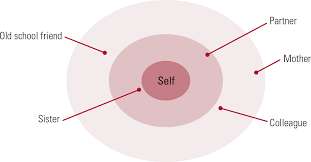
A structured form of psychotherapy focused on improving interpersonal relationships which significantly affects emotional well-being. IPT helps identify problematic social interactions contributing to psychological symptoms.
- Spheres impacted: Useful in treating depression linked to role transitions, grief or interpersonal disputes.
- Diagnostic considerations: Mental health assessment includes exploration of social context alongside symptom evaluation.
- Treatment framework:: Time-limited sessions focusing on communication skills enhancement and conflict resolution strategies within relationships are central components.
- User engagement:: Patients work collaboratively with therapists setting goals related to improving current social functioning problems over 12–16 weeks typically.
RELAXATION TECHNIQUES THERAPY
The use of relaxation techniques serves as a non-invasive method to decrease anxiety and promote emotional calm. These methods can be easily incorporated into daily routines for better stress control.
- Main symptoms helped: Suitable for individuals experiencing tension headaches, insomnia, or general anxiety symptoms.
- Evaluation process: A therapist assesses the severity of stress or anxiety impacting quality of life.
- Treatment options include: Progressive muscle relaxation, deep breathing exercises, guided imagery, and biofeedback training.
- User experience: Learning these techniques requires practice but can yield quick relief during acute episodes of distress.
This approach emphasizes self-regulation skills enabling patients to actively reduce physical manifestations of stress without medication reliance.
MINDFULNESS-BASED STRESS REDUCTION (MBSR)
Mindfulness-Based Stress Reduction (MBSR) is a therapeutic program designed to reduce stress through meditation and awareness techniques. It encourages present-moment focus to alleviate physical and emotional tension.
- Symptoms addressed: Helps with chronic pain, anxiety, depression, and stress-related issues.
- Assessment: Typically evaluated through patient history focusing on stress levels and coping ability.
- Treatment method: Consists of guided mindfulness meditation practices delivered over 8 weeks.
- Patient involvement: Requires daily mindfulness exercises outside session time for maximum benefit.
- Outcomes: Participants often report improved mood regulation and greater emotional resilience.
MBSR offers a holistic approach that integrates mind-body awareness as an effective tool in managing everyday stressors while enhancing overall mental health.
COGNITIVE BEHAVIORAL THERAPY (CBT)
Cognitive Behavioral Therapy (CBT) is a widely used psychological treatment aimed at addressing patterns of thinking and behavior that contribute to mental health challenges. It focuses on the link between thoughts, feelings, and actions to bring about positive change.
- Symptoms and causes: Commonly recommended for anxiety, depression, phobias, and stress management.
- Diagnosis: A mental health professional evaluates symptoms through interview and questionnaires.
- Treatment approach: Structured sessions help identify harmful thought patterns and develop coping strategies.
- What to expect: Usually involves 6–20 weekly sessions with homework assignments to practice skills learned.
- Effectiveness: Proven in numerous studies to reduce symptoms and improve functioning in various conditions.
This therapy empowers individuals by teaching practical tools for managing emotions and behavior, promoting long-term wellbeing through active participation.