
Dr Vandana Ranka
About Me
Dr Vandana Ranka
MBBS
General Physician
Biography
My Clinic
OPD Hours
| Monday | Morning | 10:00 AM | - | 02:00 PM |
| Evening | 06:00 PM | - | 09:00 PM | |
| Tuesday | Morning | 10:00 AM | - | 02:00 PM |
| Evening | 06:00 PM | - | 09:00 PM | |
| Wednesday | Morning | 10:00 AM | - | 02:00 PM |
| Evening | 06:00 PM | - | 09:00 PM | |
| Thursday | Morning | 10:00 AM | - | 02:00 PM |
| Evening | 06:00 PM | - | 09:00 PM | |
| Friday | Morning | 10:00 AM | - | 02:00 PM |
| Evening | 06:00 PM | - | 09:00 PM | |
| Saturday | Morning | 10:00 AM | - | 02:00 PM |
| Evening | 06:00 PM | - | 09:00 PM | |
| Sunday | Morning | 10:00 AM | - | 02:00 PM |
| Evening | 06:00 PM | - | 09:00 PM |
Treatments
Specialised care and treatments offered
ALLERGY TESTING AND TREATMENT
Allergies result from the immune system's adverse reaction to certain substances known as allergens. Proper identification assists patients in avoiding triggers effectively!
- Symptoms range from sneezing & nasal congestion to hives & potential anaphylaxis in severe cases.
- Testing methods include skin prick tests or specific IgE blood tests conducted per patient history & assessment findings–vital tools in identifying triggers accurately!
- Management often incorporates antihistamines & avoidance strategies tailored according individual reactions—important components ensuring compliance!
- For severe allergies causing anaphylactic responses; epinephrine auto-injectors become lifesaving resources enabling rapid intervention during emergencies!
Ongoing educational support aids individuals navigating day-to-day living safely alongside their allergy concerns considerably empowering them every step forward!
CHOLESTEROL MANAGEMENT

High cholesterol can lead to heart disease; thus, understanding its implications is essential. Regular monitoring helps keep levels in check before they escalate into serious issues.
- The condition usually presents no symptoms but may lead to severe cardiovascular problems over time if unmanaged.
- Diagnosis commonly occurs through routine blood tests assessing lipid profiles.
- Management includes dietary adjustments aimed at lowering saturated fat intake along with potential medications such as statins.
- Encouraging an active lifestyle contributes significantly towards maintaining healthier cholesterol levels as well.
- Scheduled follow-ups are critical in tracking progress toward achieving target cholesterol levels effectively.
Proactive management of cholesterol by implementing lifestyle modifications plays an essential role in preserving heart health long-term.
SKIN CONDITIONS EVALUATION
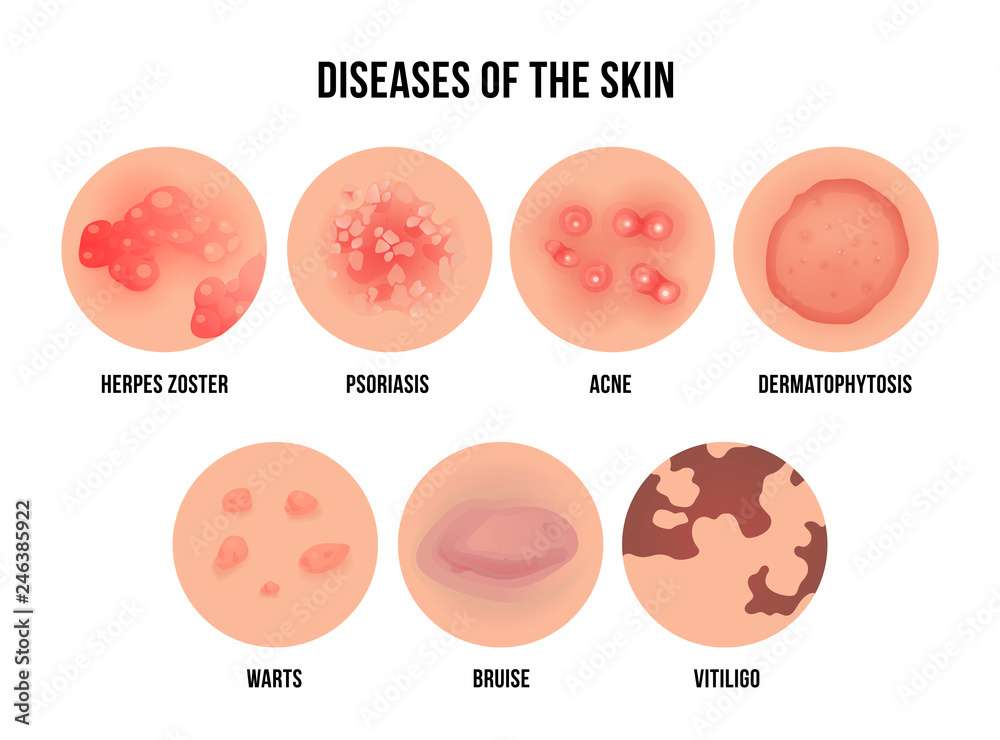
Various skin conditions can arise due to allergies, infections, or underlying health issues. Identifying the specific issue is vital for proper treatment.
- Typical symptoms might include redness, itching, swelling, or rashes that cause discomfort or pain.
- A thorough examination by a physician allows for accurate diagnosis based on visual inspection or biopsy if required.
- Treatment options vary from topical treatments like corticosteroids for inflammation to systemic medications for more severe cases.
- Patient education regarding skincare routines can enhance recovery and prevent flare-ups in conditions like eczema or psoriasis.
- Regular follow-up consultations help track progress and adjust treatments as necessary.
Tending promptly to skin conditions greatly improves quality of life while providing reassurance through effective care plans.
RESPIRATORY INFECTIONS TREATMENT
Respiratory infections are caused by pathogens affecting the airways and lungs. Understanding these infections is key for appropriate treatment.
- Common symptoms include cough, fever, fatigue, and difficulty breathing depending on severity.
- Your doctor will assess symptoms along with conducting chest exams or ordering imaging tests for accurate diagnosis.
- Treatment may involve rest, hydration, antiviral medications for viral infections, or antibiotics for bacterial strains when needed.
- Preventative measures such as vaccinations can also play a significant role in reducing incidents of respiratory infections.
- Educating patients about recognizing symptoms early can lead to quicker intervention and better recovery outcomes.
A thorough understanding of respiratory infections facilitates timely care and minimizes complications associated with these conditions.
DIABETES SCREENING AND MANAGEMENT

Diabetes is a chronic condition that affects how the body processes glucose. Early detection through screening can help manage this condition effectively.
- The main symptoms include increased thirst, frequent urination, extreme fatigue, and blurred vision.
- Diagnosis involves fasting blood sugar tests or HbA1c tests to measure long-term glucose levels.
- Treatment strategies include dietary modifications, physical activity enhancement, and medication when warranted.
- Patient education on carbohydrate counting and blood sugar monitoring is crucial for effective management.
- A collaborative approach with healthcare professionals can empower patients in controlling their diabetes effectively.
Regular follow-ups are essential to ensure optimal management of diabetes and prevent complications.
HYPERTENSION MANAGEMENT
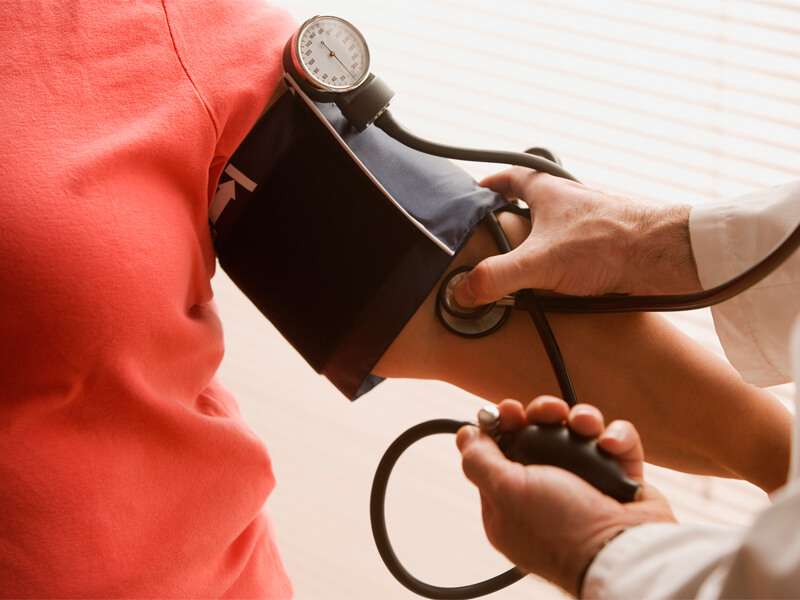
Hypertension, or high blood pressure, is a common health condition that often goes unnoticed. It poses serious risks if left untreated, including heart disease and stroke.
- Symptoms may include frequent headaches, dizziness, and vision changes, although many individuals may feel fine.
- Diagnosis typically involves measuring blood pressure during regular check-ups.
- Treatment options can include lifestyle changes such as a balanced diet and regular exercise, along with medications when necessary.
- Routine monitoring of blood pressure is advised to gauge treatment effectiveness.
- The goal of management is to maintain blood pressure within a healthy range to minimize risk factors.
A comprehensive approach to managing hypertension can significantly improve overall health outcomes.