
Dr Varun Gunavanthe
About Me
Dr Varun Gunavanthe
Urologists
Biography
My Clinic
OPD Hours
| Tuesday | Morning | 10:00 AM | - | 02:00 PM |
| Evening | 06:00 PM | - | 09:00 PM | |
| Wednesday | Morning | 10:00 AM | - | 02:00 PM |
| Evening | 06:00 PM | - | 09:00 PM | |
| Thursday | Morning | 10:00 AM | - | 02:00 PM |
| Evening | 06:00 PM | - | 09:00 PM | |
| Friday | Morning | 10:00 AM | - | 02:00 PM |
| Evening | 06:00 PM | - | 09:00 PM | |
| Saturday | Morning | 10:00 AM | - | 02:00 PM |
| Evening | 06:00 PM | - | 09:00 PM | |
| Sunday | Morning | 10:00 AM | - | 02:00 PM |
| Evening | 06:00 PM | - | 09:00 PM | |
| Thursday | Morning | 10:00 AM | - | 02:00 PM |
| Evening | 06:00 PM | - | 09:00 PM |
Treatments
Specialised care and treatments offered
INFERTILITY ASSESSMENT
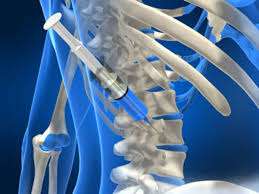
The journey towards parenthood may sometimes encounter obstacles rooted in infertility challenges affecting couples trying conceive children successfully. An infertility assessment involves meticulous evaluations determining underlying factors contributing difficulties faced during conception efforts!
- Common causes can derive male-factor issues impacting sperm production/quality along hormonal imbalances resulting within reproductive systems causing challenges surrounding fertility.< / l i >< l i >Diagnosis often involves carefully analyzing patients’ medical histories alongside conducting thorough semen analyses checking parameters like sperm count/motility ensuring accurate identification available ahead intervention measures being implemented accordingly!< / l i >< l i >Management approaches could entail medicinal therapies targeting hormonal imbalances prevailing among men while assisted reproductive technologies come into play should traditional methods prove ineffective providing viable alternatives letting families fulfill dreams having children!< / l i >< l i >Counseling services too become beneficial assisting partners navigate emotional hurdles stemming infertility struggles assuring emotional well-being reinstated throughout journey alongside physical interventions whatever routes taken ahead new parenthood adventures await them both feet forward together confidently!< / l i >
If considering starting family finding competent urological expertise guiding comprehensive assessments early-on bolsters chances realizing aspirations becoming parents much sooner rather than later indeed precious moments cherished lifetime long await those little ones brought life!
BLADDER CANCER EVALUATION

A comprehensive evaluation is essential in diagnosing bladder cancer accurately. This process begins when patients display concerning symptoms prompting further investigation by healthcare professionals specializing in urology care pathways.
- Symptoms often reported include urgent need to urinate without relief despite emptying bladder frequently accompanied by visible blood in urine—a common red flag!
- An initial assessment usually includes history taking followed by exploratory tests: cystoscopy allows direct visualization inside urethra & bladder walls via fiber optic instruments aiding diagnosis considerably!
- Even imaging studies like CT scans will provide additional insights depicting organ integrity & possible tumors' extent during evaluations!
- Treatment varies based on tumor grade/staging from minimally invasive techniques—like transurethral resection—to radical approaches involving complete organ removal aimed at ensuring best outcomes based upon individual circumstances observed during evaluations!
- Continued follow-up after initial treatments plays an integral role ensuring no recurrences arise down road while patient awareness remains paramount towards managing personal healthcare goals moving ahead!
Early detection leads dramatically improved prognoses hence timely seeking expert evaluation pays dividends concerning this particular malignancy!
ERECTILE DYSFUNCTION

Erectile dysfunction (ED) is the inability to achieve or maintain an erection suitable for sexual intercourse. It can stem from various psychological or physical causes that impact men's intimate relationships and overall well-being.
- The condition may present alongside symptoms such as reduced sexual desire or difficulty achieving orgasm over time.
- Common causes include underlying conditions like diabetes, cardiovascular disease, stress or depression affecting blood flow and nerve signals associated with erections.
- Diagnosis typically starts with discussing medical history alongside physical examinations; further testing might involve blood tests to check testosterone levels.
- Management options range from lifestyle modifications — quitting smoking & maintaining a healthy weight —to oral medications that enhance erectile function by improving blood flow.
- Counseling therapy may also provide helpful support when emotional factors play significant roles in ED cases more than physical ones.
Navigating erectile dysfunction doesn't have to be intimidating—consulting a urologist ensures safe exploration of effective solutions personalized just for you.
PROSTATE CANCER SCREENING

Screens for prostate cancer are vital for early detection and successful treatment. Regular screenings help identify abnormal changes in prostate health before symptoms develop significantly.
- The potential symptoms may not appear until later stages but can include difficulty urinating or blood in urine or semen.
- Your doctor may recommend a PCA3 test, digital rectal examination (DRE), or prostate-specific antigen (PSA) blood test as diagnostic tools for screening.
- If results indicate unusual findings, further workup with imaging tests like MRI may be suggested for clearer assessment of prostate health.
- Treatment options vary from active monitoring to surgery or radiation therapy depending on cancer stage and patient preference.
- This process aims not only for early detection but also ensuring tailored management strategies that improve outcomes while considering individual patient circumstances.
If you're concerned about prostate health or risk factors related to cancer history, discussing screening options with a healthcare provider is advisable for peace of mind and proactive care planning.
KIDNEY STONES

Kidney stones are hard deposits made of minerals and salts that form inside your kidneys. They can affect any part of the urinary tract and can lead to severe pain if they obstruct urine flow.
- The most common symptoms include intense pain in the back or side, blood in urine, nausea, and frequent urination.
- A diagnosis is often made through imaging tests such as an X-ray, ultrasound, or CT scan to visualize the stone's location and size.
- Treatment options depend on stone size but may include pain relief medication, drinking plenty of fluids, or procedures like lithotripsy to break up larger stones.
- If stones are recurrent or large enough to cause blockages, surgical intervention might be necessary for removal.
- Recovery varies; many individuals pass stones naturally with adequate hydration while others might need follow-up care.
Understanding kidney stones can empower individuals toward prevention through lifestyle adjustments in diet and hydration practices.
URINARY TRACT INFECTION (UTI)

Urinary Tract Infections, commonly known as UTIs, occur when bacteria infect any part of the urinary system. This condition can affect the bladder, urethra, and kidneys, leading to discomfort and serious health complications if left untreated.
- Symptoms often include a strong urge to urinate, a burning sensation during urination, cloudy urine, and pelvic pain.
- A healthcare provider typically diagnoses UTIs through urinalysis and urine culture tests to identify the presence of bacteria.
- Treatment generally involves antibiotics, which effectively eradicate the infection. Over-the-counter medications may also ease symptoms.
- It’s essential to increase fluid intake to help flush out the bacteria from the urinary tract.
- Most patients can expect significant improvement within a few days of starting treatment; however, completing the entire course of antibiotics is crucial for preventing recurrence.
If you suspect you have a UTI, seeking medical attention early on can help prevent complications such as kidney infections or chronic urinary issues.