
Dr Vasant K Shetty
About Me
Dr Vasant K Shetty
Internal Medicine
Biography
My Clinic
OPD Hours
| Tuesday | Morning | 10:00 AM | - | 02:00 PM |
| Evening | 06:00 PM | - | 09:00 PM | |
| Wednesday | Morning | 10:00 AM | - | 02:00 PM |
| Evening | 06:00 PM | - | 09:00 PM | |
| Thursday | Morning | 10:00 AM | - | 02:00 PM |
| Evening | 06:00 PM | - | 09:00 PM | |
| Friday | Morning | 10:00 AM | - | 02:00 PM |
| Evening | 06:00 PM | - | 09:00 PM | |
| Saturday | Morning | 10:00 AM | - | 02:00 PM |
| Evening | 06:00 PM | - | 09:00 PM | |
| Sunday | Morning | 10:00 AM | - | 02:00 PM |
| Evening | 06:00 PM | - | 09:00 PM | |
| Thursday | Morning | 10:00 AM | - | 02:00 PM |
| Evening | 06:00 PM | - | 09:00 PM |
Treatments
Specialised care and treatments offered
ANEMIA EVALUATION
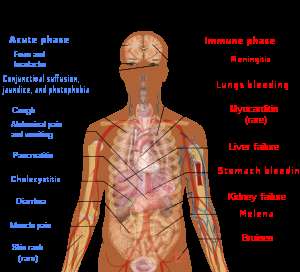
Anemia evaluation involves assessing various blood parameters that contribute significantly toward understanding potential deficiencies within the body impacting overall energy levels due to low red blood cell counts.
- Symptoms: Symptoms include fatigue weakness pallor dizziness which might indicate anemia depending upon severity experienced regularly by individuals affected; hence screening becomes vitally important regardless age groups involved!
- Causes: Deficiencies within vital nutrients such iron Vitamin B12 Folic acid could lead directly towards exhibiting anemic manifestations requiring timely intervention based intervention logic accordingly taken up must preceding action points!
GASTROESOPHAGEAL REFLUX DISEASE (GERD) MANAGEMENT
The management of Gastroesophageal Reflux Disease (GERD) focuses on alleviating symptoms such as heartburn and regurgitation caused by stomach acid flowing back into the esophagus.
- Symptoms: Common symptoms include persistent heartburn sensation after eating or lying down alongside difficulty swallowing.
- Causes: Contributing factors often include obesity or overweight status combined with dietary choices like spicy foods or caffeine consumption.
- Diagnosis: Physicians typically perform endoscopy procedures alongside patient symptom history evaluations before providing a definitive diagnosis.
- Treatment Options: Lifestyle changes alongside medications such as proton pump inhibitors help mitigate GERD effects overall substantially in many patients.
- What to Expect: When managed appropriately through medical guidance further complications arising from GERD can often be avoided successfully over time.
It’s essential always to address recurrent reflux symptoms promptly with healthcare professionals trained in treating these conditions effectively!
PULMONARY FUNCTION TESTING
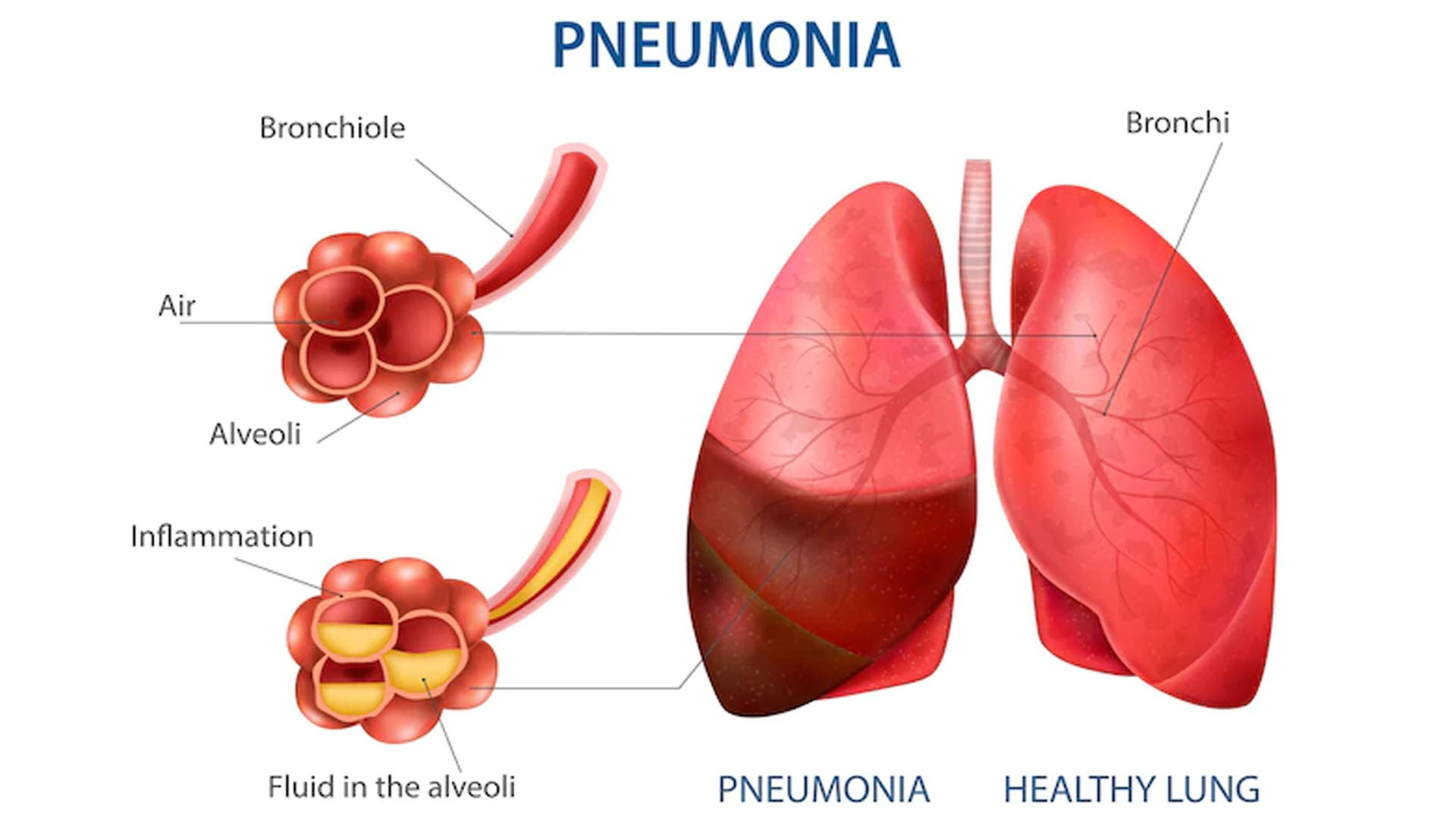
Pulmonary function tests (PFTs) evaluate lung capacity and airflow efficiency. These tests help diagnose respiratory conditions like asthma or COPD (Chronic Obstructive Pulmonary Disease).
- Symptoms: Symptoms of respiratory issues may include shortness of breath, chronic cough, wheezing, or chest tightness during exertion.
- Causes:Diseases leading to abnormal lung function include smoking history, environmental pollutants exposure, or allergic reactions affecting the airways.
CHOLESTEROL MANAGEMENT
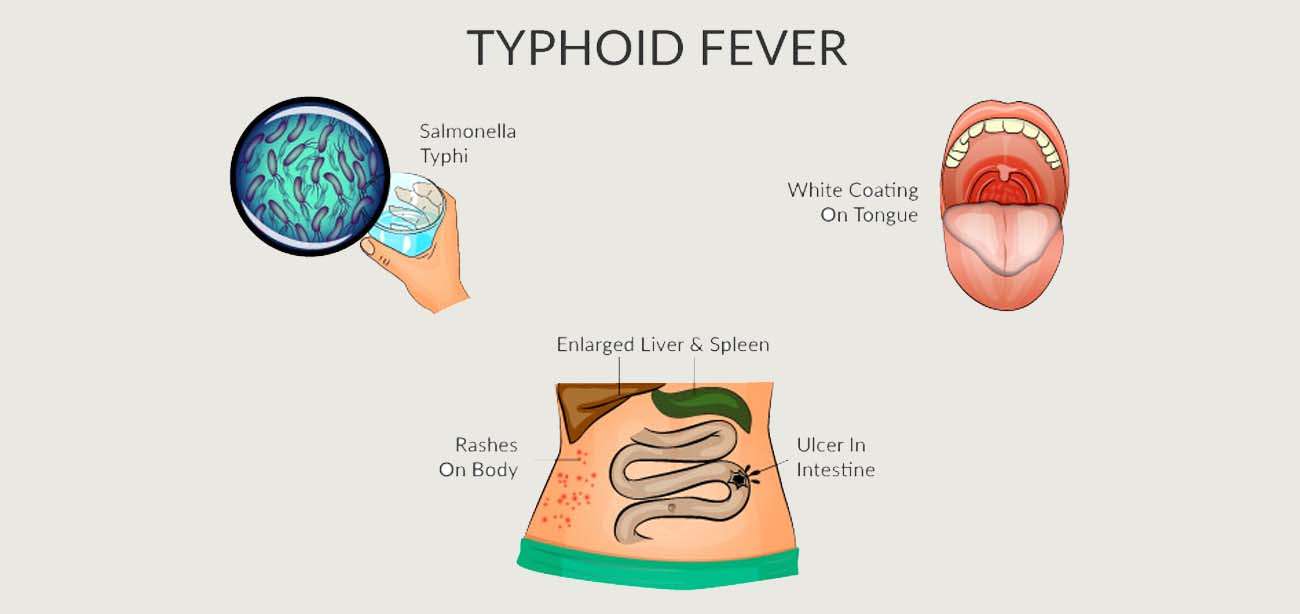
The management of cholesterol levels is essential for maintaining cardiovascular health. High cholesterol often contributes to plaque buildup in arteries, increasing heart disease risk.
- Symptoms: High cholesterol usually does not cause visible symptoms; it may only be revealed through blood testing during a routine check-up.
- Causes: Unhealthy diet rich in saturated fats, lack of physical activity, smoking habits, and genetic predisposition are key contributors.
- Diagnosis: Blood tests measuring total cholesterol levels are used. Levels above 200 mg/dL are considered high risk for heart disease.
- Treatment Options: Dietary adjustments combined with statin medications aim to lower bad cholesterol (LDL) while increasing good cholesterol (HDL).
- What to Expect: Regular follow-ups will help track progress in cholesterol levels through lifestyle changes or medication adherence.
Caring for your cholesterol proactively can greatly enhance your overall cardiovascular well-being.
DIABETES SCREENING
Screening for diabetes is vital in identifying and managing this chronic condition early. Diabetes can lead to serious health issues if not detected on time.
- Symptoms: Increased thirst, frequent urination, extreme fatigue, and blurred vision are common indicators of diabetes.
- Causes: Risk factors include family history, obesity, physical inactivity, and age.
- Diagnosis: Blood tests are conducted to measure glucose levels. Fasting plasma glucose tests and A1C tests are typical methods used for diagnosis.
- Treatment Options: Lifestyle modifications such as diet improvements and regular exercise combined with medication help manage the condition effectively.
- What to Expect: Early detection through screening can significantly improve health outcomes by preventing complications associated with poorly controlled diabetes.
A proactive approach towards diabetes screening can lead to better health management strategies.
HYPERTENSION MANAGEMENT
Hypertension, commonly known as high blood pressure, is a prevalent condition that can lead to serious health complications if left unmanaged. It often develops over many years and may not present noticeable symptoms initially.
- Symptoms: Most individuals with hypertension may be asymptomatic; however, some might experience headaches, dizziness, or nosebleeds.
- Causes: Factors include genetics, obesity, sedentary lifestyle, stressful environment, and excessive sodium intake.
- Diagnosis: Blood pressure readings are taken during routine check-ups. A reading of 130/80 mmHg or higher signifies hypertension.
- Treatment Options: Management may involve lifestyle changes like diet and exercise along with medications such as diuretics or ACE inhibitors.
- What to Expect: Regular monitoring is essential. With appropriate management, most people can effectively control their blood pressure and reduce related risks.
Understanding how to manage hypertension effectively is crucial for long-term heart health.