
Dr Vashishth Maniar
About Me
Dr Vashishth Maniar
Internal Medicine
Biography
My Clinic
OPD Hours
| Tuesday | Morning | 10:00 AM | - | 02:00 PM |
| Evening | 06:00 PM | - | 09:00 PM | |
| Wednesday | Morning | 10:00 AM | - | 02:00 PM |
| Evening | 06:00 PM | - | 09:00 PM | |
| Thursday | Morning | 10:00 AM | - | 02:00 PM |
| Evening | 06:00 PM | - | 09:00 PM | |
| Friday | Morning | 10:00 AM | - | 02:00 PM |
| Evening | 06:00 PM | - | 09:00 PM | |
| Saturday | Morning | 10:00 AM | - | 02:00 PM |
| Evening | 06:00 PM | - | 09:00 PM | |
| Sunday | Morning | 10:00 AM | - | 02:00 PM |
| Evening | 06:00 PM | - | 09:00 PM | |
| Thursday | Morning | 10:00 AM | - | 02:00 PM |
| Evening | 06:00 PM | - | 09:00 PM |
Treatments
Specialised care and treatments offered
CHRONIC OBSTRUCTIVE PULMONARY DISEASE (COPD)
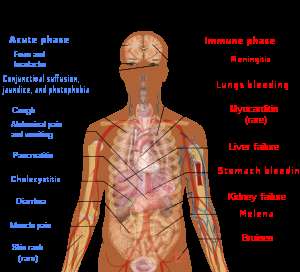
COPD encompasses various lung conditions that obstruct airflow breathing difficulties affecting quality-of-life significantly! Gaining knowledge aids effective management & intervention measures!'Symptoms: Chronic coughing',' sputum production',' wheezing ;or breathlessness during exertion.' ''Causes: Top contributors entail long-term exposure tobacco smoke',' pollutants,' fumes,' occupational exposure.' < span'>
ANEMIA
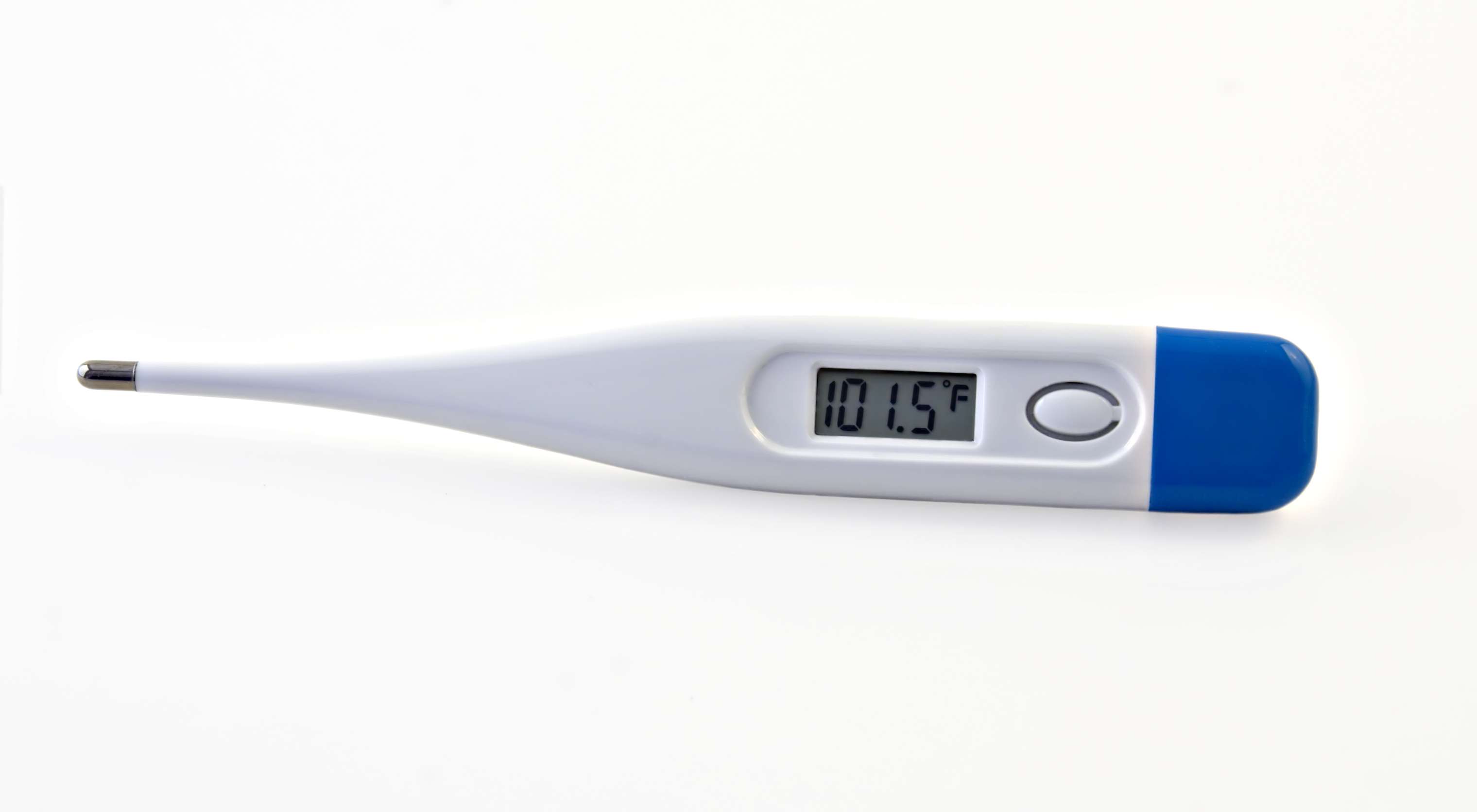
Anemia is a condition marked by a deficiency in red blood cells or hemoglobin. This results in insufficient oxygen transport throughout the body. Recognizing its implications is vital for maintaining overall health!
ACID REFLUX (GERD)
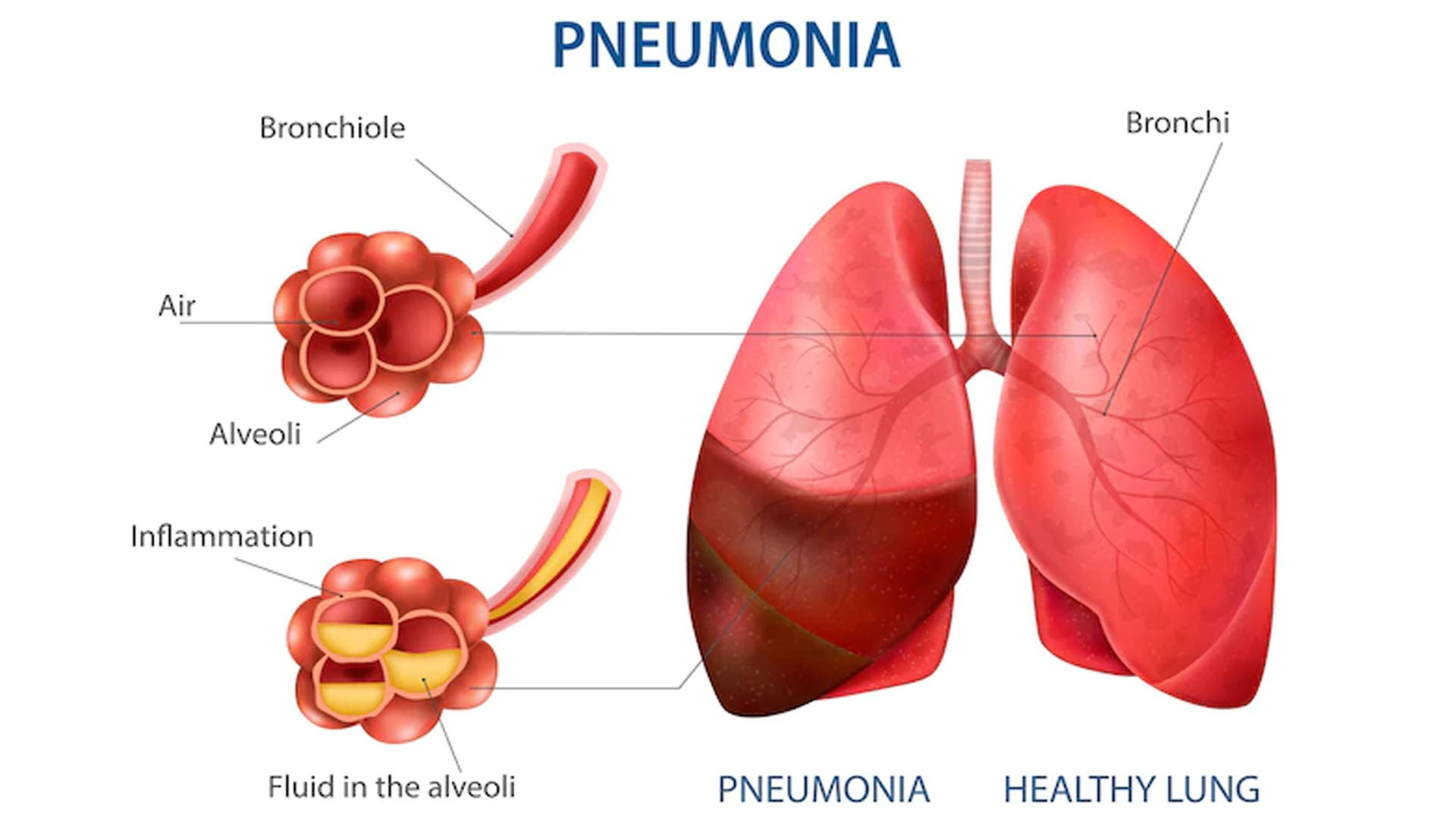
A common gastrointestinal disorder known as gastroesophageal reflux disease (GERD) occurs when stomach acid frequently flows back into the esophagus. Understanding GERD is crucial for effective symptom management
- Symptoms: Individuals commonly experience heartburn, regurgitation, difficulty swallowing, and chronic coughs due to acid reaching the throat. Causes: Factors contributing to GERD include obesity, pregnancy, smoking, certain dietary choices such as spicy foods or caffeine consumption.
- Diagnosis : Physicians typically diagnose GERD through patient symptom history along with tests like endoscopy if complications are suspected.
- Treatment options :Management strategies range from lifestyle modifications—such as elevating the head during sleep—to medications including antacids or proton pump inhibitors.
- What to expect :Regular consultations will allow healthcare providers to adjust treatment plans based on response over time.
With appropriate management approaches at hand patients can significantly minimize adverse effects associated with GERD.
HYPERLIPIDEMIA
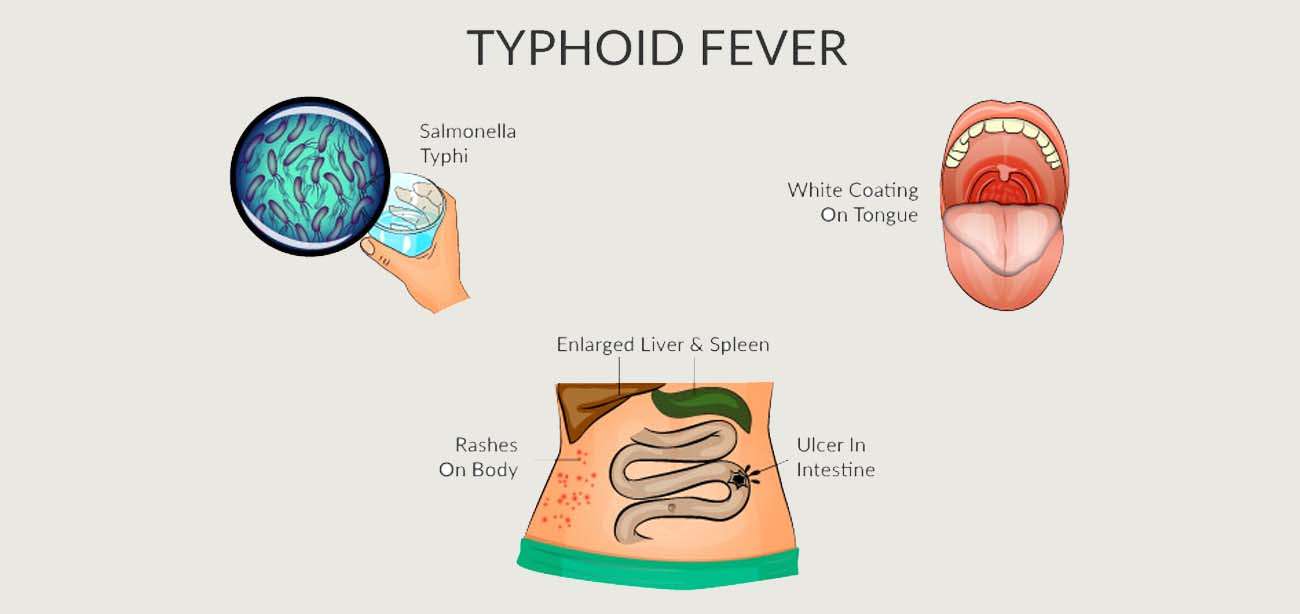
This condition refers to elevated levels of lipids in the bloodstream, which can increase the risk for cardiovascular disease. Understanding hyperlipidemia is essential for proactive health management
- Symptoms: This condition usually does not present with obvious symptoms but may result in chest pain or xanthomas in severe cases.
- Causes: Contributing factors include genetics, poor diet high in saturated fats, sedentary lifestyle, and certain medical conditions such as hypothyroidism.
- Diagnosis: A lipid panel blood test measures total cholesterol levels along with LDL (bad) and HDL (good) cholesterol.
- Treatment options: Lifestyle modifications such as adopting a heart-healthy diet and increasing physical activity are key strategies; medications like statins may also be prescribed for more severe cases.
- What to expect: Regular follow-up appointments will help monitor lipid levels and assess the effectiveness of any prescribed treatment plans.
The goal is to achieve optimal lipid levels to reduce cardiovascular risks effectively.
DIABETES MELLITUS
Diabetes mellitus encompasses a group of metabolic disorders characterized by elevated blood sugar levels. Understanding this condition is crucial for managing your health and preventing complications.
- Symptoms: Common signs include increased thirst, frequent urination, extreme fatigue, and blurred vision.
- Causes: Type 1 diabetes results from an autoimmune destruction of insulin-producing cells; Type 2 diabetes often stems from insulin resistance linked to obesity and inactivity.
- Diagnosis: Blood tests measuring glucose levels after fasting or an oral glucose tolerance test are standard methods for diagnosing diabetes.
- Treatment options: Management includes lifestyle modifications such as diet control and exercise coupled with medications or insulin therapy as necessary.
- What to expect: Continuous monitoring of blood glucose levels will play a vital role in effectively managing your condition over the long term.
A comprehensive care plan helps prevent complications related to diabetes while enhancing overall quality of life.
HYPERTENSION
Hypertension, or high blood pressure, is a common condition that can lead to serious health issues if left untreated. It is often referred to as the 'silent killer' because it may not present symptoms until significant damage has occurred.
- Symptoms: Many individuals may experience no noticeable symptoms. However, some may have headaches, shortness of breath, or nosebleeds.
- Causes: Factors include genetics, obesity, lack of physical activity, excessive salt intake, and chronic stress.
- Diagnosis: Blood pressure readings are typically taken using a sphygmomanometer. A reading consistently above 130/80 mm Hg indicates hypertension.
- Treatment options: Management often involves lifestyle changes such as diet and exercise and may include medications like diuretics or ACE inhibitors.
- What to expect: Regular monitoring of blood pressure will be necessary to ensure that treatment is effective and adjustments can be made as needed.
Effective management of hypertension can significantly reduce your risk of heart attack and stroke.