
Dr Ved Prakash G
About Me
Dr Ved Prakash G
MBBS
General Physician
Biography
My Clinic
OPD Hours
| Monday | Morning | 10:00 AM | - | 02:00 PM |
| Evening | 06:00 PM | - | 09:00 PM | |
| Tuesday | Morning | 10:00 AM | - | 02:00 PM |
| Evening | 06:00 PM | - | 09:00 PM | |
| Wednesday | Morning | 10:00 AM | - | 02:00 PM |
| Evening | 06:00 PM | - | 09:00 PM | |
| Thursday | Morning | 10:00 AM | - | 02:00 PM |
| Evening | 06:00 PM | - | 09:00 PM | |
| Friday | Morning | 10:00 AM | - | 02:00 PM |
| Evening | 06:00 PM | - | 09:00 PM | |
| Saturday | Morning | 10:00 AM | - | 02:00 PM |
| Evening | 06:00 PM | - | 09:00 PM | |
| Sunday | Morning | 10:00 AM | - | 02:00 PM |
| Evening | 06:00 PM | - | 09:00 PM |
Treatments
Specialised care and treatments offered
WEIGHT MANAGEMENT COUNSELING
Maintaining a healthy weight is integral for preventing various chronic conditions. Comprehensive support from healthcare professionals plays an essential role in achieving sustainable weight loss or maintenance goals tailored specifically for patient needs.
- Unintentional weight gain might signal underlying conditions; common factors affecting it include poor diet choices leading towards obesity-related issues alongside inactivity patterns observed regularly within daily routines .
- Initial assessments often involve documented history evaluations focusing heavily around patient lifestyles coupled alongside baseline measurements recorded during evaluations helping identify challenges affecting weight directly .
- Treatment options broadly encompass dietary modifications featuring balanced nutrition plans guiding calorific intake alongside implementing regular exercise geared towards increasing metabolic rates collectively promoting fat loss sustainably across broader periods .
- Individuals participating are encouraged actively engaging throughout sessions fostering accountability enhancing personal motivations creating positive behavior changes collectively amongst peers strengthening resolutions further driving success stories witnessed widely improving self-esteem along recovery journeys embarked upon .
The goal revolves around lifting confidence leading towards healthier lifestyles fully embraced culminating eventually empowering individuals toward attaining their desired objectives surrounding optimal weights enjoyed indefinitely throughout their lives enriching overall happiness experiences realized daily.
GASTROESOPHAGEAL REFLUX DISEASE (GERD)

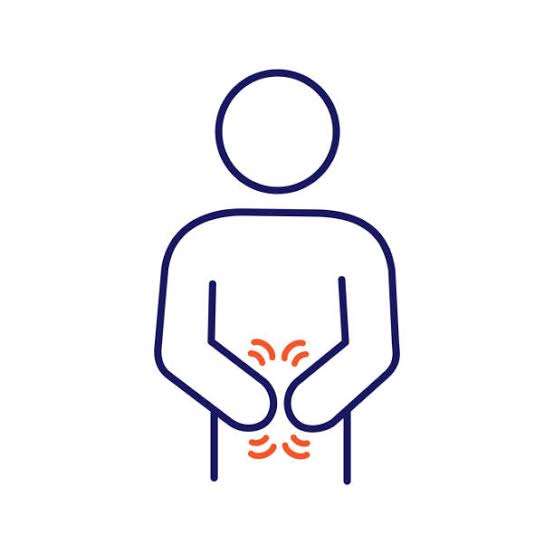
GERD is a digestive disorder characterized by acid reflux that causes persistent heartburn and discomfort. Understanding its implications is essential for effective management strategies that improve quality of life.
- Common symptoms include heartburn after meals, regurgitation of food or sour liquid, difficulty swallowing, and chronic cough.
- Diagnosis usually requires a thorough clinical evaluation along with endoscopy procedures in some cases for visual outlook on esophageal health.
- Treatment primarily involves lifestyle modifications such as avoiding trigger foods (like spicy dishes), eating smaller meals frequently throughout the day might be beneficial; weight loss too is emphasized where needed.
- Medications such as antacids or proton pump inhibitors may prove effective at alleviating severe symptoms when necessary by managing acid production throughout digestion.
Your healthcare professional will guide you through personalized management plans based on symptom severity ensuring improved digestive well-being over time regardless of GERD challenges faced.
SEASONAL ALLERGIES

Seasonal allergies affect many individuals and can significantly impact daily activities. They arise from external allergens like pollen during specific seasons causing an exaggerated response from the immune system.
- Main symptoms include sneezing, runny nose, itchy eyes, and sinus headaches caused by exposure to allergens in the environment.
- A healthcare provider typically diagnoses these allergies through clinical history evaluation and possible allergy testing if required.
- Treatment often involves avoiding known triggers while using over-the-counter antihistamines or nasal corticosteroids for symptomatic relief.
- Lifestyle adaptations like using air purifiers indoors can drastically improve comfort during peak allergy seasons while maintaining good hygiene practices helps minimize exposure.
Effectively managing seasonal allergies can enhance quality of life significantly during allergy seasons while allowing you more enjoyment in outdoor activities without discomfort.
CHOLESTEROL MANAGEMENT
High cholesterol is a significant risk factor for cardiovascular diseases. Understanding how it affects your health is crucial for preventive measures and treatment options available.
- This condition typically has no overt symptoms but can lead to severe conditions like heart attacks or strokes over time.
- A standard blood test, known as a lipid panel, is used to diagnose your cholesterol levels effectively.
- Lifestyle modifications including healthy dietary choices rich in fiber and regular physical activity are key strategies for management.
- If lifestyle changes alone are insufficient, medication like statins may be recommended by your general physician.
- Your progress will be monitored regularly through follow-up consultations to ensure effective management of cholesterol levels over time.
Taking charge of your cholesterol not only promotes heart health but also enhances overall well-being by reducing potential risks associated with elevated cholesterol levels.
DIABETES MANAGEMENT

Managing diabetes effectively is vital for maintaining overall health. This chronic condition affects how your body processes glucose and can lead to various complications if not properly controlled.
- Symptoms may include increased thirst, frequent urination, fatigue, and blurred vision.
- Diagnosis generally involves blood tests that measure glucose levels in the body.
- Treatment focuses on a combination of dietary changes, regular exercise, and monitoring blood sugar levels routinely.
- If necessary, medications such as insulin or oral hypoglycemics may be prescribed to help manage insulin resistance or deficiency.
- You will need to engage in continual education on managing your condition through lifestyle adjustments for better long-term outcomes.
A proactive approach ensures that diabetes can be managed effectively, minimizing the risk of complications.
HYPERTENSION MANAGEMENT
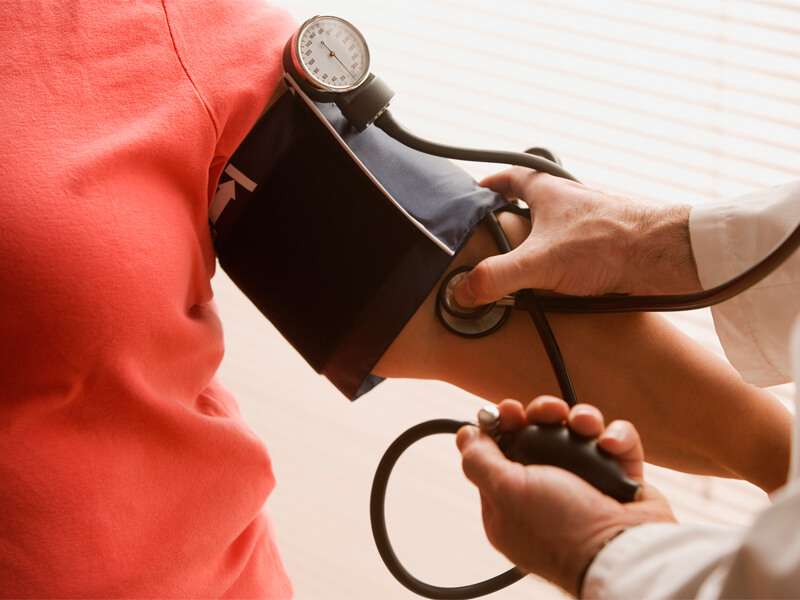
Hypertension, commonly known as high blood pressure, is a chronic condition that can lead to serious health complications if left unmanaged. It often develops over many years and may not present noticeable symptoms, making regular monitoring crucial.
- The majority of individuals with hypertension experience no symptoms, but some might notice headaches or dizziness.
- Diagnosis typically involves blood pressure readings taken during routine health check-ups.
- Management includes lifestyle changes such as a balanced diet low in sodium, regular physical activity, and weight management.
- In some cases, medications such as diuretics or ACE inhibitors may be prescribed to help control blood pressure levels.
- Expect to have follow-up appointments for proper monitoring and adjustments in treatment as needed.
A consistent approach to managing hypertension can greatly reduce the risk of heart disease and stroke, allowing for a healthier life.