
Dr Ved Prakash S
About Me
Dr Ved Prakash S
MBBS
General Physician
10 Years Experience
Biography
My Clinic
OPD Hours
| Monday | Morning | 10:00 AM | - | 02:00 PM |
| Evening | 06:00 PM | - | 09:00 PM | |
| Tuesday | Morning | 10:00 AM | - | 02:00 PM |
| Evening | 06:00 PM | - | 09:00 PM | |
| Wednesday | Morning | 10:00 AM | - | 02:00 PM |
| Evening | 06:00 PM | - | 09:00 PM | |
| Thursday | Morning | 10:00 AM | - | 02:00 PM |
| Evening | 06:00 PM | - | 09:00 PM | |
| Friday | Morning | 10:00 AM | - | 02:00 PM |
| Evening | 06:00 PM | - | 09:00 PM | |
| Saturday | Morning | 10:00 AM | - | 02:00 PM |
| Evening | 06:00 PM | - | 09:00 PM | |
| Sunday | Morning | 10:00 AM | - | 02:00 PM |
| Evening | 06:00 PM | - | 09:00 PM |
Treatments
Specialised care and treatments offered
ALLERGIC REACTIONS

An allergic reaction happens when the immune system reacts abnormally to substances called allergens. These reactions can vary from mild skin irritations to severe life-threatening conditions requiring urgent care. Understanding your triggers plays a crucial role in managing allergies effectively!
- Symptoms: Itching , hives , swelling , difficulty breathing even anaphylaxis - which necessitates rapid response !
- Diagnosis: A detailed patient history helps identify possible allergens ; skin tests & blood work gauge sensitivity levels accurately .
- Treatment: Medication options range from antihistamines for symptom relief seeking epinephrine injection accessfully aids those experiencing anaphylatic events .
- What To Expect: Identifying avoids trigger exposure mitigates future occurrences while advocating awareness amongst family members enhances safety net against potential emergencies too!
The proactive approach towards managing allergic reactions empowers individuals leading fulfilling lives keeping them safeguarded against unforeseen threats posed by allergies !
PNEUMONIA

Pneumonia is a lung infection that inflates the air sacs with fluid or pus leading to breathing difficulties. This potentially life-threatening illness varies greatly in severity based on age and underlying health conditions but deserves prompt medical evaluation if suspected
GASTROENTERITIS

This inflammation of the stomach and intestines leads to symptoms such as vomiting and diarrhea. Gastroenteritis most often results from viral infections but can also stem from bacterial causes or food poisoning experiences.
- Symptoms: Common indicators include abdominal cramps, nausea, vomiting, diarrhea, and sometimes fever.
- Diagnosis: A thorough medical history and symptom assessment guide diagnosis; stool tests may clarify specific pathogens involved in cases suspected of being viral or bacterial in origin.
- Treatment: Hydration is critical; oral rehydration solutions help replace lost fluids. In some instances where bacteria are involved, antibiotic treatment might be indicated.
- What to Expect: Recovery typically occurs within a few days; however persistent dehydration should prompt immediate medical attention.
Avoiding contaminated food or water sources is key in preventing future incidences of gastroenteritis outbreaks among communities!
DIABETES MANAGEMENT
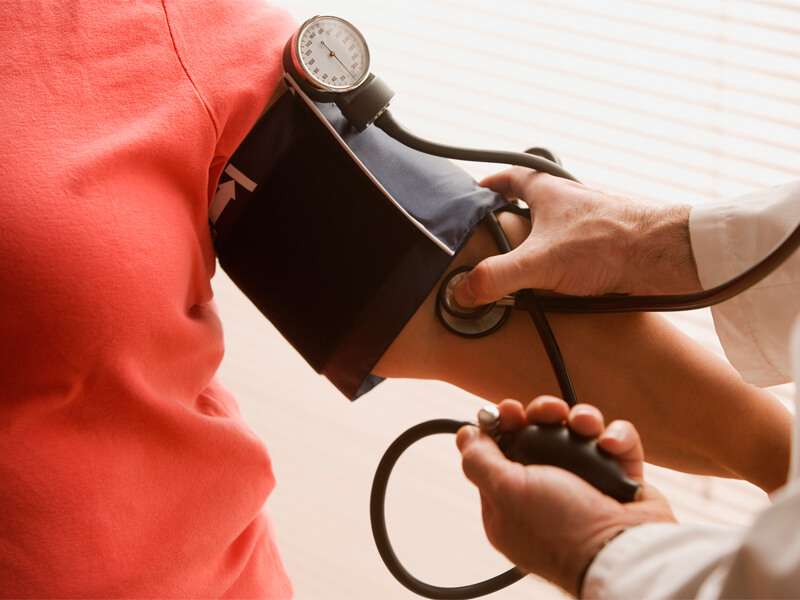
The management of diabetes involves monitoring blood sugar levels to prevent both short-term crises and long-term complications. This chronic condition requires lifelong attention but can be managed effectively with proper education.
- Symptoms: Increased thirst, frequent urination, fatigue, blurred vision are common early signs of diabetes.
- Diagnosis: Blood tests measuring glucose levels help determine if a person has diabetes or prediabetes.
- Treatment: Lifestyle modifications including diet changes and physical activity are essential; medications or insulin therapy may also be necessary for some patients.
- What to Expect: With ongoing management efforts, individuals can lead active lives while minimizing the risk of complications such as heart disease or neuropathy.
A comprehensive approach involving regular monitoring fosters better control over blood sugar levels in diabetic patients.
ACUTE RESPIRATORY INFECTION
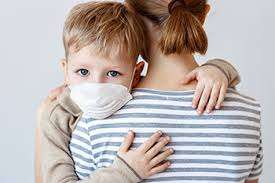
An acute respiratory infection (ARI) affects the airways and lungs, causing symptoms that can range from mild to severe. Commonly caused by viruses or bacteria, ARIs require prompt attention for effective management.
- Symptoms: Coughing, sore throat, nasal congestion, fever, and fatigue are common signs of an ARI.
- Diagnosis: Healthcare providers assess symptoms and may conduct throat swabs or chest X-rays if bacterial infection is suspected.
- Treatment: Most cases are viral and self-limiting; however, antibiotics may be prescribed for bacterial infections alongside supportive care such as rest and hydration.
- What to Expect: Patients usually recover within a week but should monitor symptoms closely as complications can arise.
If you experience worsening symptoms or difficulty breathing, seek medical attention promptly.
HYPERTENSION

Hypertension, commonly referred to as high blood pressure, is a serious condition that can lead to significant health issues. It often goes unnoticed due to its asymptomatic nature but can cause damage over time.
- Symptoms: Hypertension typically does not present symptoms, but headaches, dizziness, and nosebleeds may occur in severe cases.
- Diagnosis: Blood pressure is measured using a sphygmomanometer. Regular checks are crucial for early detection.
- Treatment: Management options include lifestyle changes such as diet and exercise, along with medications like diuretics and ACE inhibitors.
- What to Expect: With proper management, individuals can maintain normal blood pressure levels and reduce the risk of complications like heart disease and stroke.
Regular monitoring and adherence to treatment plans can significantly improve outcomes for those living with hypertension.