
Dr Vibha Chaturve
About Me
Dr Vibha Chaturve
MD
Dermatologist
10 Years Experience
Biography
My Clinic
OPD Hours
| Monday | Morning | 10:00 AM | - | 02:00 PM |
| Evening | 06:00 PM | - | 09:00 PM | |
| Tuesday | Morning | 10:00 AM | - | 02:00 PM |
| Evening | 06:00 PM | - | 09:00 PM | |
| Wednesday | Morning | 10:00 AM | - | 02:00 PM |
| Evening | 06:00 PM | - | 09:00 PM | |
| Thursday | Morning | 10:00 AM | - | 02:00 PM |
| Evening | 06:00 PM | - | 09:00 PM | |
| Friday | Morning | 10:00 AM | - | 02:00 PM |
| Evening | 06:00 PM | - | 09:00 PM | |
| Saturday | Morning | 10:00 AM | - | 02:00 PM |
| Evening | 06:00 PM | - | 09:00 PM | |
| Sunday | Morning | 10:00 AM | - | 02:00 PM |
| Evening | 06:00 PM | - | 09:00 PM |
Treatments
Specialised care and treatments offered
HYPERPIGMENTATION
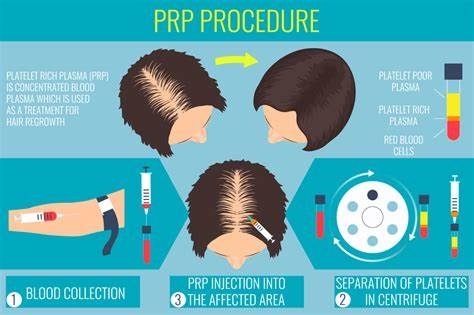
This common skin issue leads to dark patches appearing due to excess melanin production from various causes including sun exposure or hormonal changes. It tends predominantly affect face neck backs , etc ., leading people seeking correction solutions!
WARTS
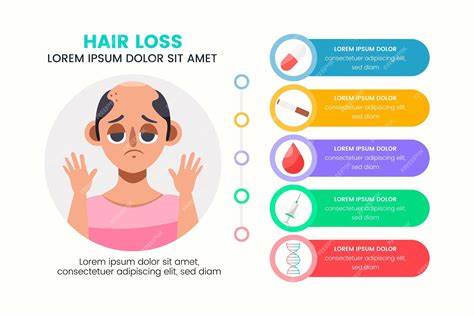
A wart is a small growth caused by a viral infection in the outer layer of skin. They often appear raised with a rough surface texture and can occur anywhere on the body but are most common on hands and feet.
- Symptoms : Warts show up as rough bumps that vary in color from flesh-toned to dark brown. They may sometimes cause pain if located on weight-bearing areas like soles .
- Causes : Human papillomavirus (HPV) infects the skin around broken areas imparting warts upon contact exposure frequently among children/adolescents .
- Diagnosis : Diagnosis involves visual assessment where dermatologists identify distinct characteristics distinguishing warts from other conditions .
- Treatment options : Treatments comprise topical remedies including salicylic acid applications ; cryotherapy employing freezing techniques ; laser removal might also become necessary depending upon severity / persistence level too !
- What to expect :: Though many warts resolve spontaneously within months without intervention , some might require several approaches before elimination becomes evident!
The positive aspect about warts is they are generally harmless unless left unattended – hence proactive treatment recommendation promotes confidence restoration!
ROSACEA
This chronic skin condition primarily causes facial redness along with visible blood vessels. Rosacea typically manifests in cycles of flare-ups followed by periods of calm skin.
- Symptoms: Symptoms include persistent redness on the face along with bumps resembling acne rash which may burn or sting upon contact.
- Causes: Although the exact cause remains unclear, factors such as temperature extremes, spicy foods, alcohol consumption or emotional stressors could trigger episodes.
- Diagnosis : A dermatologist evaluates symptoms visually before arriving at a diagnosis based on their characteristics .
- Treatment options : Topical agents , oral antibiotics , laser therapy , avoiding triggers , and using gentle skincare products are effective management techniques .
- What to expect : With appropriate treatment plans , patients often experience reduced flushing , fewer breakouts , leading towards manageable symptoms over time .
Lifestyle adjustments play an important role in managing rosacea effectively . Consistent care enhances symptom control dramatically .
PSORIASIS
This chronic autoimmune condition leads to the rapid growth of skin cells resulting in thickened patches covered with scales. Psoriasis commonly affects areas such as elbows, knees, and the scalp.
- Symptoms: Symptoms include red patches covered with thick silvery scales that may itch or burn.
- Causes: Triggers can vary but often involve genetic factors alongside environmental influences like stress or infection.
- Diagnosis: A dermatologist diagnoses psoriasis through examining the affected areas along with assessing the patient's medical history.
- Treatment options: Treatment includes topical therapies such as corticosteroid creams or vitamin D analogues; systemic treatments may also be considered in severe cases.
- What to expect: While psoriasis is not curable, effective management can reduce flare-ups significantly through continued adherence to treatment plans.
A proactive approach helps manage this condition effectively. Regular check-ins with your healthcare provider are essential for maintaining control over your symptoms.
ECZEMA
Eczema is an inflammatory skin condition that leads to red, itchy patches on the skin. It can significantly disrupt daily life due to discomfort and visible symptoms.
- Symptoms: Commonly presents as dry, inflamed patches that may ooze or crust over time.
- Causes: Allergens, irritants, genetic predisposition, and environmental factors often trigger eczema flare-ups.
- Diagnosis: Diagnosis is usually based on clinical evaluation and history of symptoms.
- Treatment options: Management strategies include moisturizing ointments, corticosteroids for inflammation control, lifestyle alterations like avoiding known triggers, and antihistamines for itching relief.
- What to expect: While eczema can be chronic with periods of remission and flare-ups, proper management can lead to significant improvement in quality of life.
A comprehensive skincare routine is pivotal for keeping eczema under control. Regular follow-ups with a dermatologist are advisable for optimal management.
ACNE
Acne is a common skin condition that affects individuals of all ages, characterized by the presence of pimples, blackheads, and cysts on the skin. It primarily occurs when hair follicles become clogged with oil and dead skin cells.
- Symptoms: Acne can manifest as various types of lesions, including pustules and nodules.
- Causes: Factors such as hormonal changes, stress, diet, and genetics may contribute to its development.
- Diagnosis: Dermatologists typically diagnose acne through a physical examination and patient history.
- Treatment options: Management includes topical treatments like benzoyl peroxide and retinoids, oral medications such as antibiotics or hormonal treatments, and lifestyle changes.
- What to expect: With proper care, improvement in acne can usually be seen within a few weeks; however, ongoing management may be necessary.
Understanding your acne triggers can significantly enhance treatment effectiveness. Consult a dermatologist for personalized strategies.